
Project
Women’s Climate Resilience in Yumbe
Strengthening the capacity of refugees and IDPs in agriculture, food security and climate action
- Yumbe, Uganda
- With Foundation S, The Sanofi Collective
About the project
Before the work began, we spoke with 100 women in Yumbe about the way climate pressure was changing their lives. Many were spending around four hours a day collecting water. Some travelled as far as 24 kilometres in search of firewood. Eighty-one per cent had experienced crop failure, and 63 per cent reported having withdrawn a child from school at some point because the household could not meet the cost.
Those answers changed the shape of the project. This could not be a farming course alone.
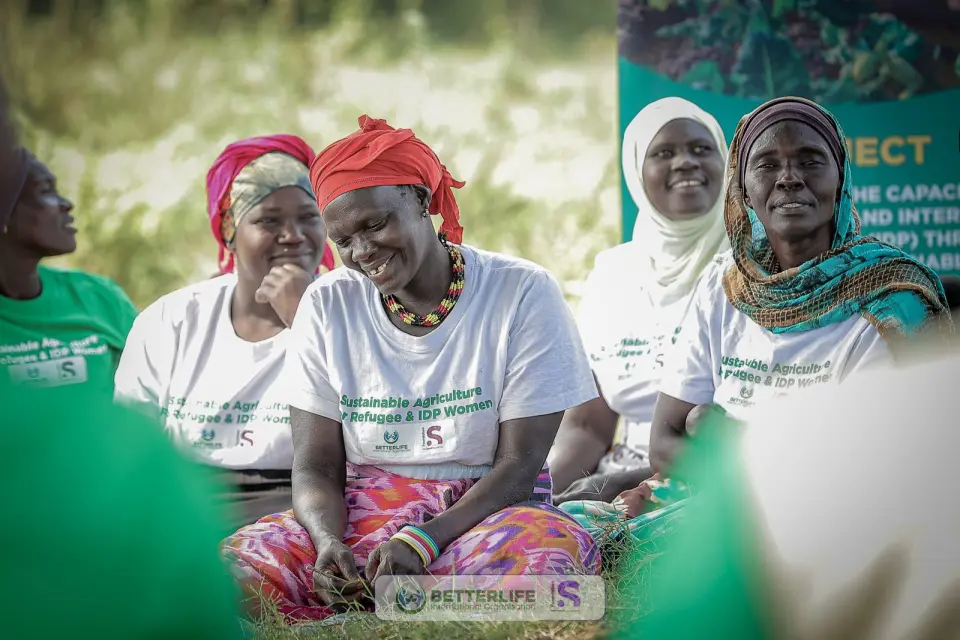
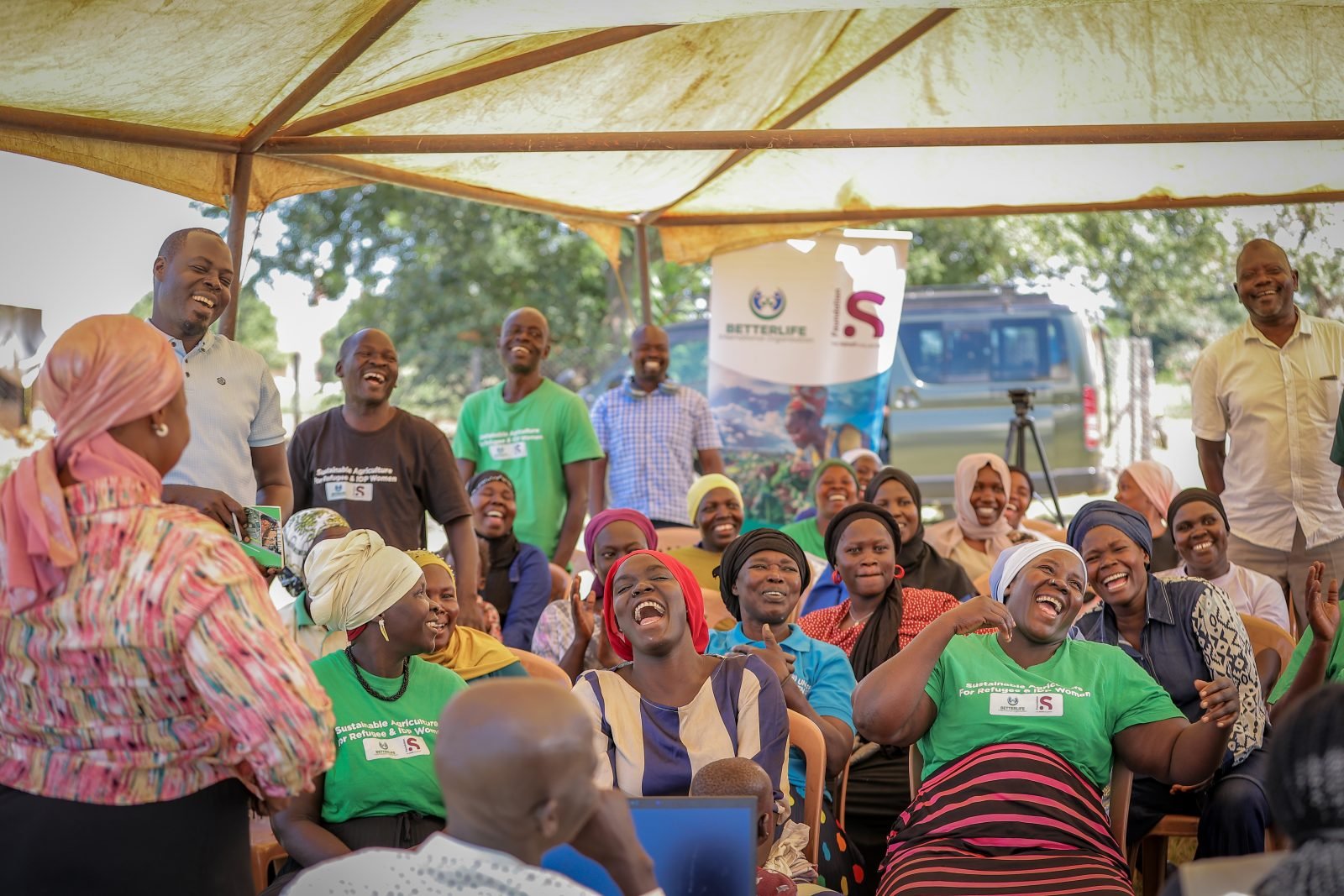
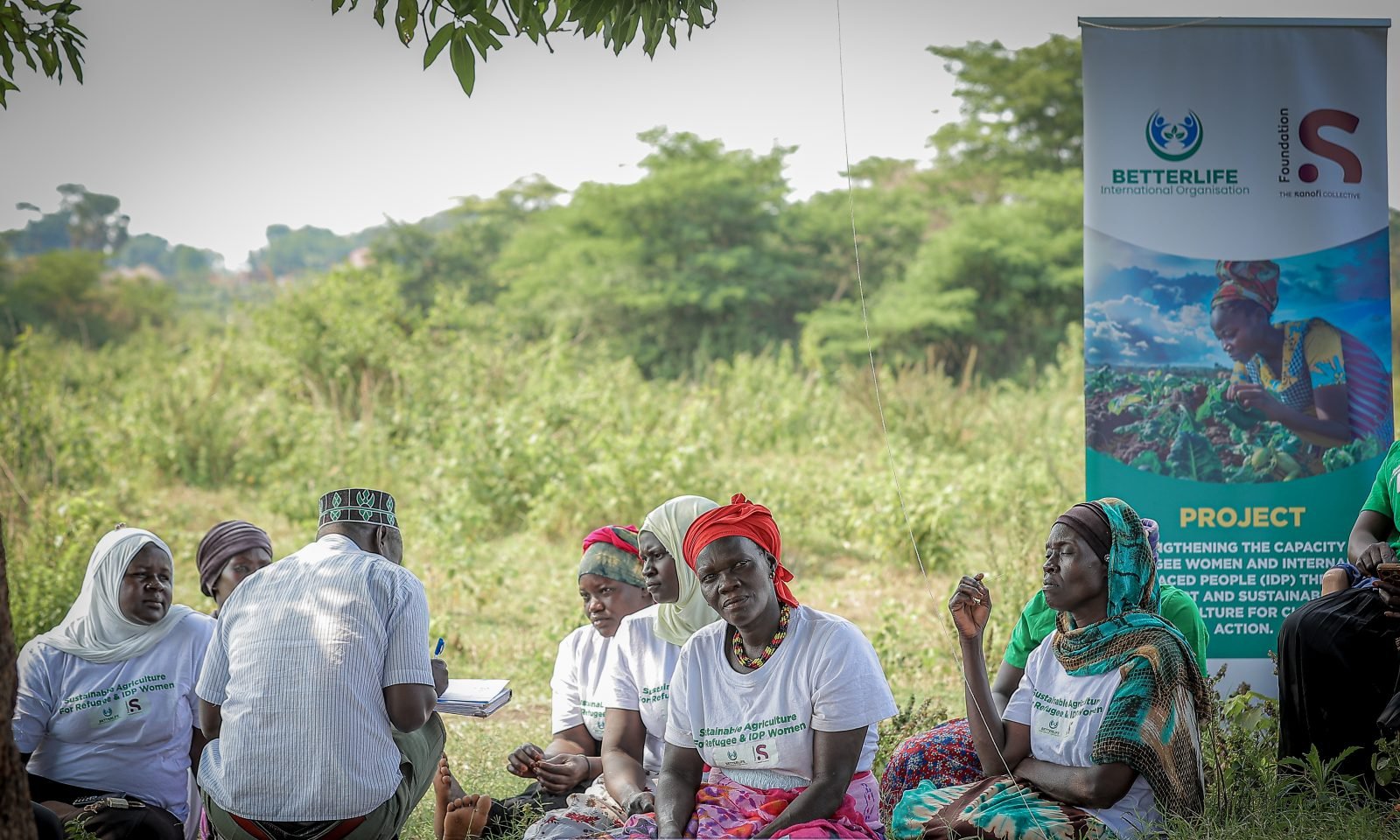
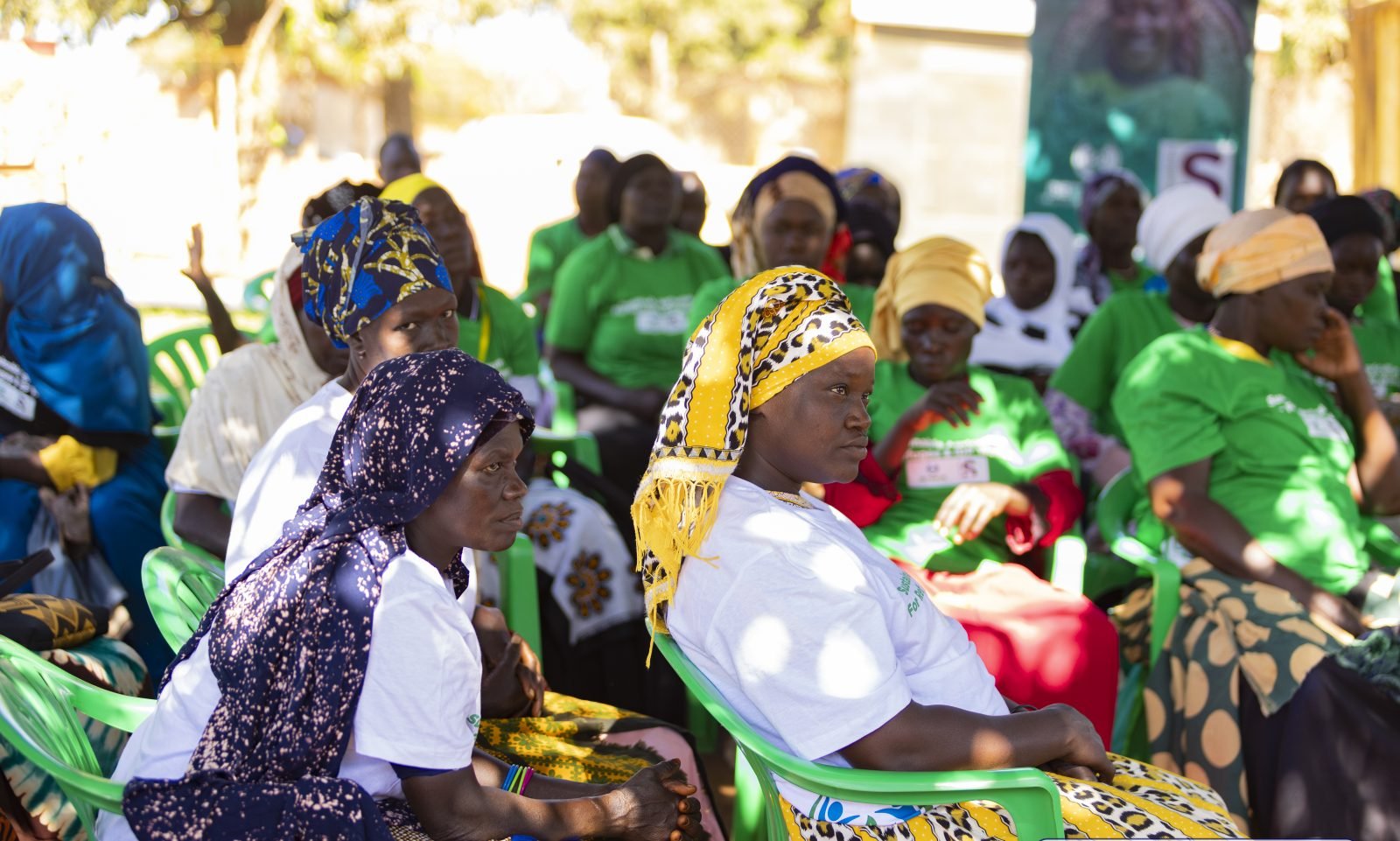
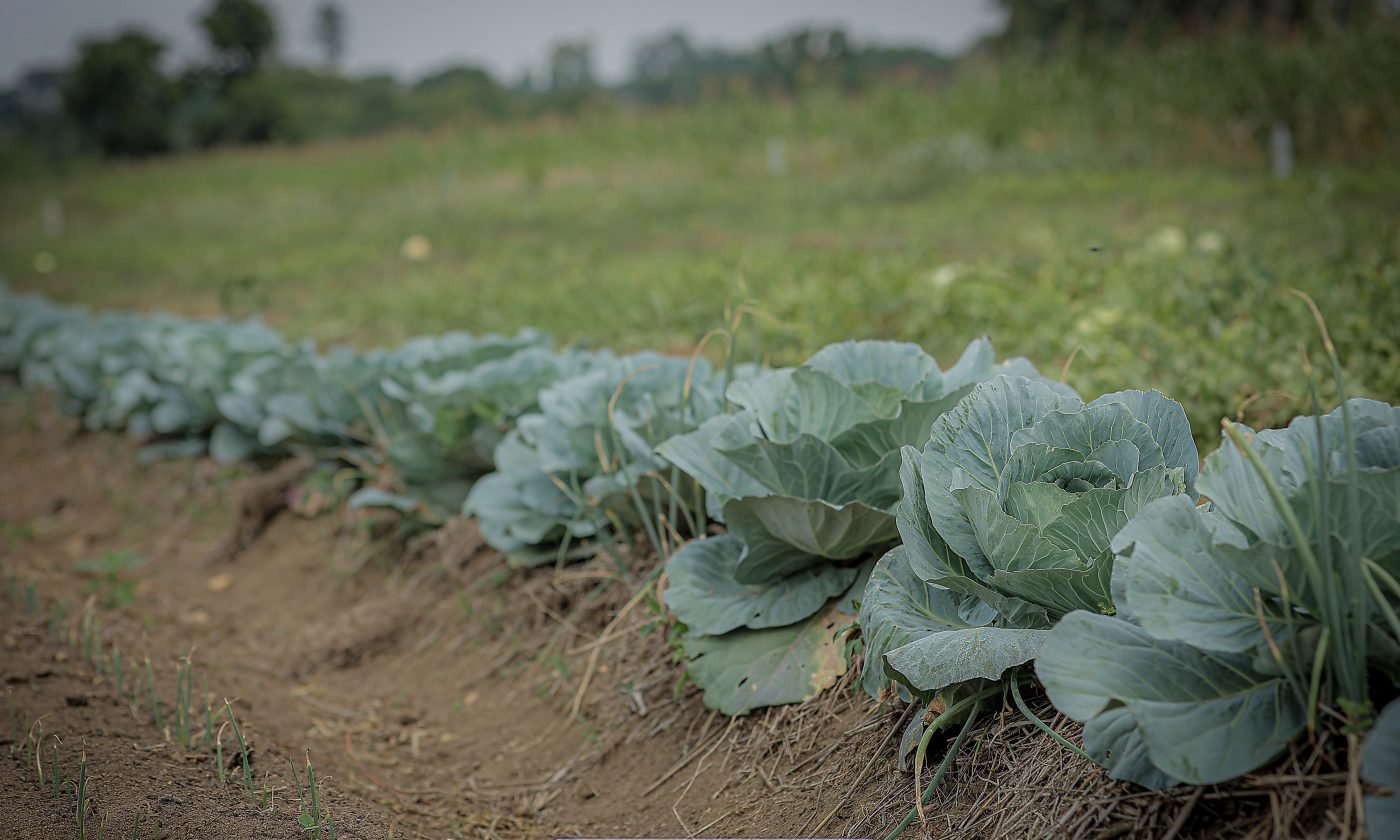
BetterLife worked with refugee, displaced and host-community women through local-language training and gardens where they could see each practice working. The women learnt composting, mulching, sack and box gardening, trellising, drought-tolerant crops, agroforestry and briquette-making. They received seedlings and support to use simple digital tools for soil and market information.
Among the 72 women who completed structured training, knowledge of climate-smart agriculture rose from 22 per cent to 92 per cent. Seventy-two per cent adopted sack or box gardening, 63 per cent took up composting, 54 per cent used mulching and 57 per cent introduced drought-tolerant crops. Participating households reported an average 35 per cent reduction in spending on vegetables as home production improved.
The figures matter, but so did the way the change happened. Women learnt in groups, saw the methods before risking their own resources and could return with questions after trying them at home. Confidence grew alongside knowledge.
Our first step towards sustainable change
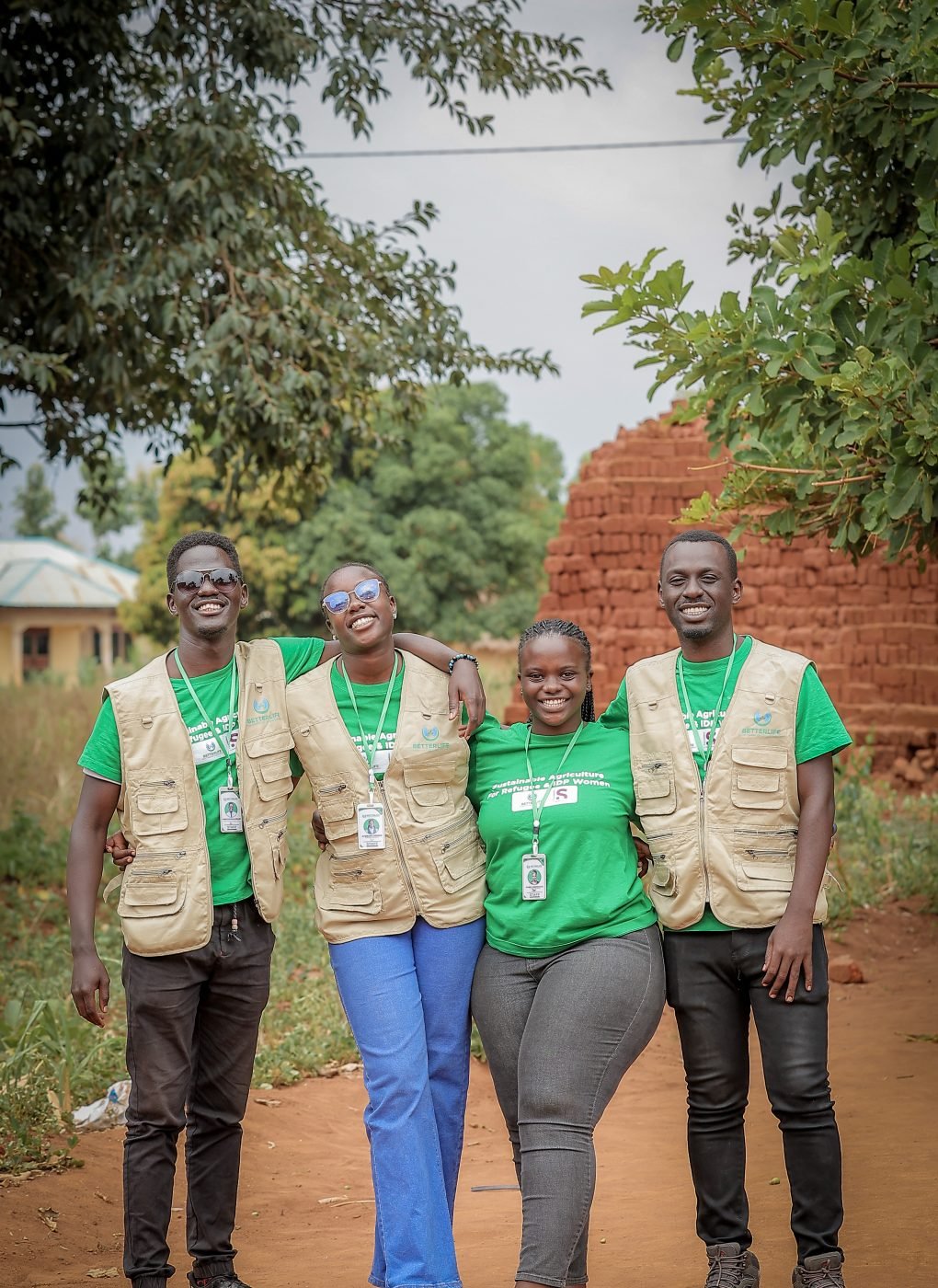
A film from Yumbe: the women, local leaders and BetterLife team behind the programme, at their farms, groups and training sessions. 8 minutes, with sound.
What the project recorded
- 22% → 92% Knowledge of climate-smart agriculture Among the 72 women who completed structured training
- 72% Adopted sack or box gardening Women in the programme, reported after training
- 63% Took up composting Women in the programme, reported after training
- 35% Average reduction in household spending on vegetables Reported by participating households
These figures describe Women’s Climate Resilience in Yumbe only, for the group named with each one. Fuller reporting is available in our impact reports.
From the project
Related work, stories and reports
More in Food Security and Climate-Resilient Agriculture
Support Women’s Climate Resilience in Yumbe
Help more families grow food through a dry season: fund demonstration gardens, seedlings and irrigation, or share agronomy expertise.