We ask what changed, not only what was delivered.
BetterLife tracks whether people are using what they learnt, whether families are growing more food, whether incomes are becoming more stable and whether communities are better placed to face the next shock.
 27,400Green Libraries, Eco Labs and 20 Plastic Banks
 37,550BetterLife Agro Tourism Farm founded
 68,5009,600+ farmers trained at demonstration farms
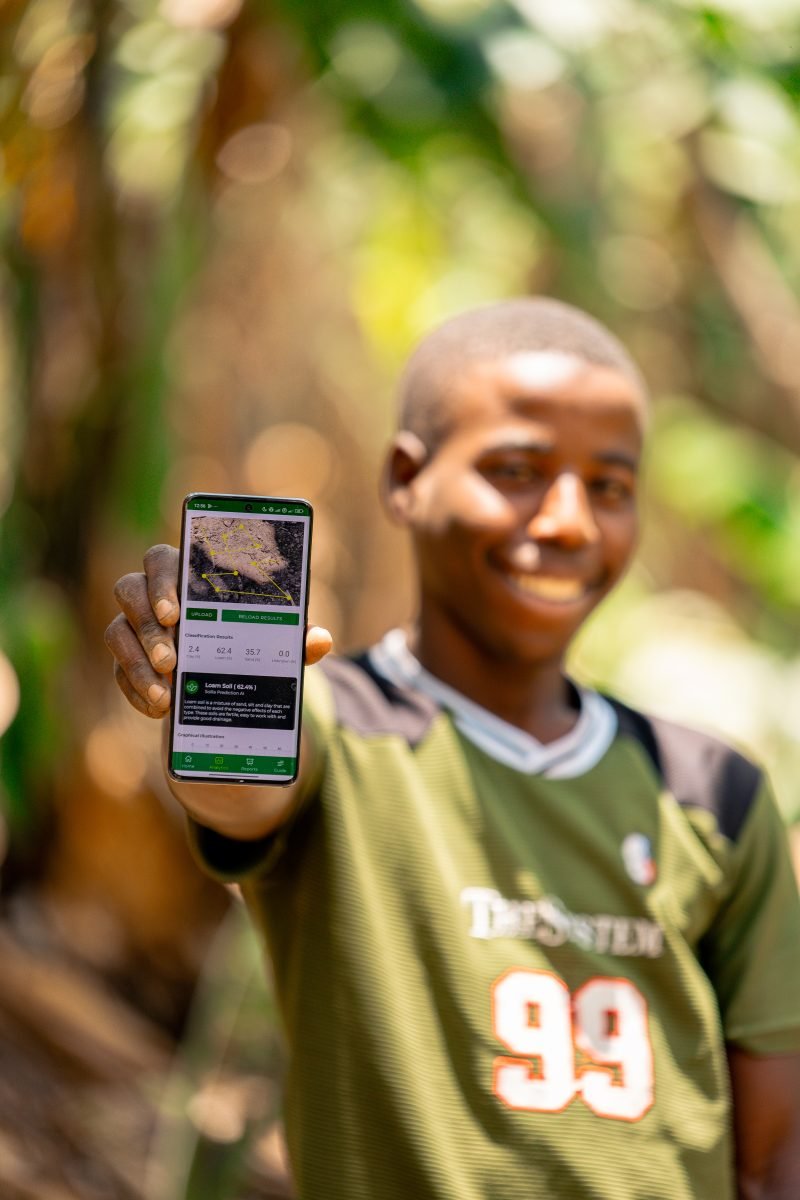 112,43018,900 farmers on Soilla
- 202227,400Green Libraries, Eco Labs and 20 Plastic Banks
- 202337,550BetterLife Agro Tourism Farm founded
- 202468,5009,600+ farmers trained at demonstration farms
- 2025112,43018,900 farmers on Soilla
Each year is counted on its own, so the years are not added together.
What happens after the training ends?
We track four things. Here is what two of our programmes found when they asked.
-
01
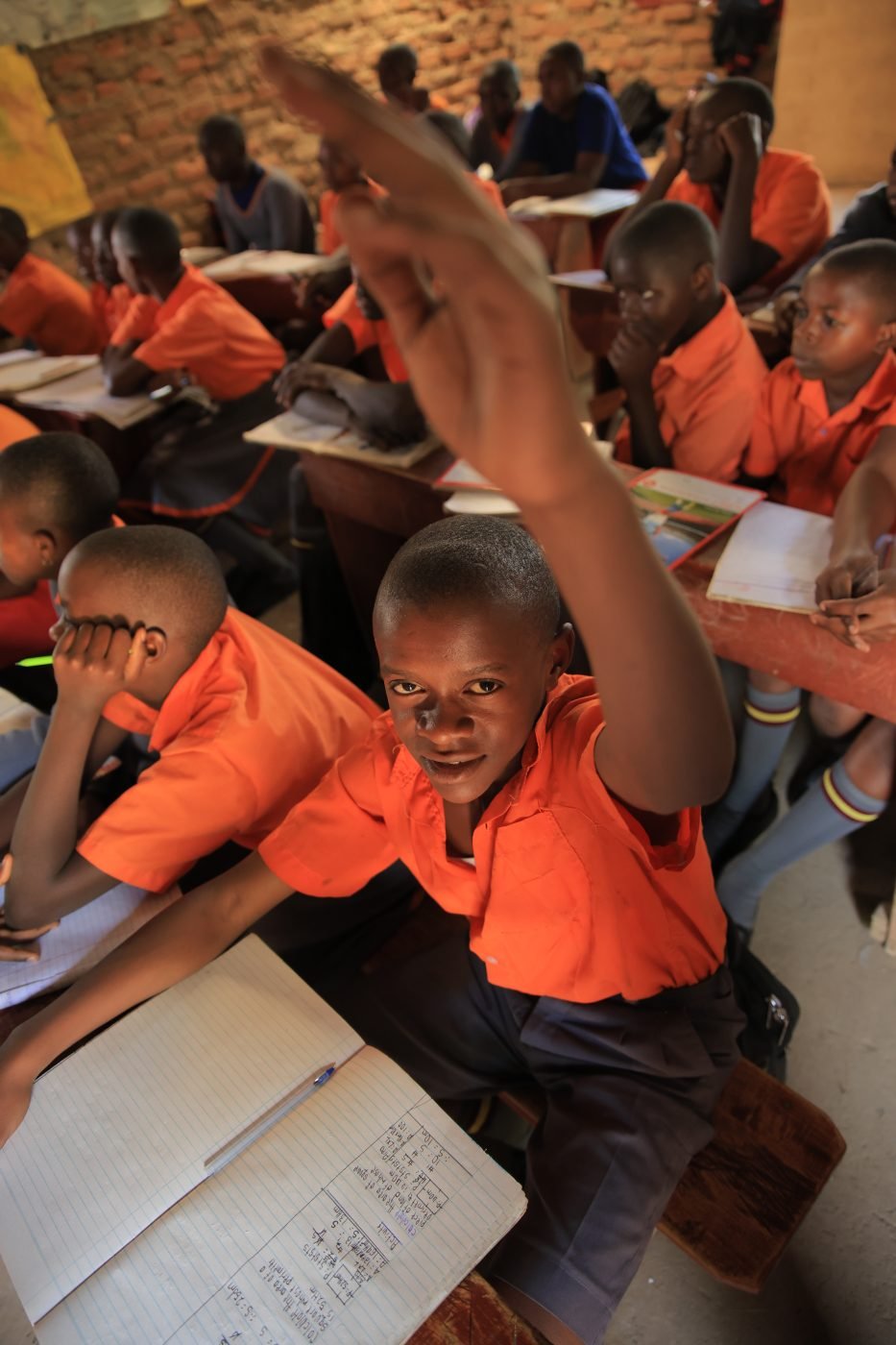
Are people using what they learnt?
 72%
72%
adopted sack or box gardening
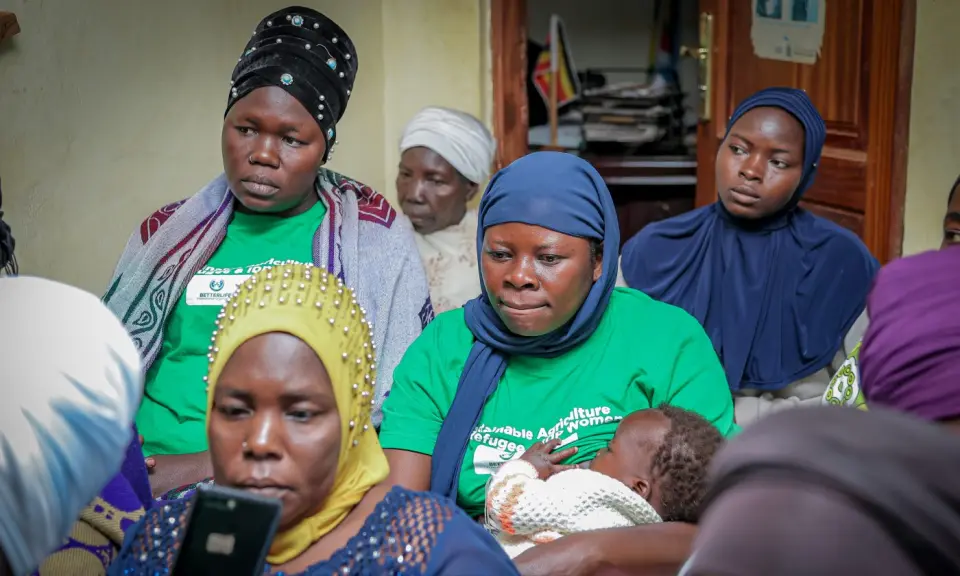
Among 82 households tracked in October 2025, from home visits and the women’s own adoption scorecards. Women’s Climate Resilience in Yumbe
-
02
Are families growing more food?
 35%
35%
less spent on vegetables by households growing their own
An approximate figure, from the active gardening households among the 82 tracked in October 2025, as they reported it. Women’s Climate Resilience in Yumbe
-
03
Are incomes becoming more stable?
 78%
78%
moved into sustainable income pathways
Reported across RISE target groups. RISE
-
04
Are communities better placed to face the next shock?
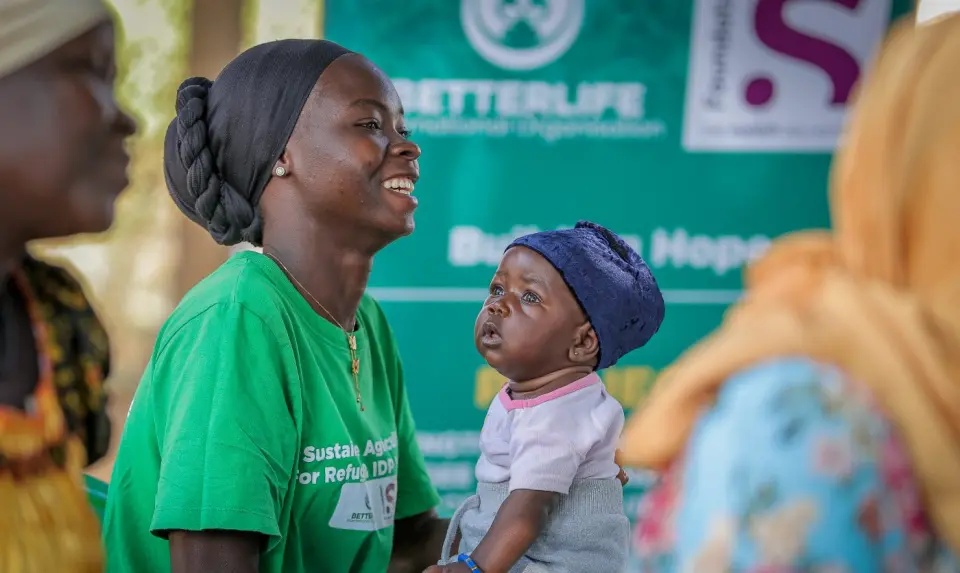 40%
40%
fall in food insecurity
Reported across RISE target groups. RISE
Each bar fills to its own result, out of 100 per cent. The Yumbe figures come from monitoring 82 households in October 2025 and still need to be confirmed by the project’s endline survey. The RISE figures are as the programme reported them.
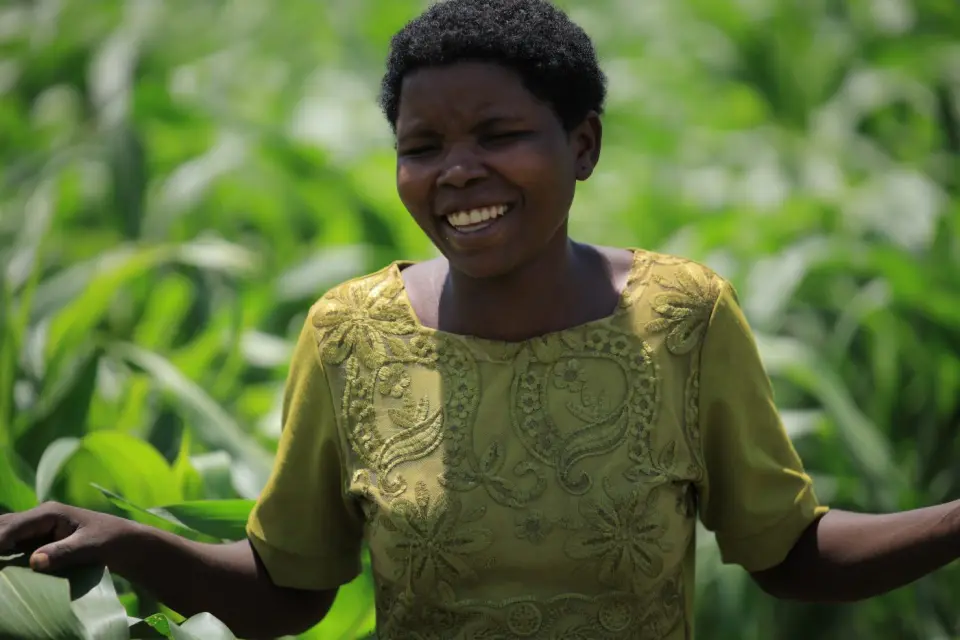
During the training, I wanted to know what I could grow with the little space I had at home. Seeing the demonstration garden helped me understand where to start.
The numbers behind the work
Each figure stands on its own. We show them side by side rather than adding them together.
-
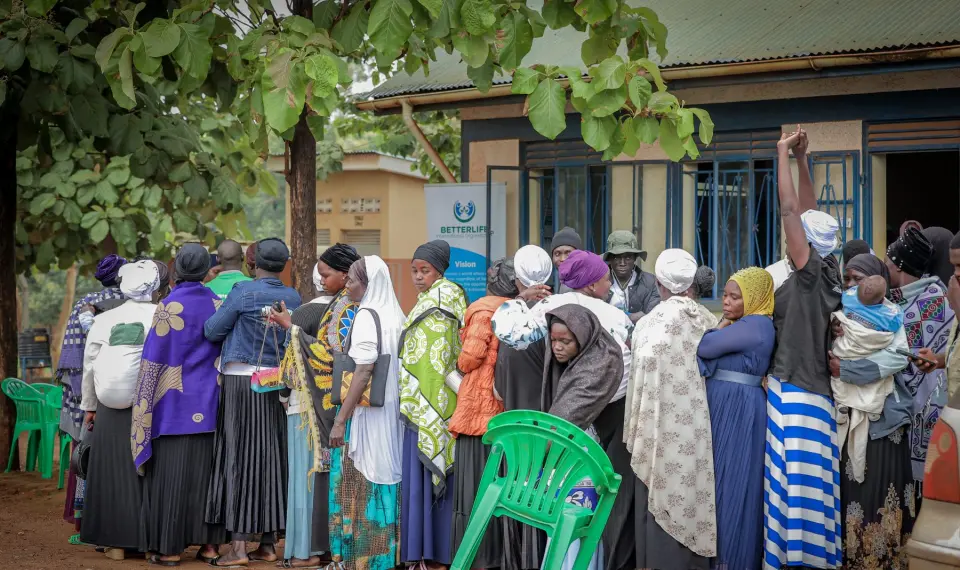 112,430 People reached in 2025
 -
18,900 Farmers supported in 2025
-
41,200 Refugees and host-community members reached in 2025
-
4,580+ Students engaged in climate education
-
20+ Green Libraries and Eco Labs
-
48+ Household biogas systems
-
65 Community boreholes
-
50,000+ Tree seedlings raised
-
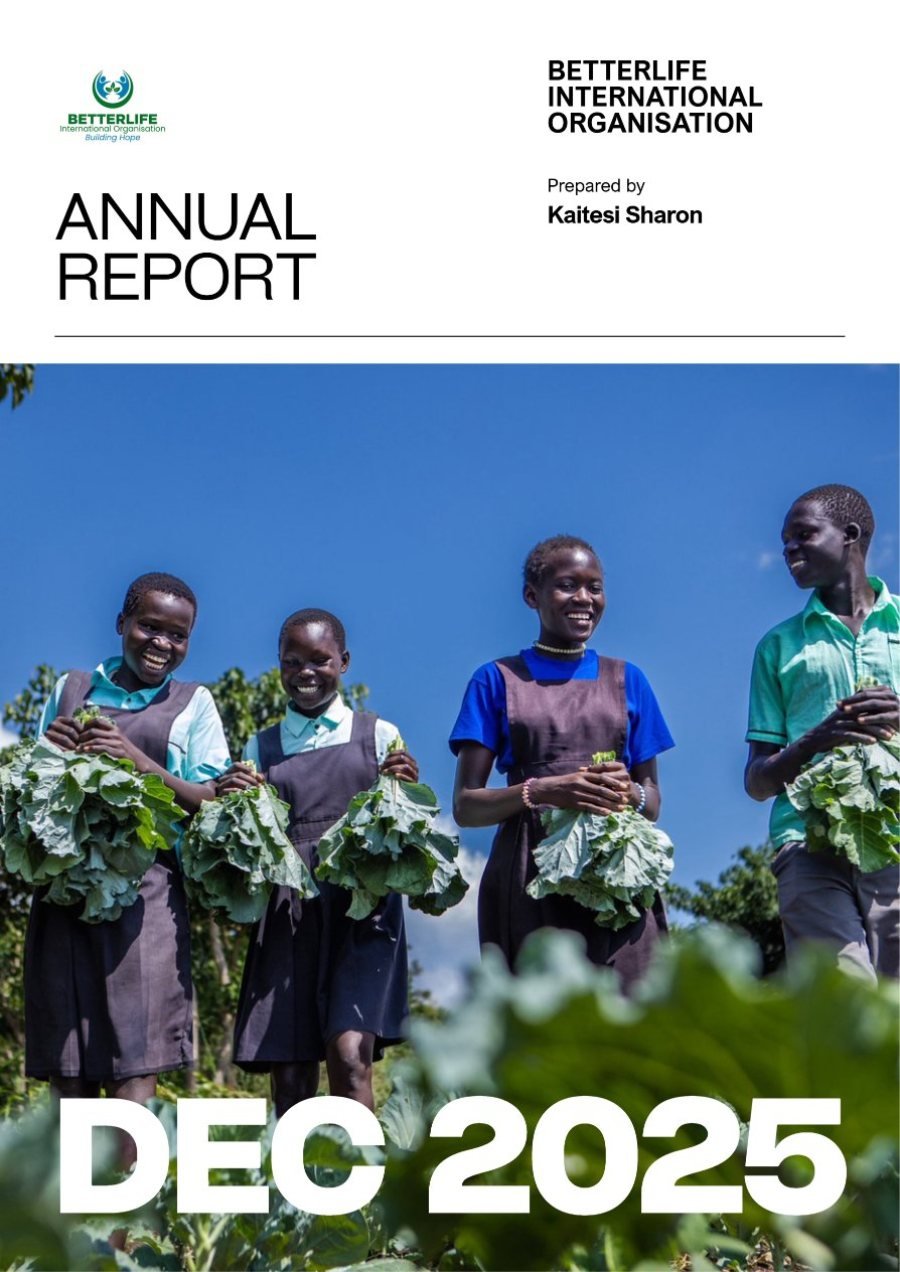 The full picture is in our 2025 annual report. Read the report
Year by year, in our own reports
Choose a year to see what it held, then read the full report.
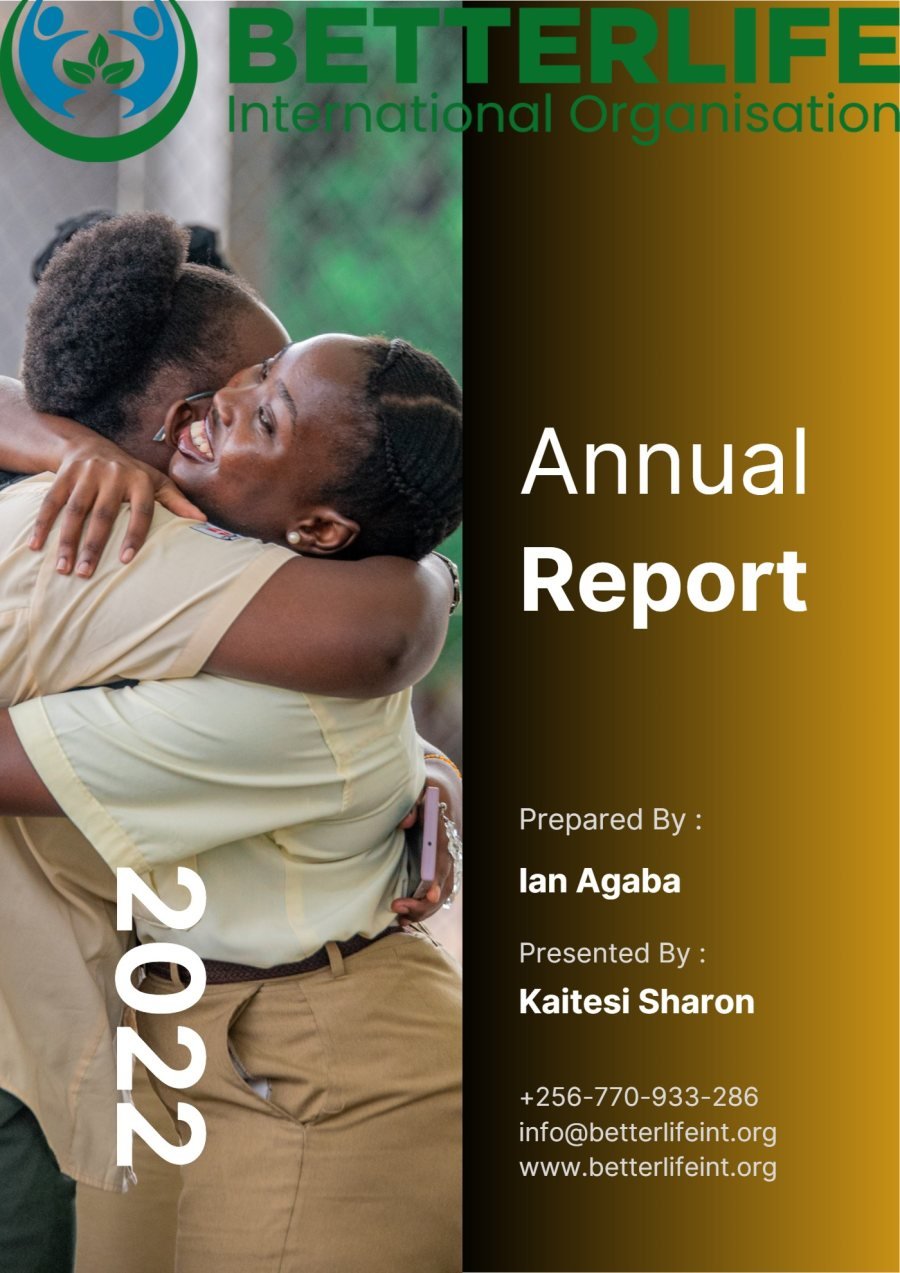
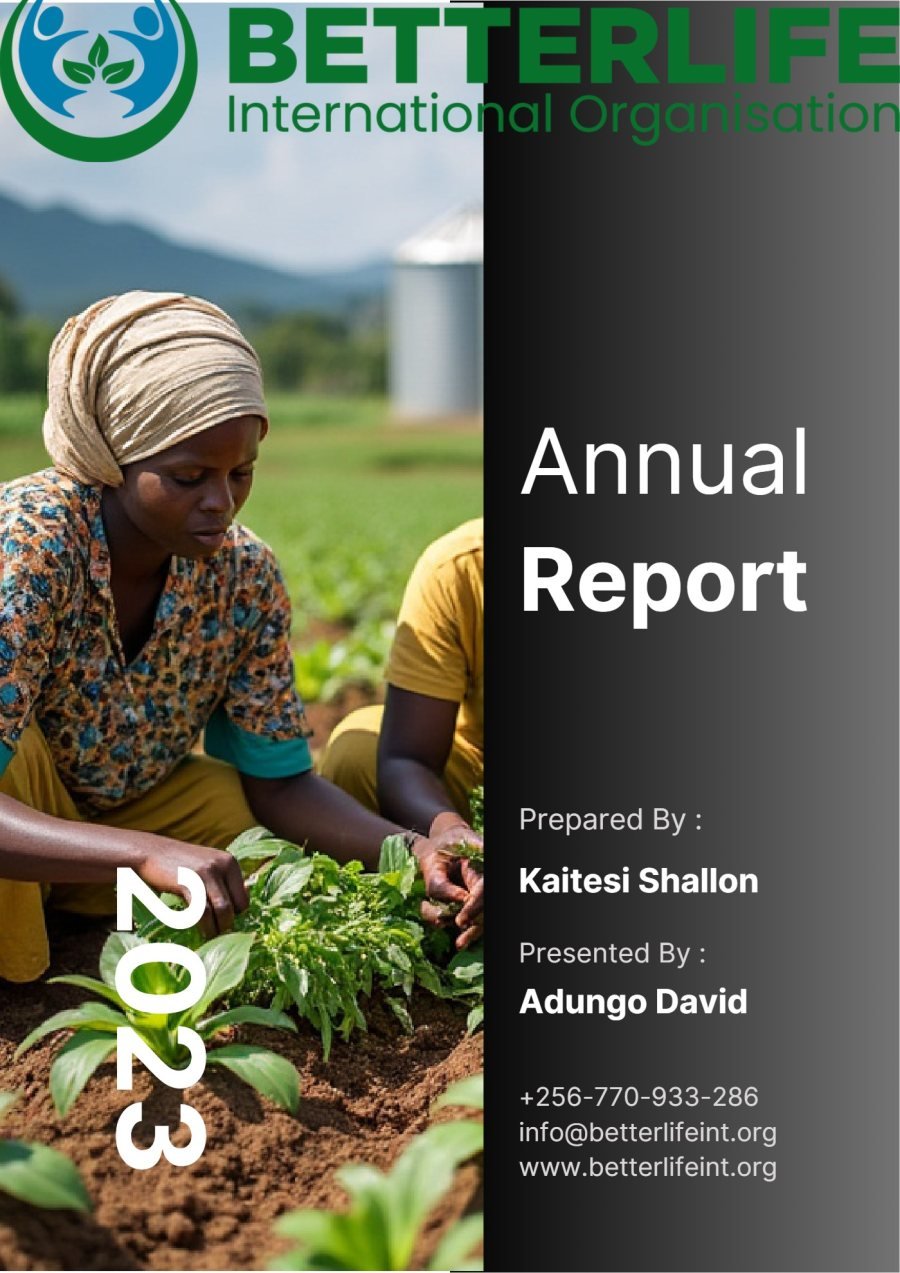
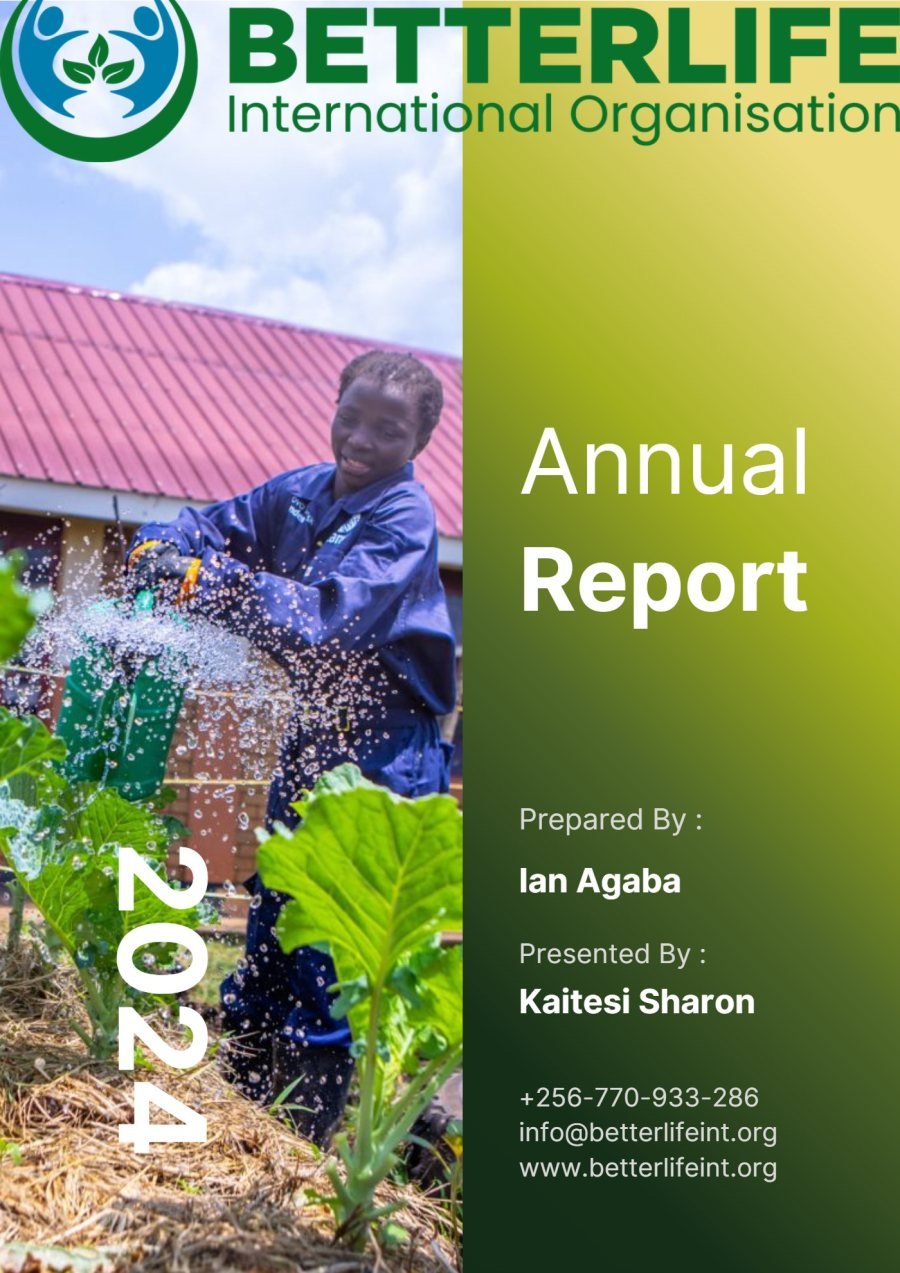
27,400 people reached
Climate education, green learning spaces and recycling in schools and refugee-hosting communities.
- 7,000+students in climate education across more than 20 rural primary schools
- 5new BetterLife Green Libraries, including in refugee settlements
- 3Green Eco Labs in South Sudan, where more than 3,000 people learnt practical skills
- 20Plastic Banks, with 25 local cooperatives formed around them
37,550 people reached
A turn towards smart and sustainable agriculture, including the founding of the BetterLife Agro Tourism Farm.
- 48biogas plants, bringing clean energy to more than 1,200 households
- 10boreholes, giving 3,500 people clean water in refugee-hosting communities in South Sudan
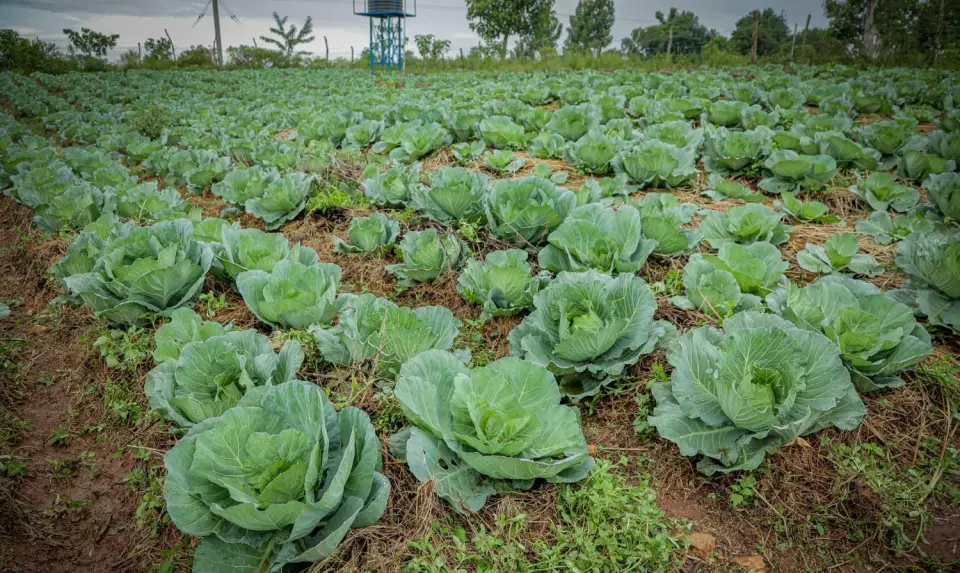
- 1,500+refugees trained in sustainable farming
- 30schools holding environmental debates, with more than 2,500 students
68,500 people reached
A year of consolidation and scale-up across Uganda, South Sudan, Tanzania and Ghana.
- 120+schools reached with climate education
- 9,600+farmers and young people trained at climate-smart demonstration farms
- 5,400+young people and women in RISE skills training and mentoring
- 2,300+young people in climate leadership and community action
112,430 people reached
The year our work moved from programme expansion to regional scale, with women, young people and displaced families at the centre.
- 420,000+tailored advisory messages sent to farmers through Soilla
- 37%higher crop yields and 28% lower input costs among farmers using Soilla
- 3.6 million+data points processed by the Soilla platform
- 60+youth dialogues on climate action
What change looks like
These changes may begin with one activity. Their value lies in what becomes possible afterwards.
-
01
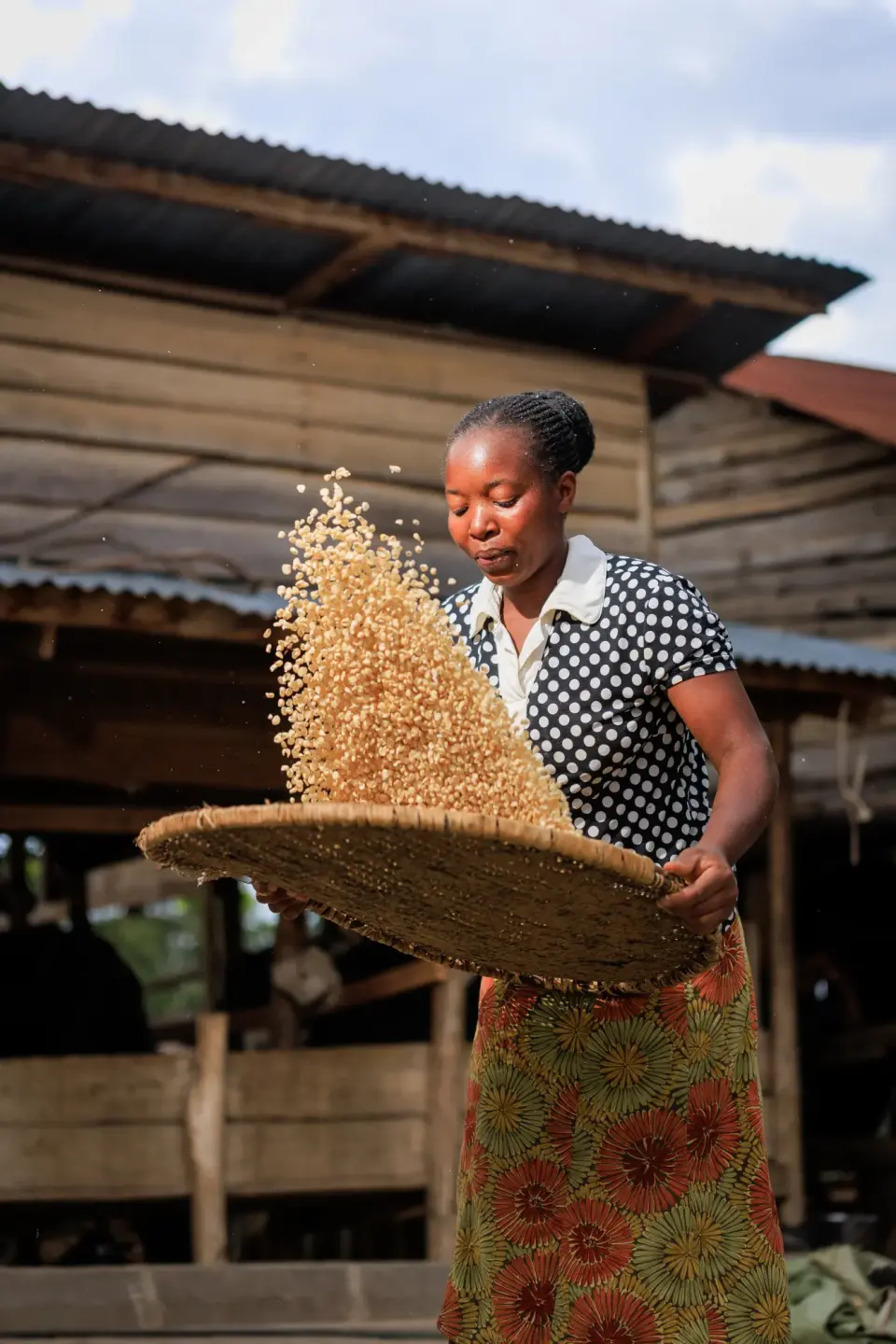
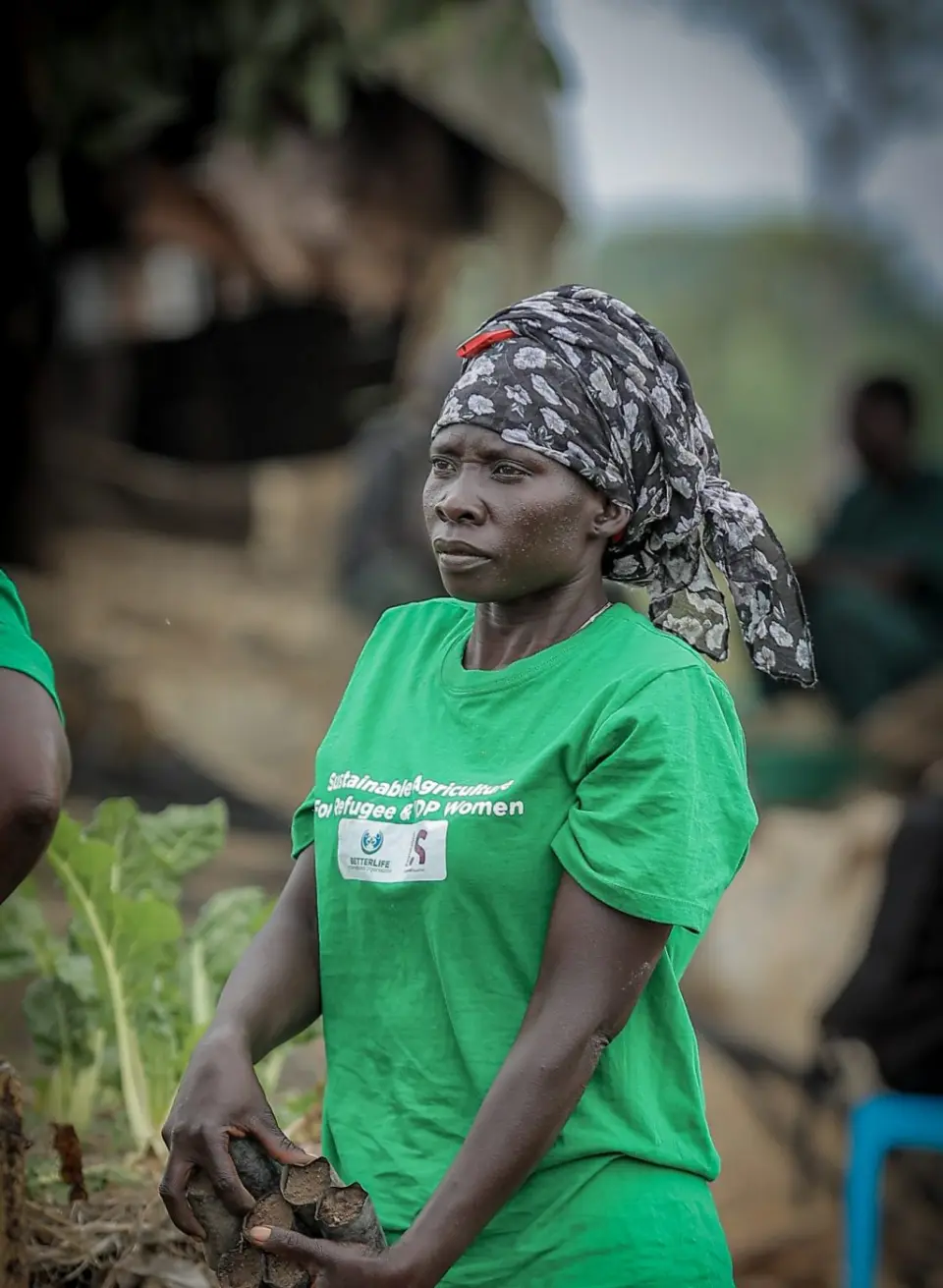
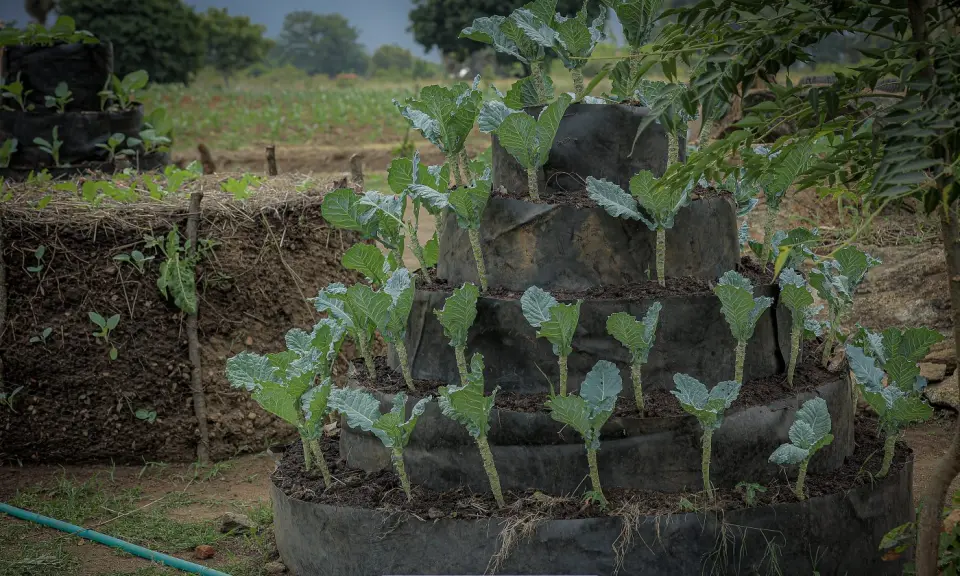
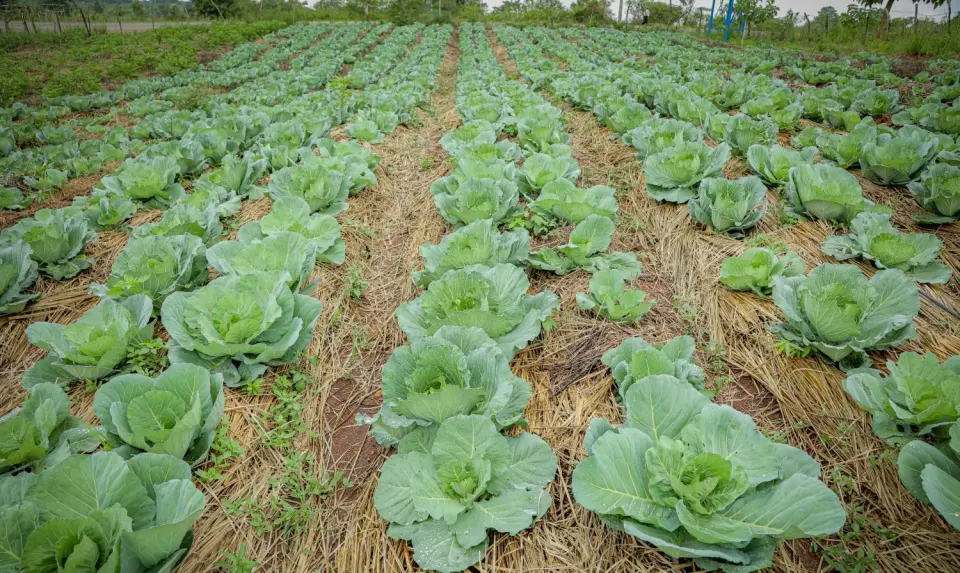
Impact is a woman harvesting vegetables from a sack garden beside her home instead of buying everything at the market.
-
02
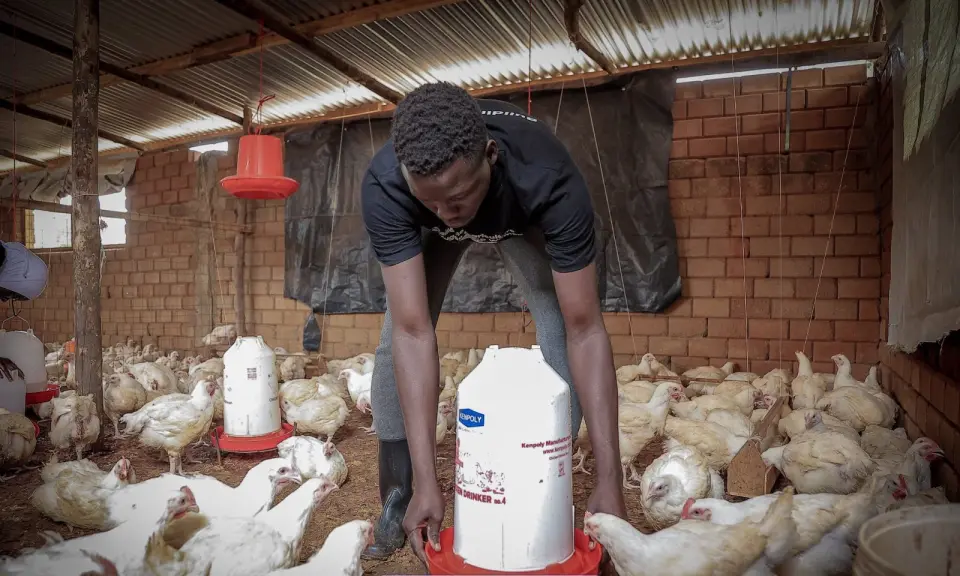
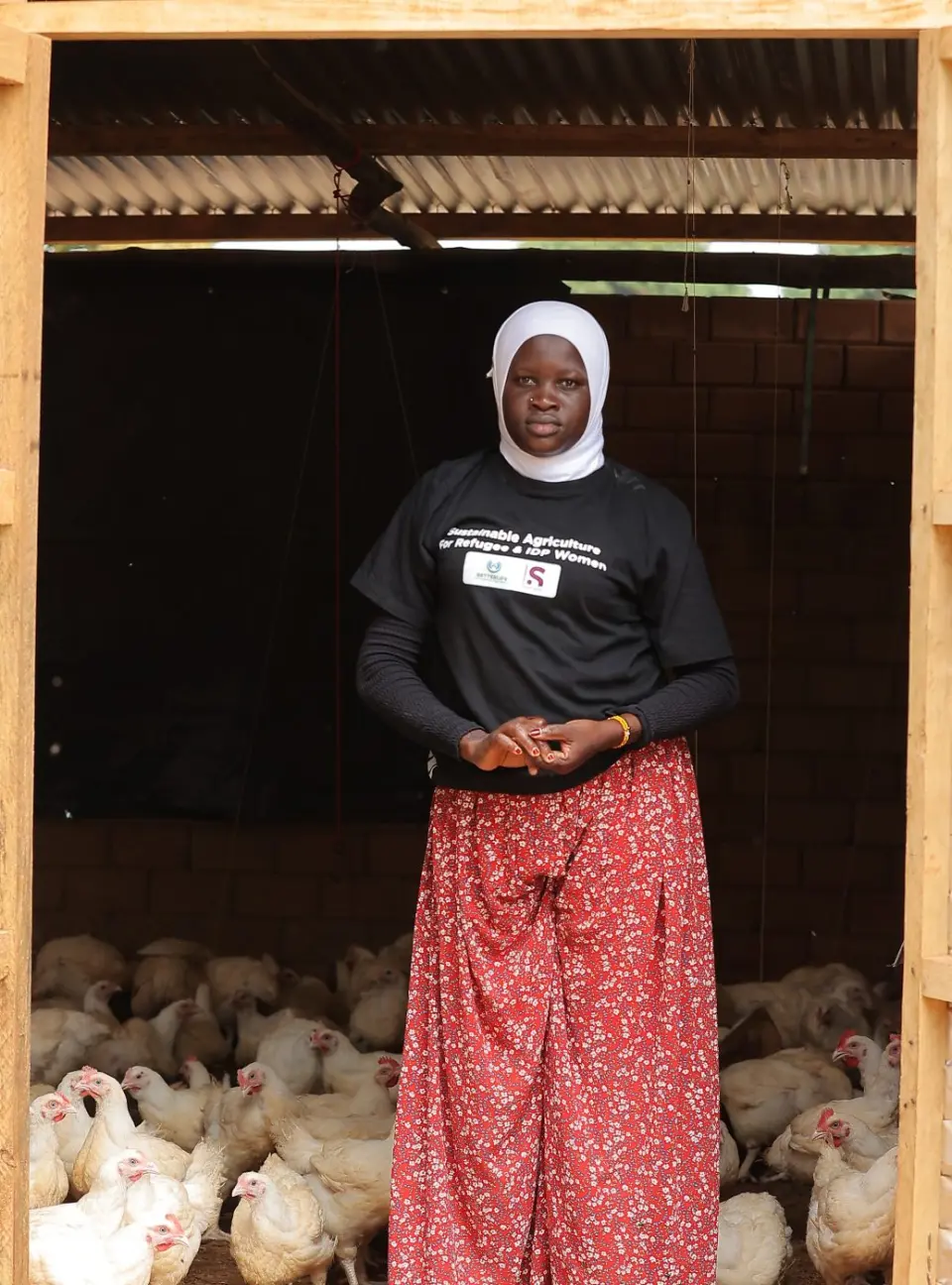
It is a young refugee starting a poultry business and trading with the host community.
-
03
It is a farmer checking market information before deciding where to sell.
-
04
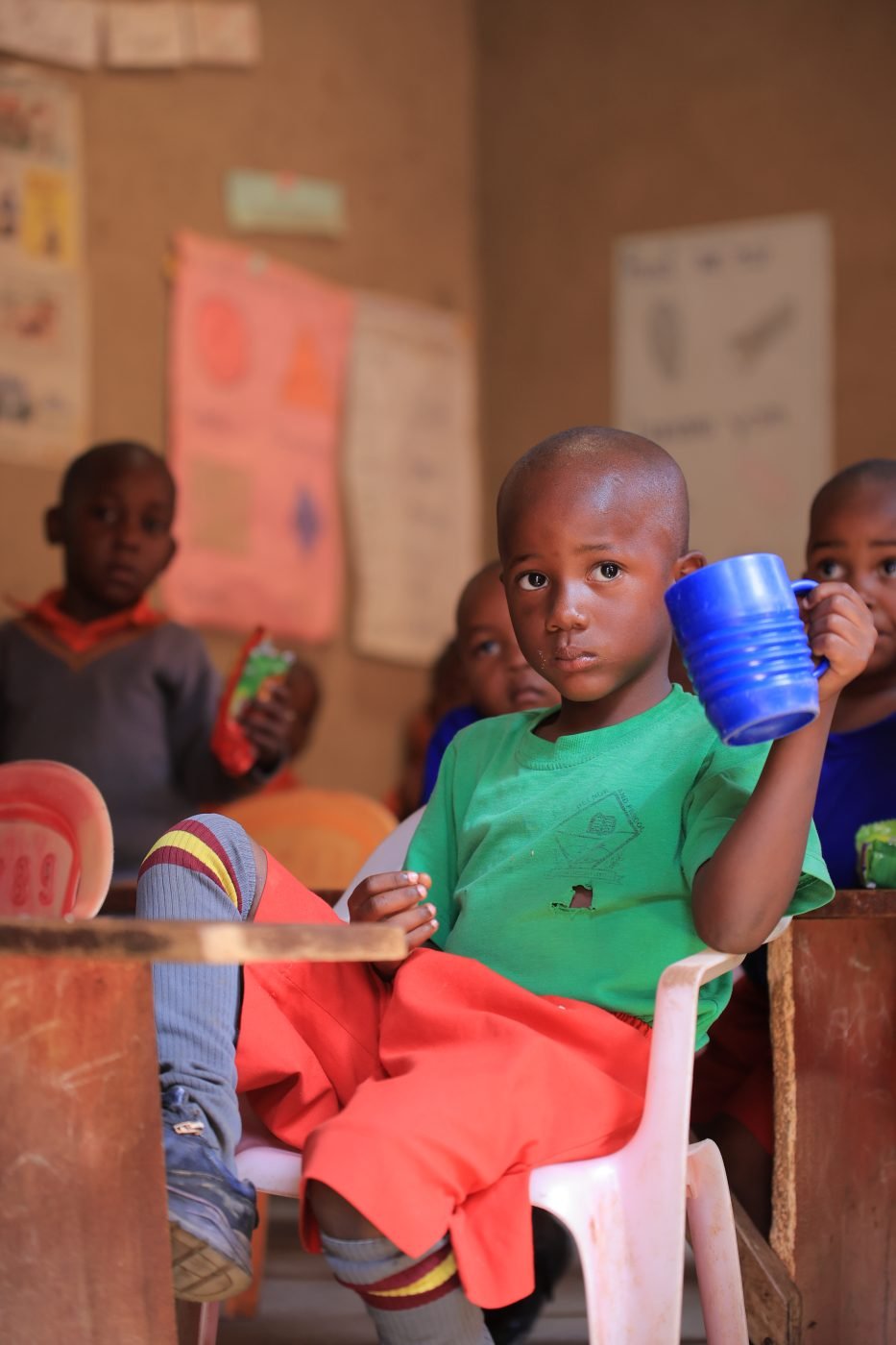
It is a child eating a meal at school instead of learning on an empty stomach.
-
05
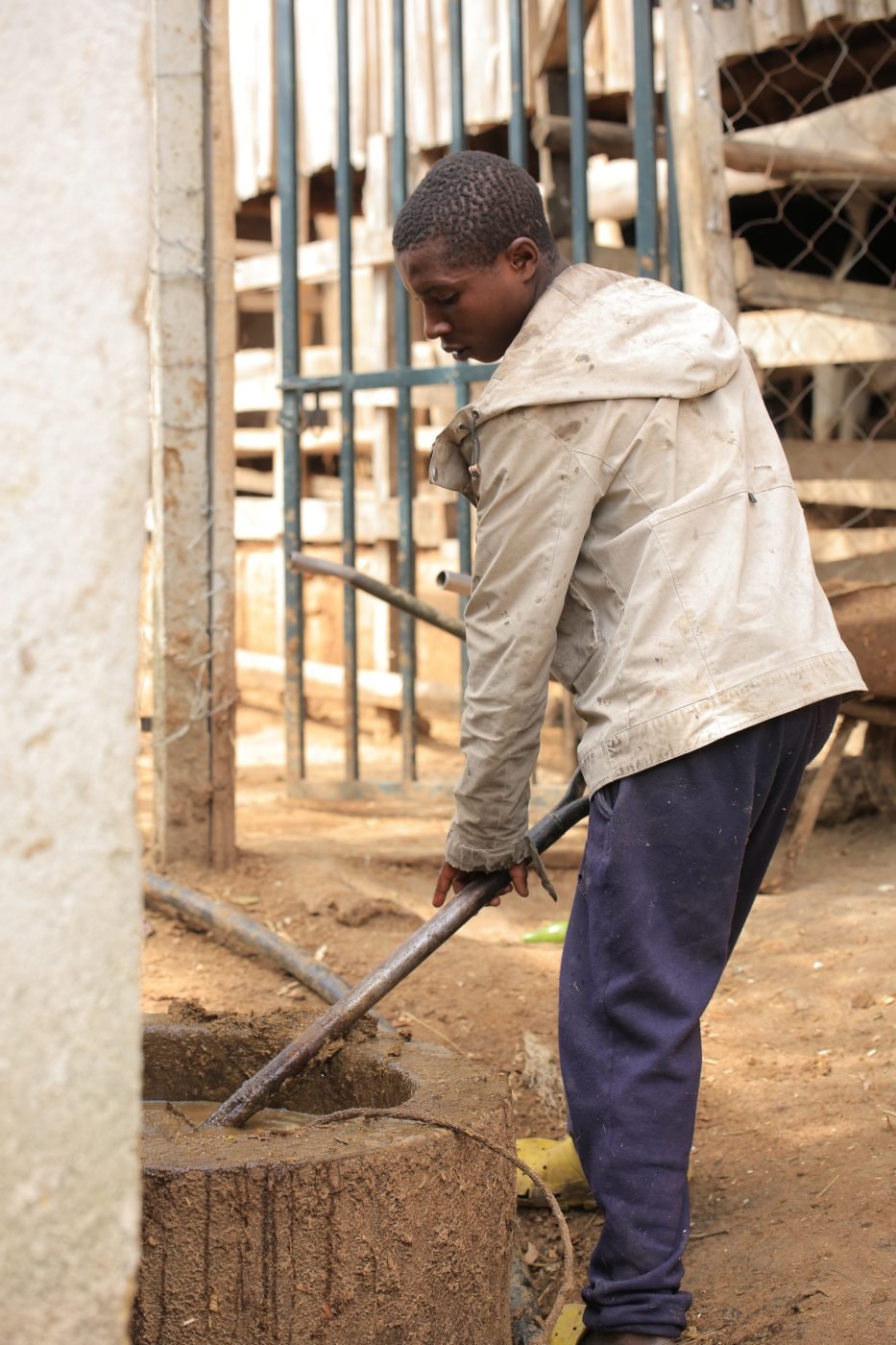
It is a household cooking with biogas instead of spending hours looking for firewood.
We publish what we did, what changed and where we still need to improve.
Our reports are written for communities, partners and the public alike. If you would like more detail on any result, ask us.