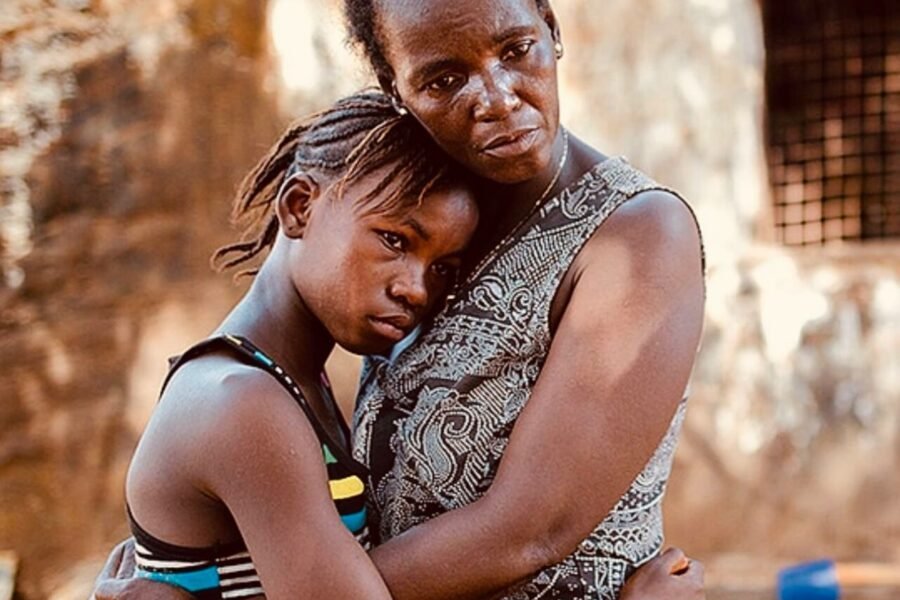
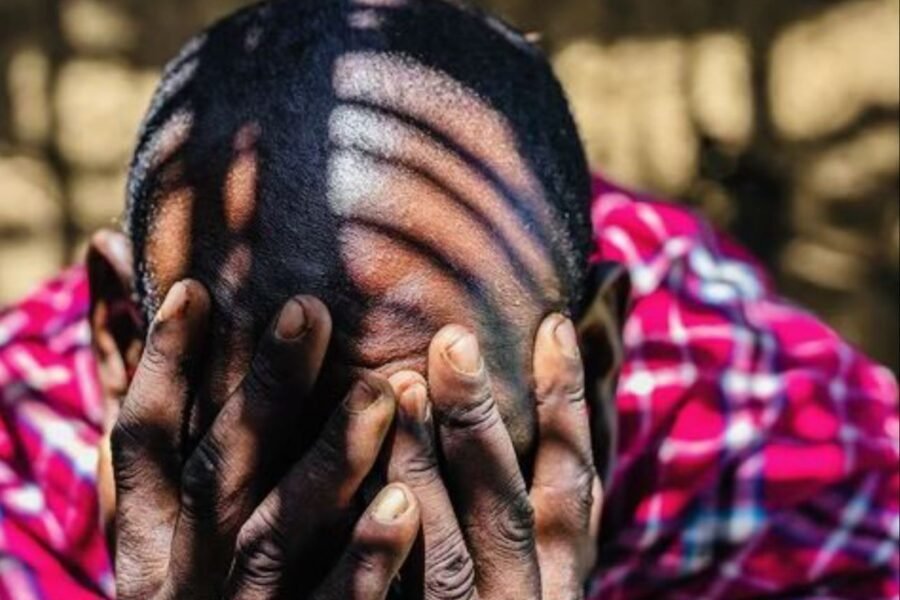
Climate justice is not merely about financial transactions to protect the environment. It embodies the fight for fairness for the communities least responsible for the climate crisis, yet most affected by its consequences.
Across Uganda, South Sudan, Tanzania, Ghana and the DR Congo, the families BetterLife International works with are on the frontline of a crisis they did little to cause — unpredictable rains, shrinking grazing land, and displacement driven by environmental stress. True climate justice means channelling resources, skills and decision-making power directly to these communities, not just discussing figures in international finance rooms.
That is why our approach pairs climate education with tangible livelihoods: green skills training, climate-smart agriculture, and renewable energy access such as biogas and boreholes. When a family can irrigate a field with solar power or cook with biogas instead of charcoal, climate justice becomes something they can hold in their hands, not just a policy conversation.
We continue to advocate for financing that reaches the last mile — the refugee-hosting districts and rural communities that are too often left out of climate finance altogether.