BetterLife Agro Tourism Farm, Rukungiri
Food today. A route to independence tomorrow.
A working, solar-powered farm built around food security. Families receive seedlings for their own gardens, the farm buys the surplus they grow, and the harvest becomes flour, ghee, yoghurt, honey and organic manure.
A farm that feeds families before it feeds a market
BetterLife Agro Tourism Farm supports refugees, women and vulnerable households to move from emergency assistance towards producing their own food and earning stable incomes.
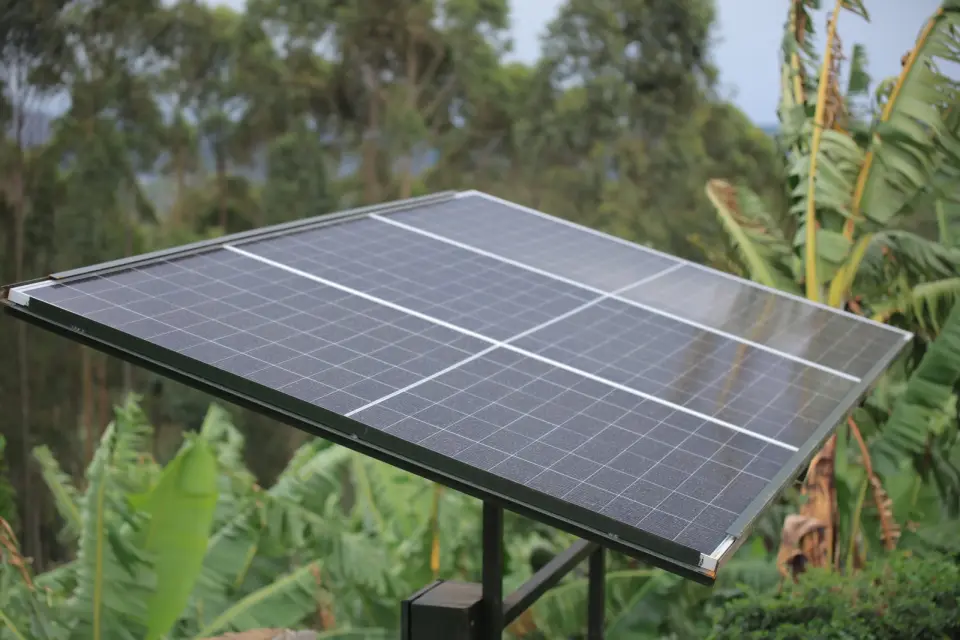
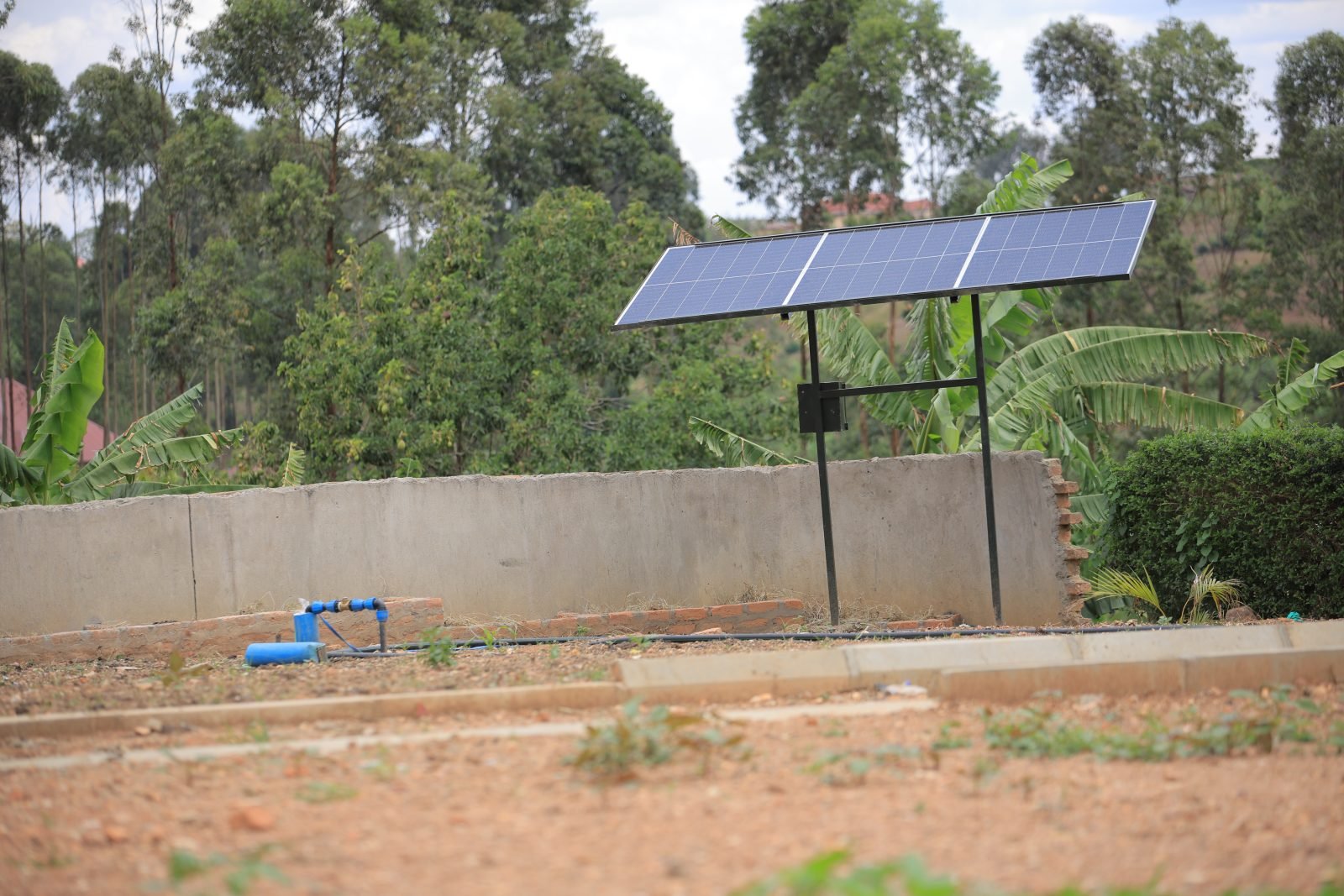
Solar energy powers the farm’s irrigation, water pumping and key production activities, so it keeps producing through dry periods and shows farmers how clean energy can lower both climate risk and running costs.
Not only vegetables. Staples too.
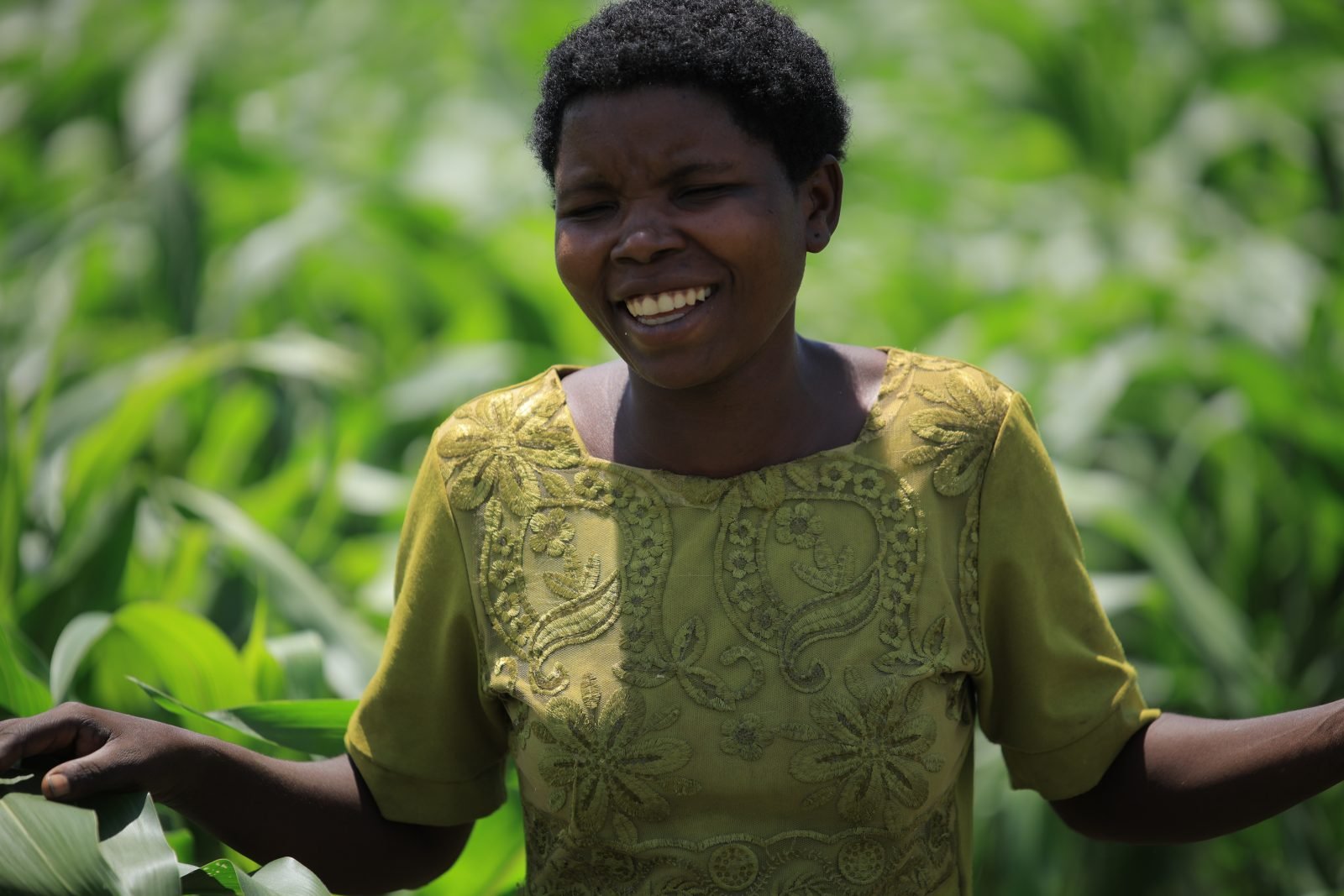
Refugee, displaced and vulnerable host-community families receive seedlings, organic manure and practical training to start producing at home.
-
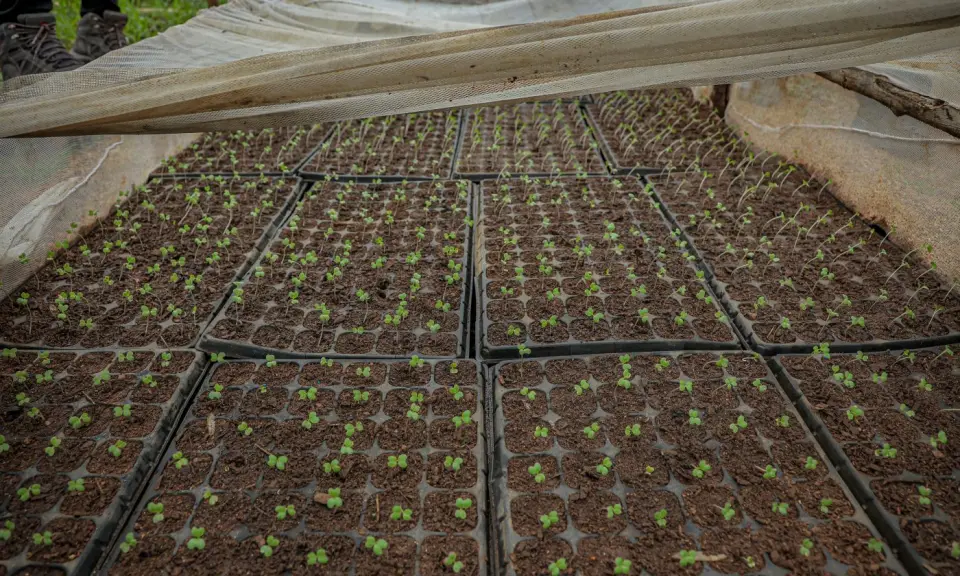
Vegetables
Seedlings for home and sack gardens, so families can grow the greens they would otherwise buy.
-
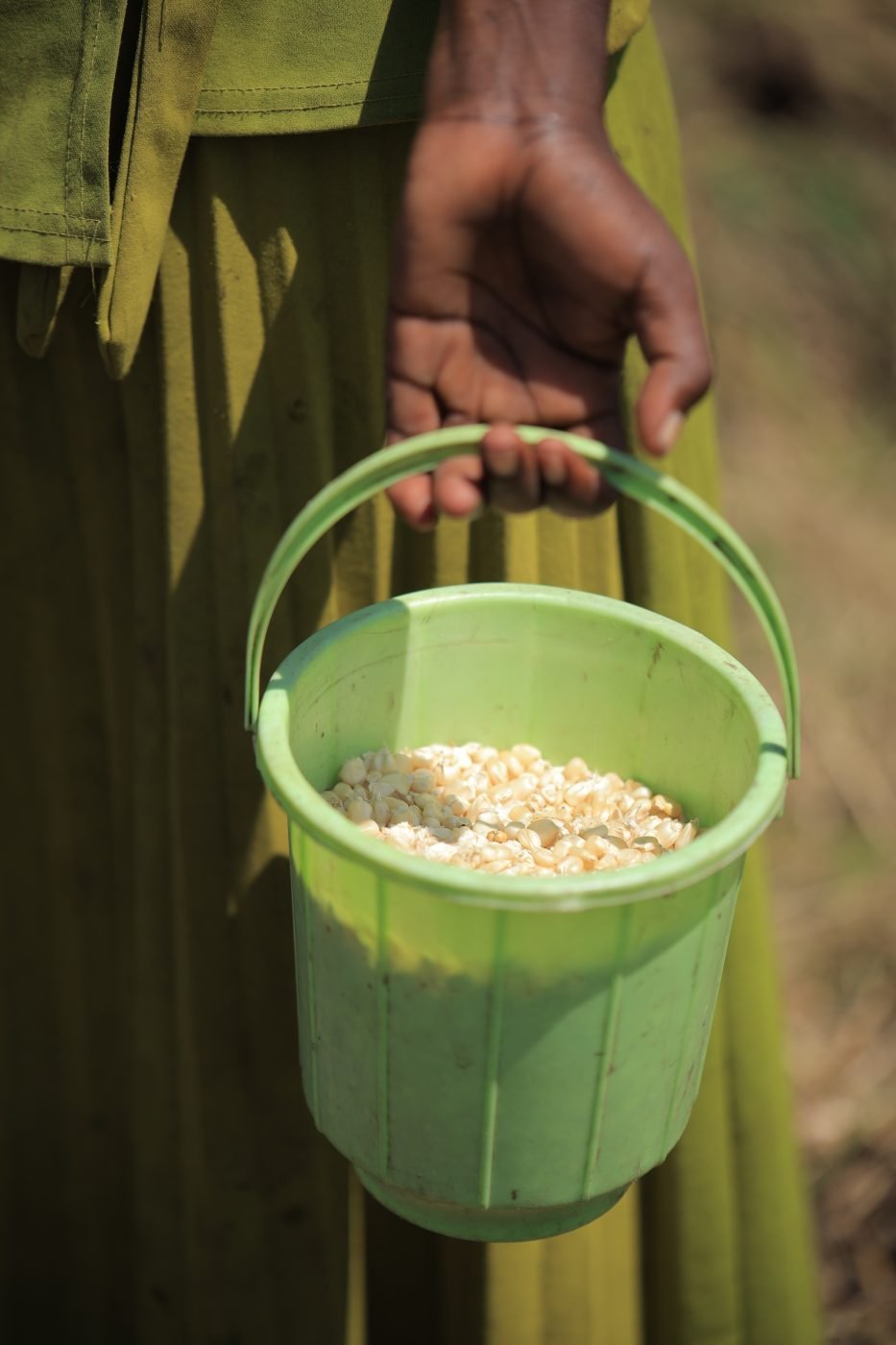
Maize
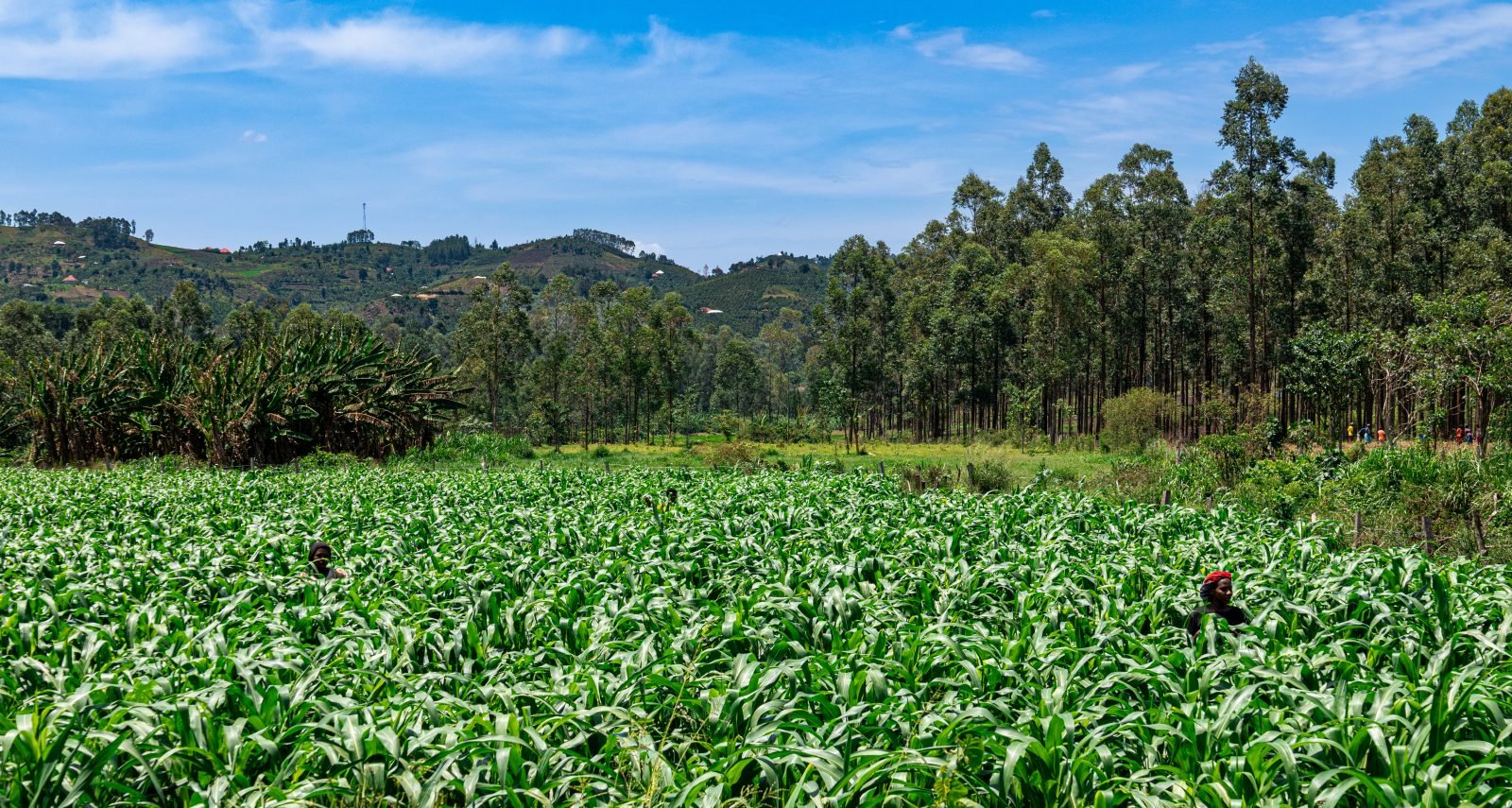
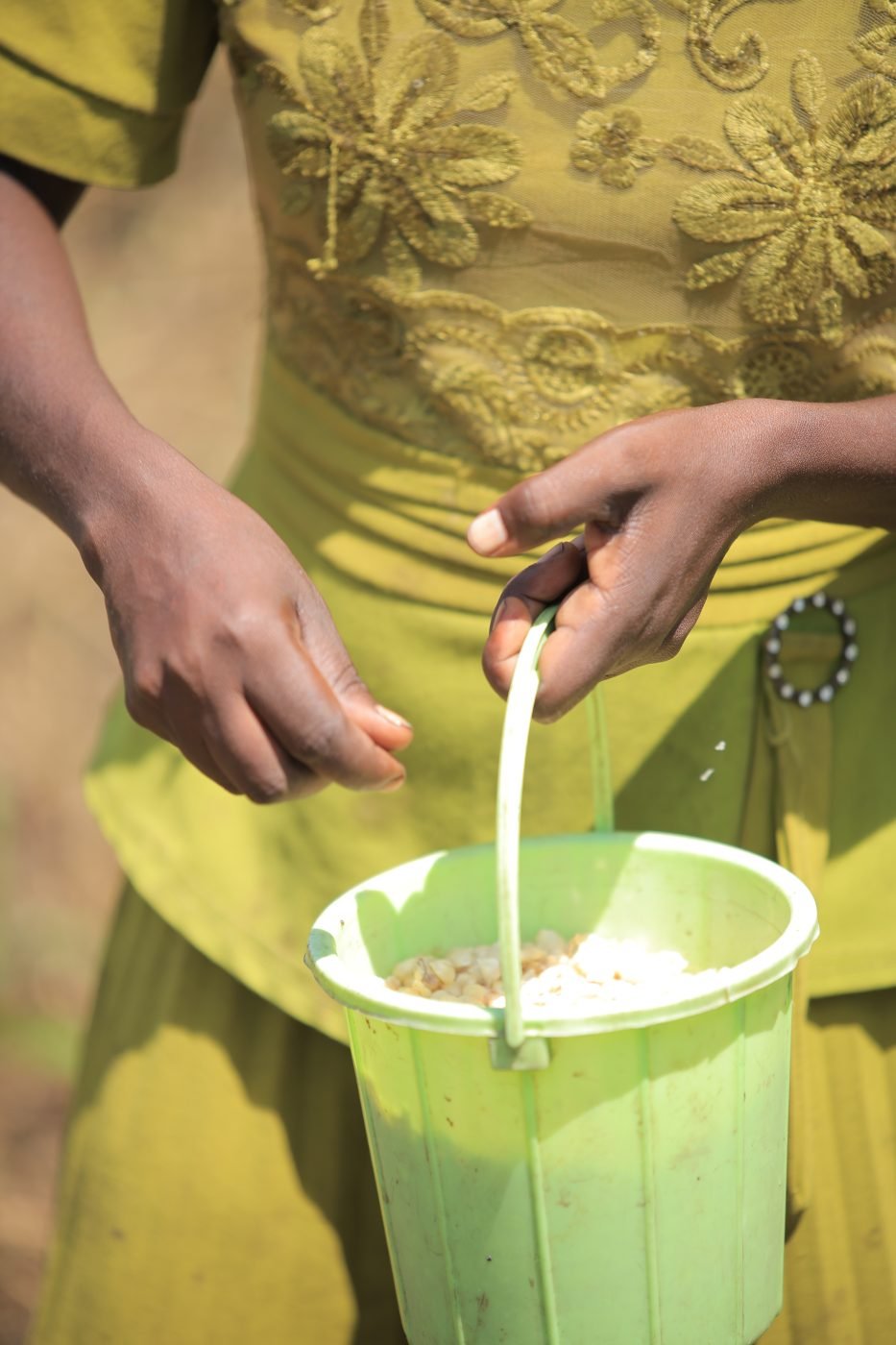
Seed for the staple that fills most plates, planted with practical training on preparing the ground and caring for the crop.
-
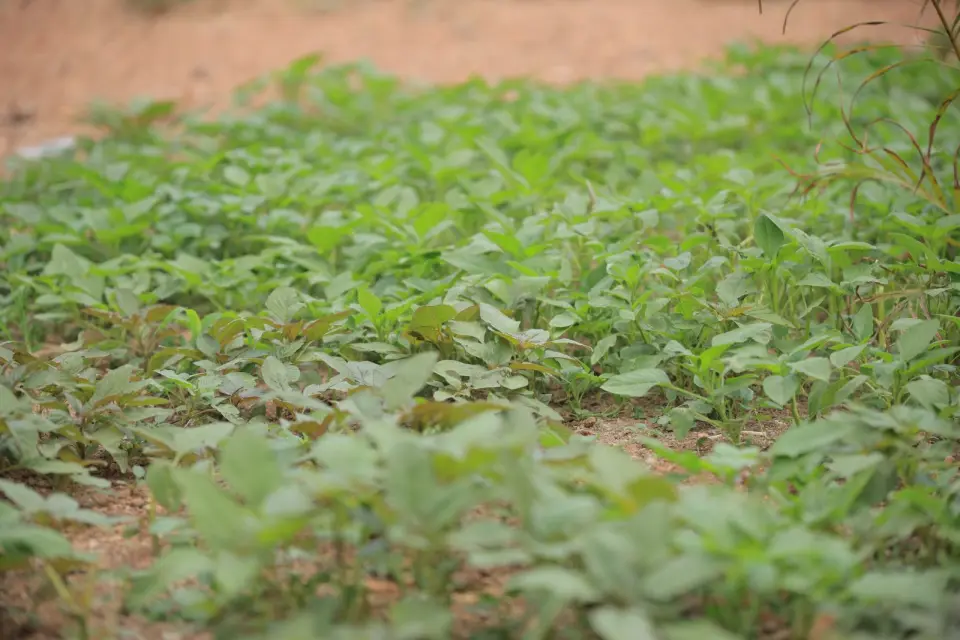
Soya
A protein-rich crop that feeds the household and, once milled, becomes flour.
-
With every household
Organic manure to feed the soil, and practical training so the first harvest is not left to chance.
From support to supplier
-
01
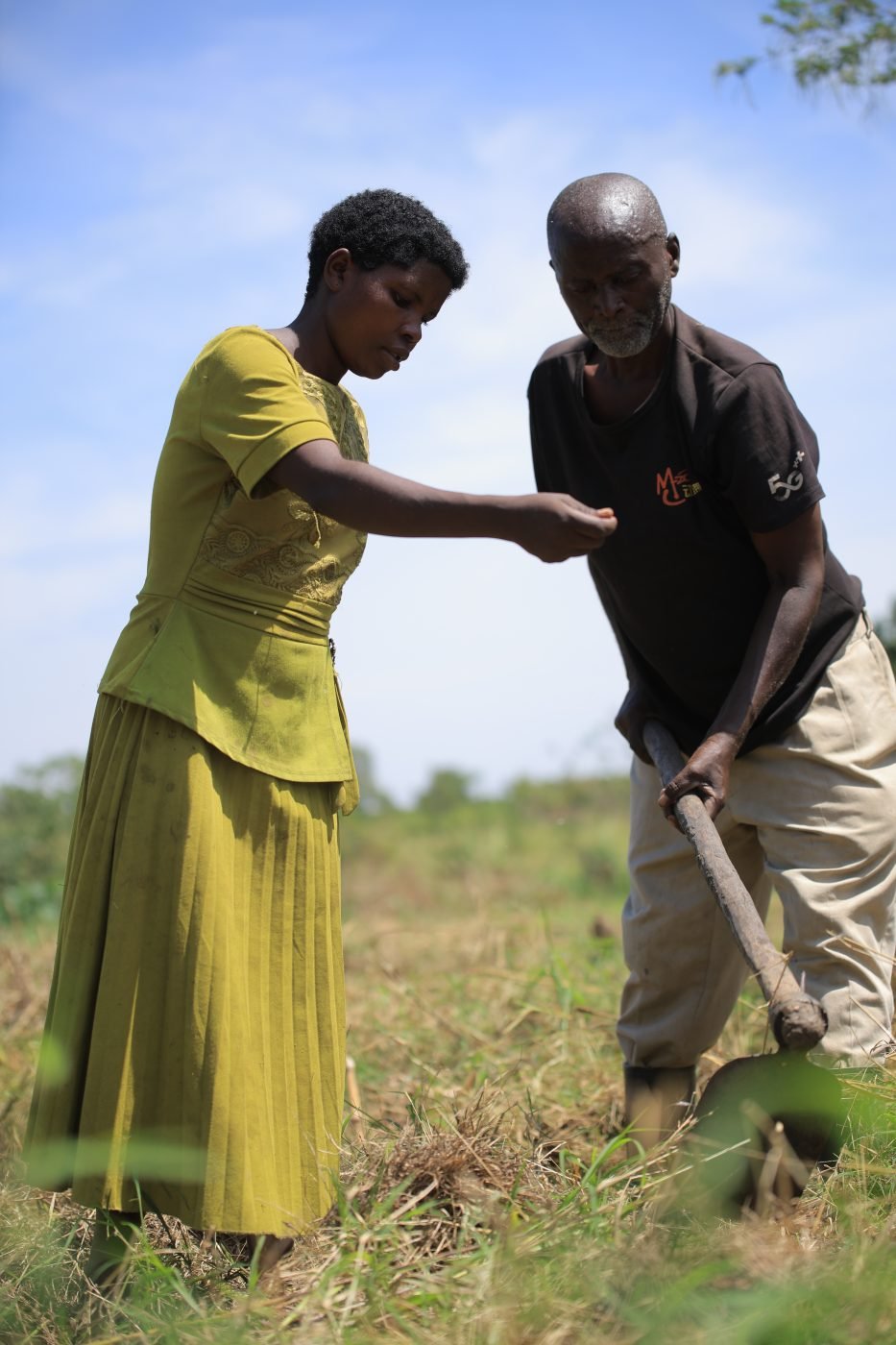
Learn and receive
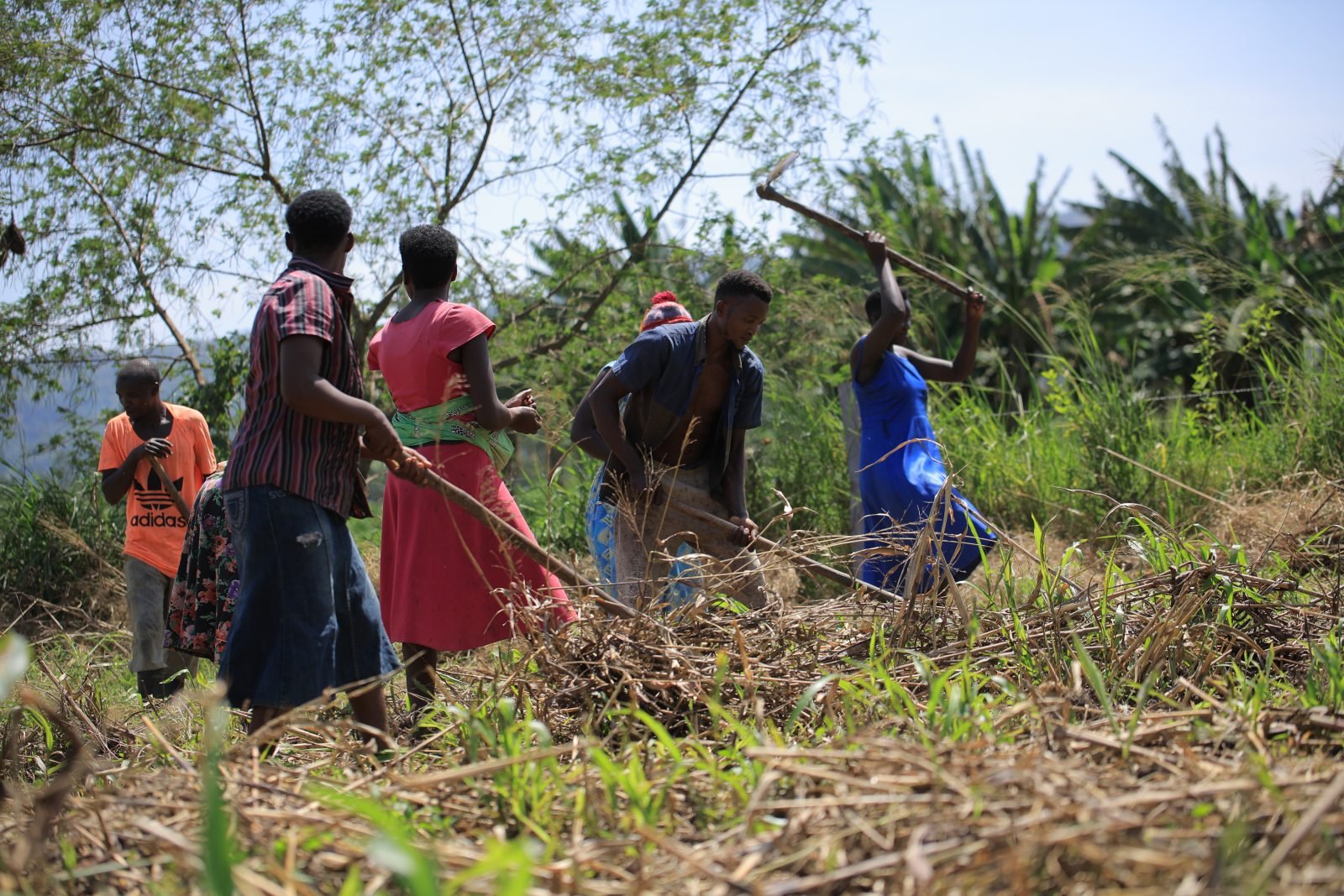
Participants who are rebuilding their livelihoods can choose to spend up to two flexible hours at the farm. They receive practical agricultural training, food support, free seedlings and starter inputs.
-
02
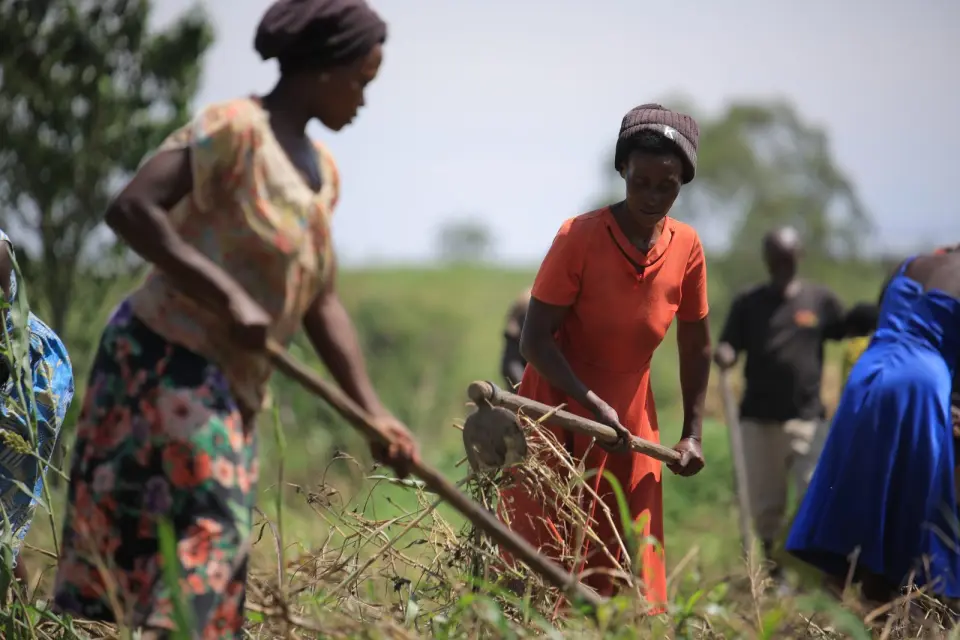
Grow at home
The arrangement leaves time for family care, study, job-seeking and other income. Families grow food to eat first; what they do not need becomes surplus.
-
03
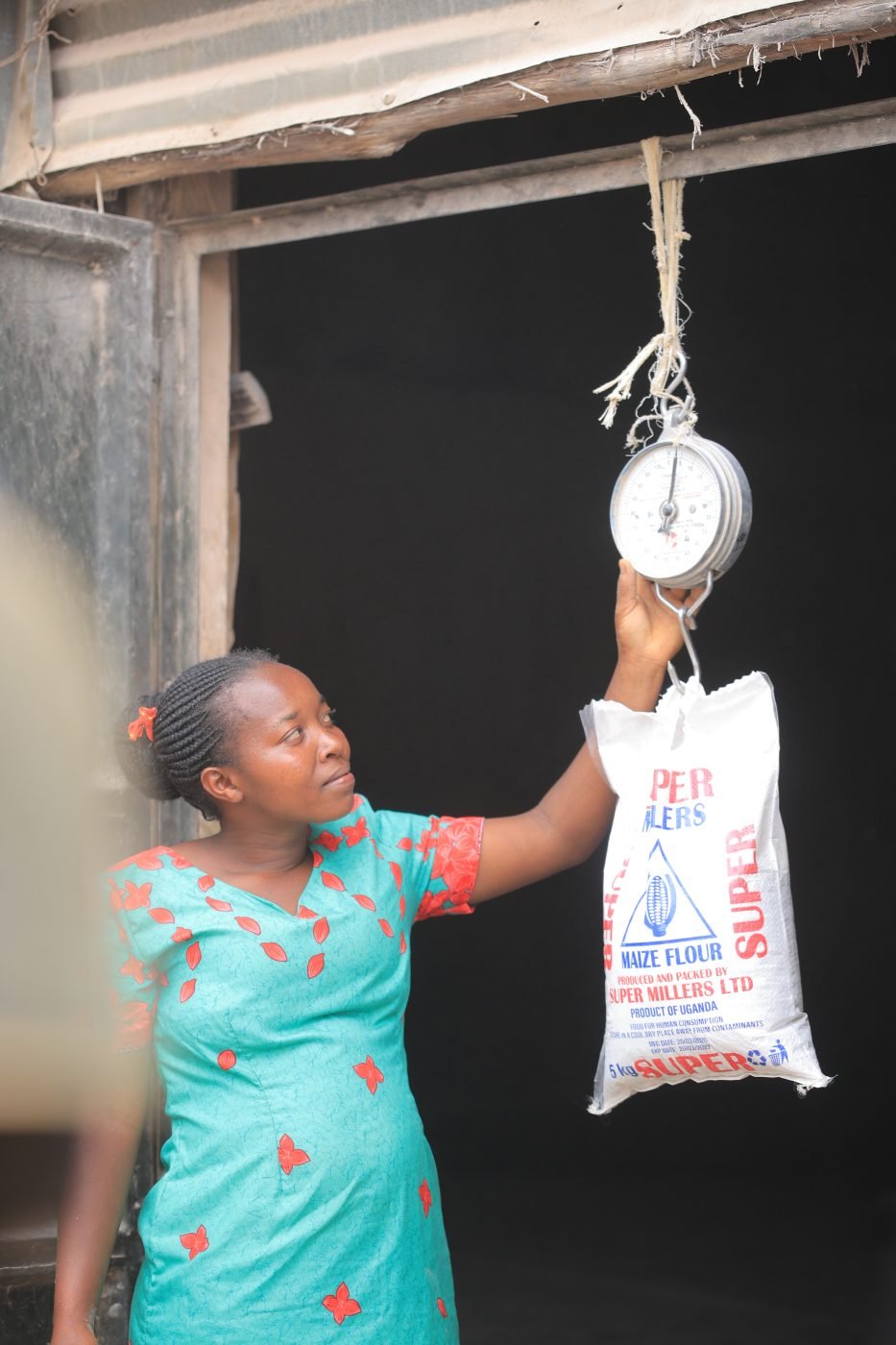
Supply the farm
As people become more stable, they move into independent production. BetterLife Agro Tourism Farm Ltd buys their surplus, turning a good season into cash and capital for the next one.
The point is not to keep people working at the farm. It is to help them reach a place where they no longer need to.
Nothing on the farm works alone
Grass becomes feed, cattle give milk and manure, dung becomes fuel and the sun moves the water. Choose a part of the farm to see how it feeds the next.
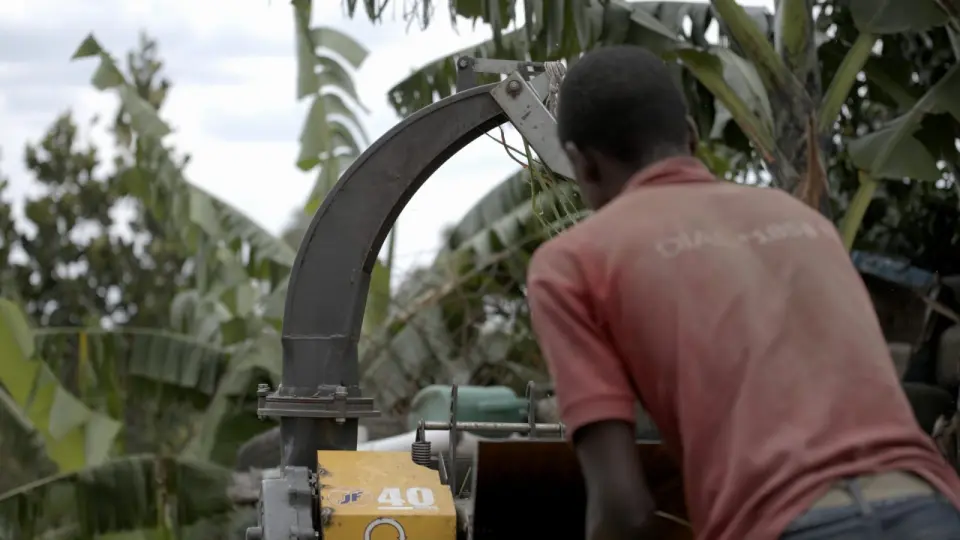
Fodder
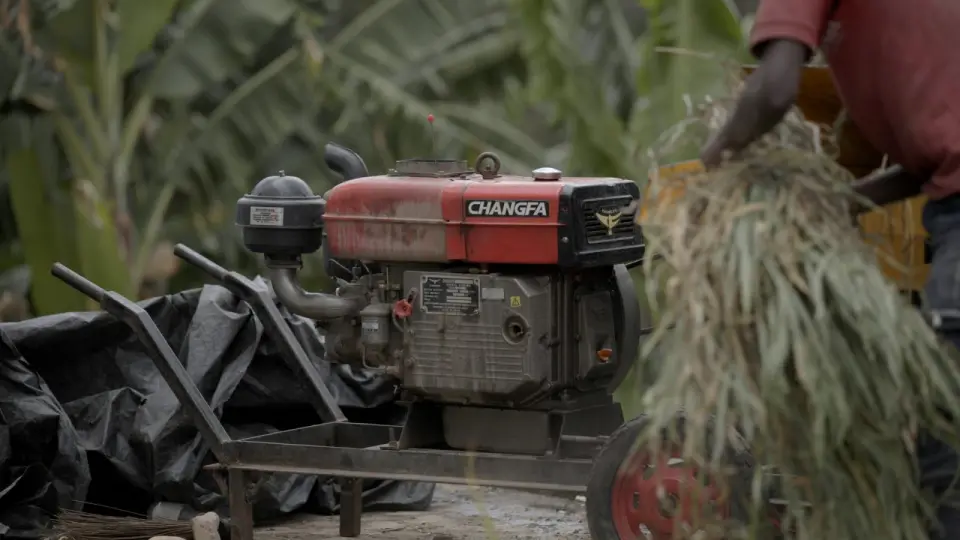
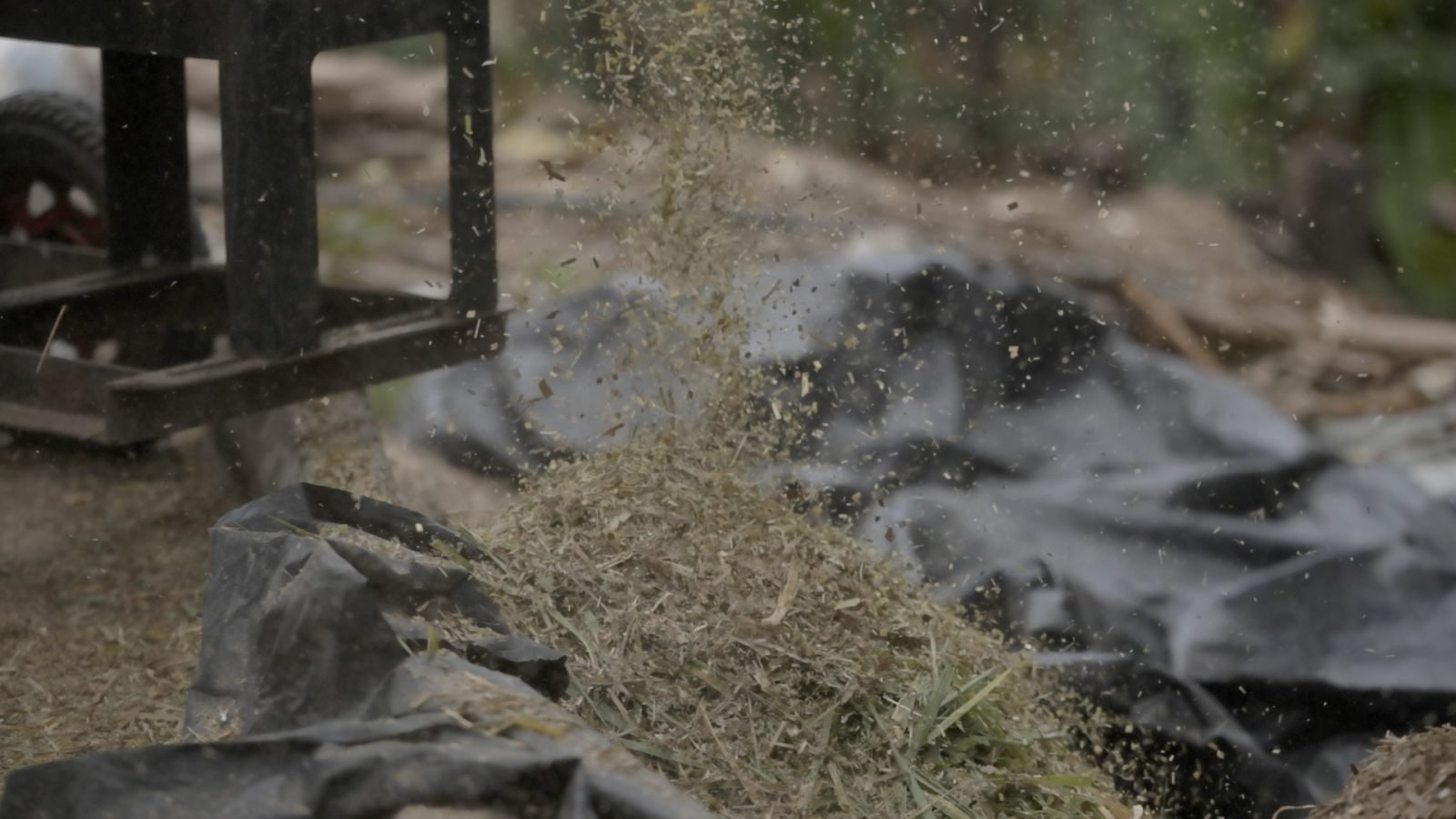
Grass goes through the chaff cutter, which chops it into feed for the cattle.
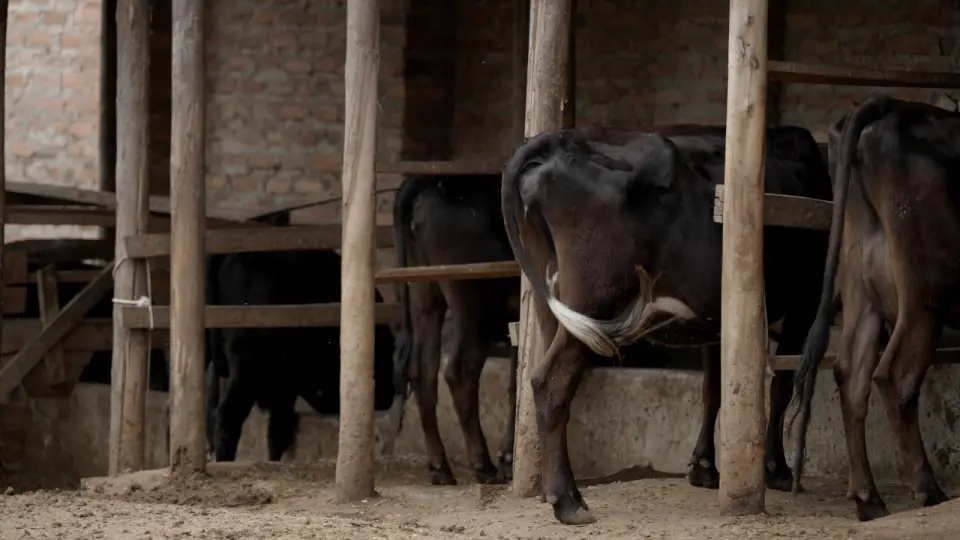
Dairy
Livestock supports food, manure, household income and the farm’s dairy value chain, which ends in BetterLife Ghee and Yoghurt.
Biogas
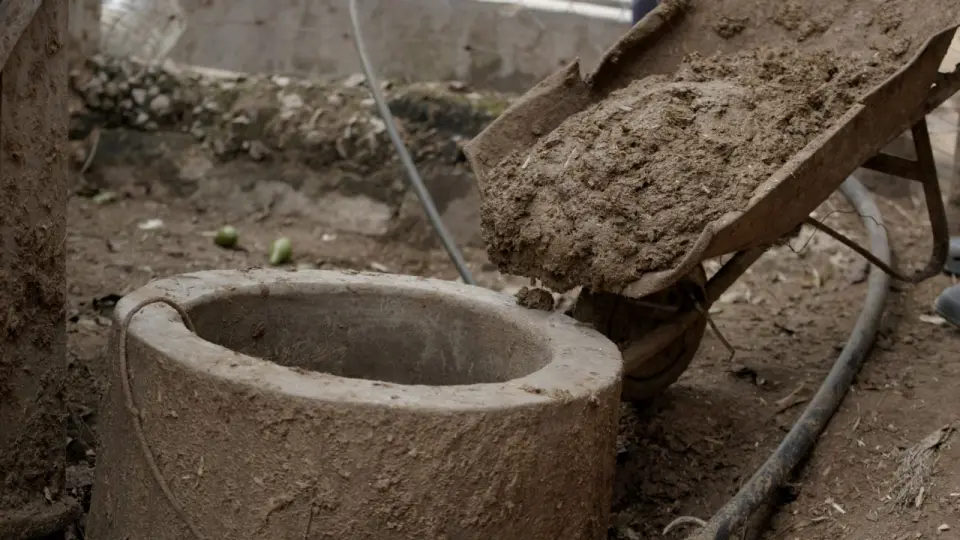
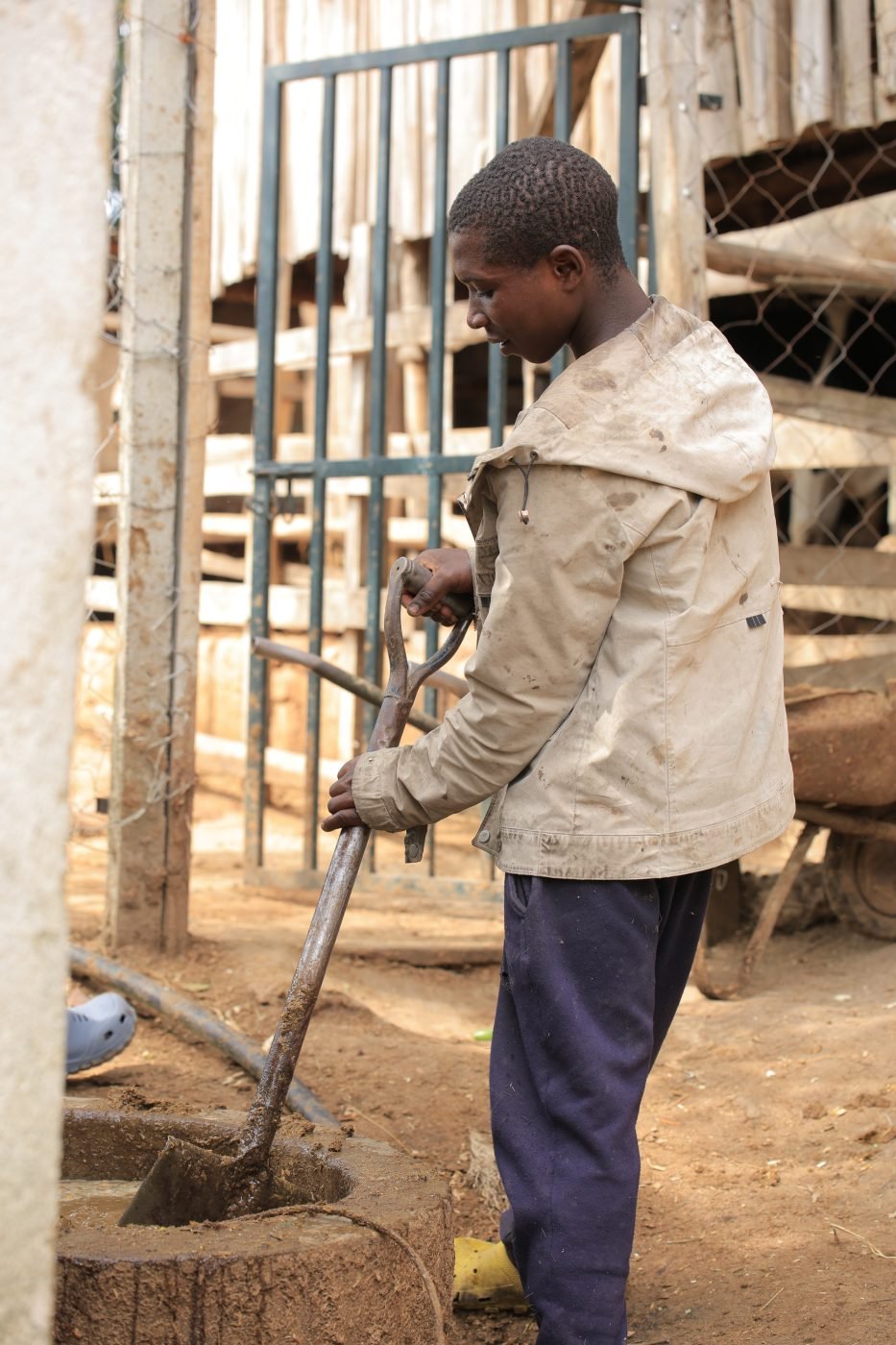
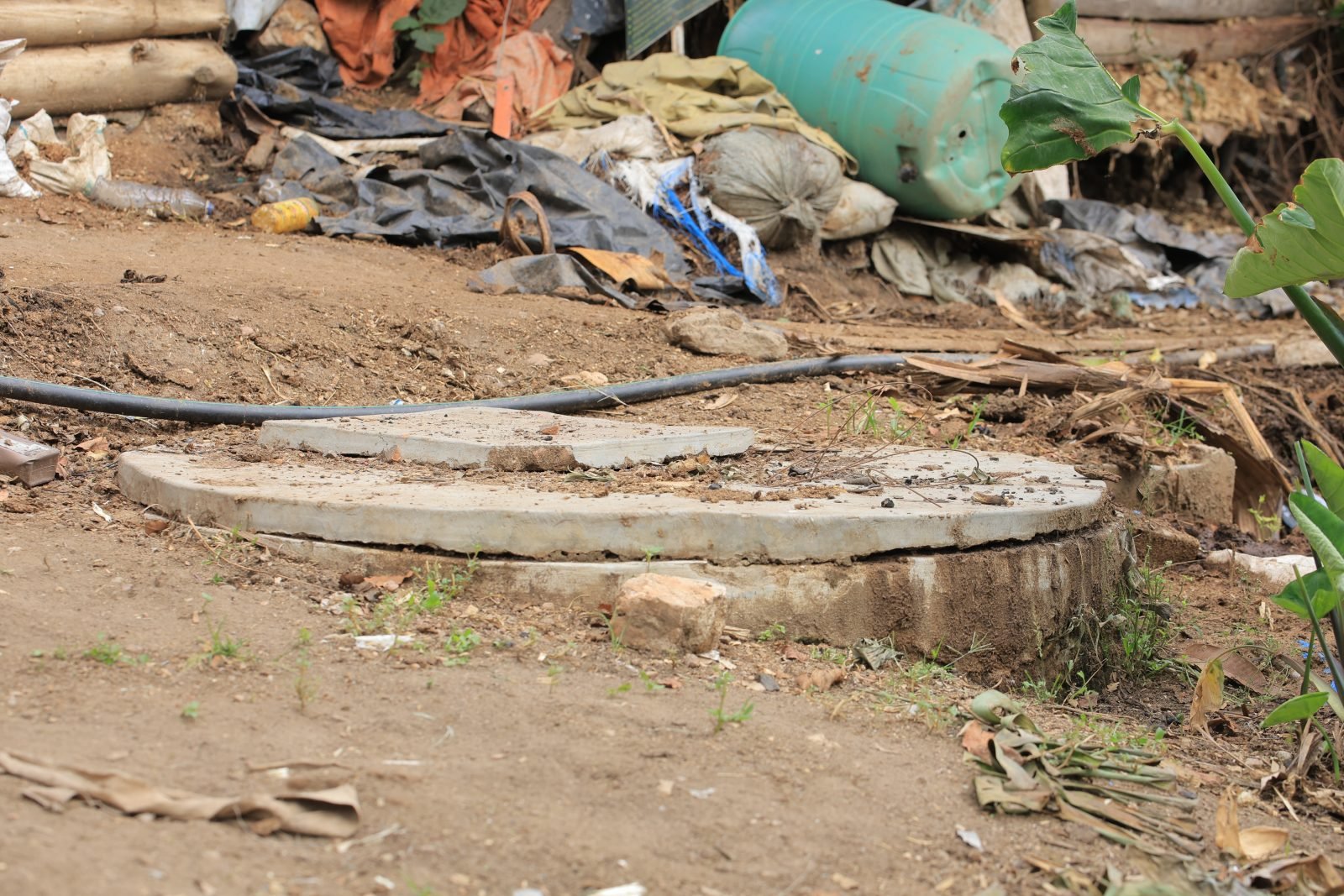
Dung from the cattle shed is wheeled to the biogas digester, which turns it into a clean fuel.
Solar water
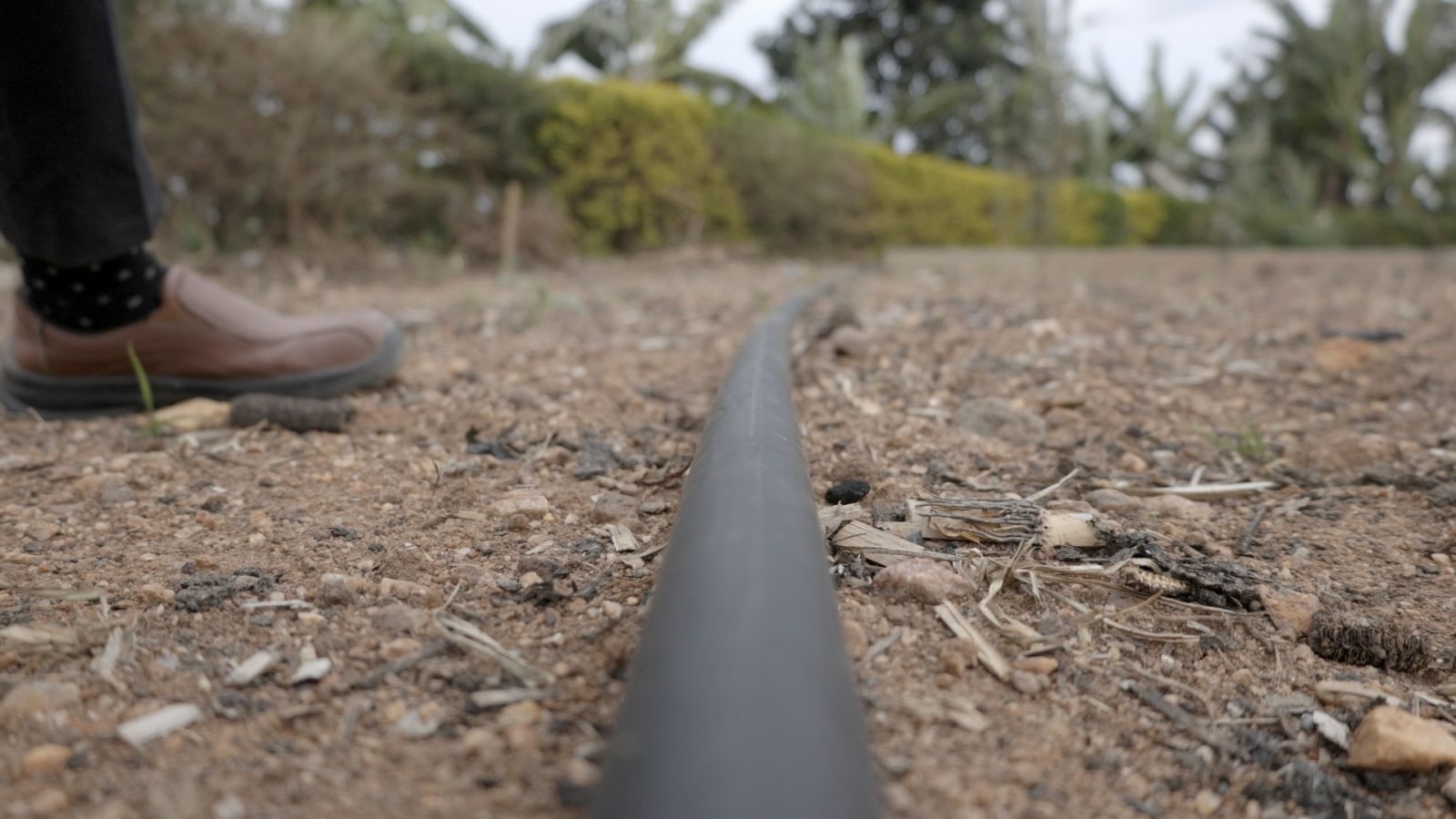
Solar energy pumps water and feeds the drip lines, so crops keep growing when rainfall is unreliable.
Crops
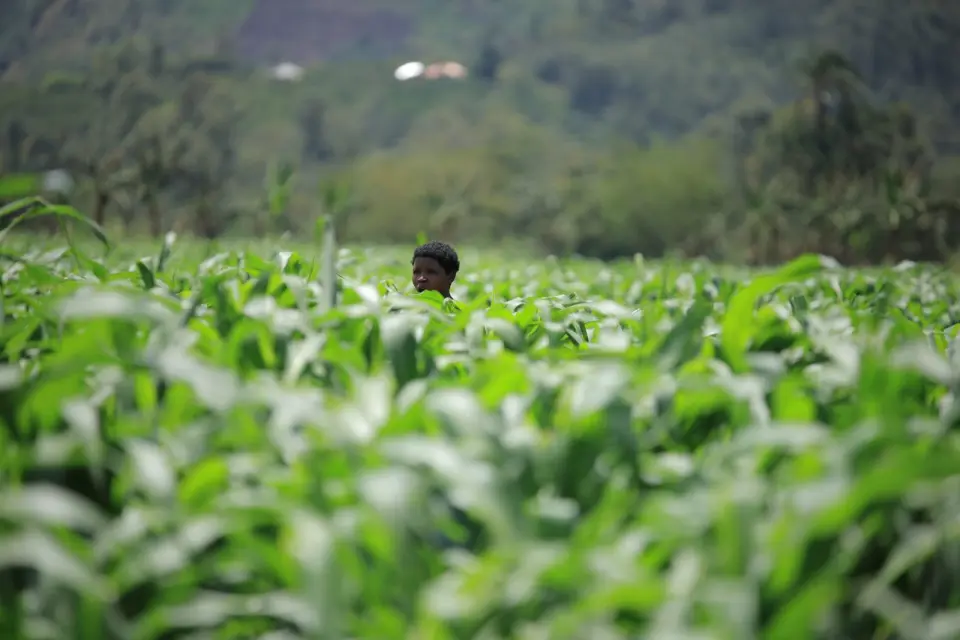
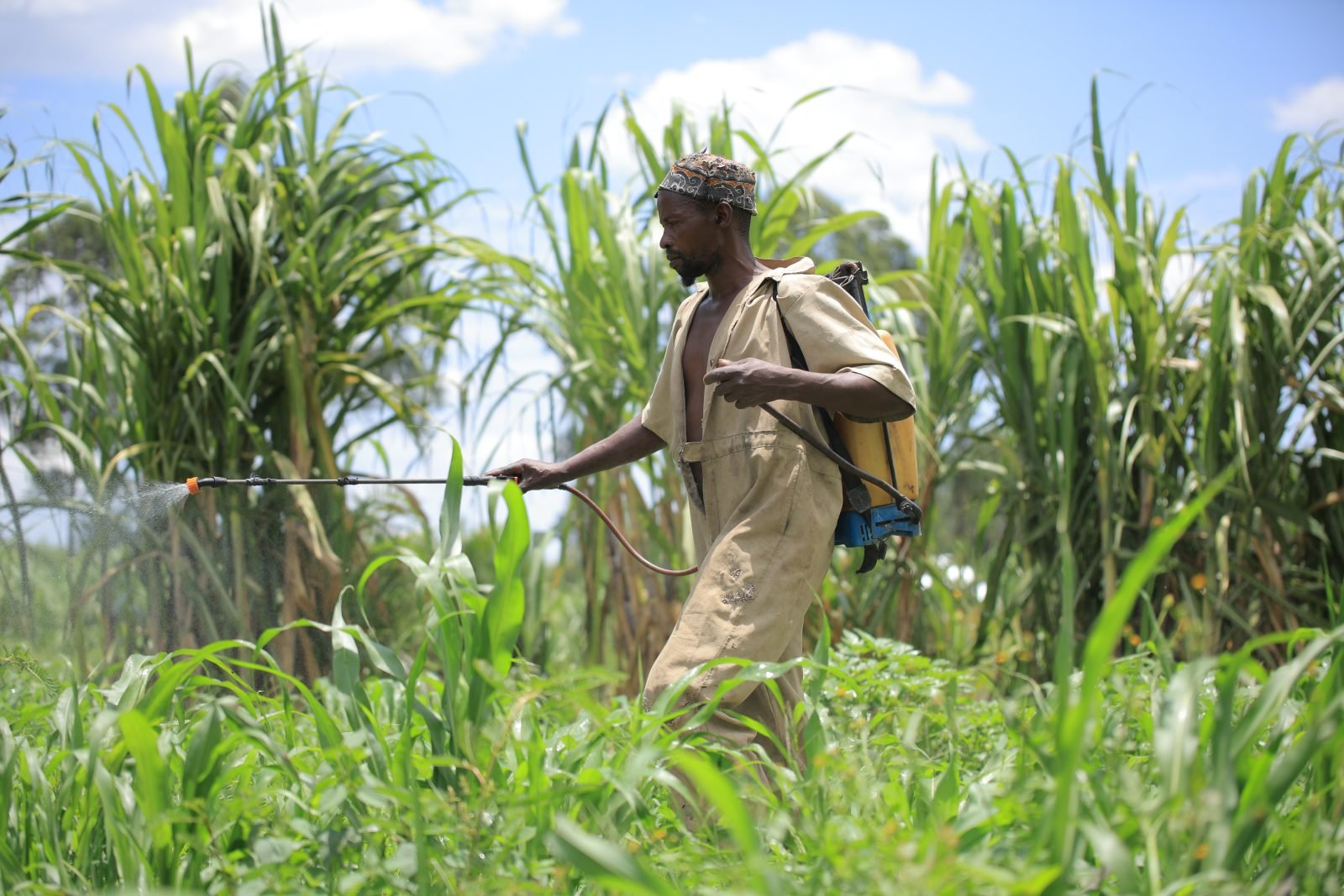
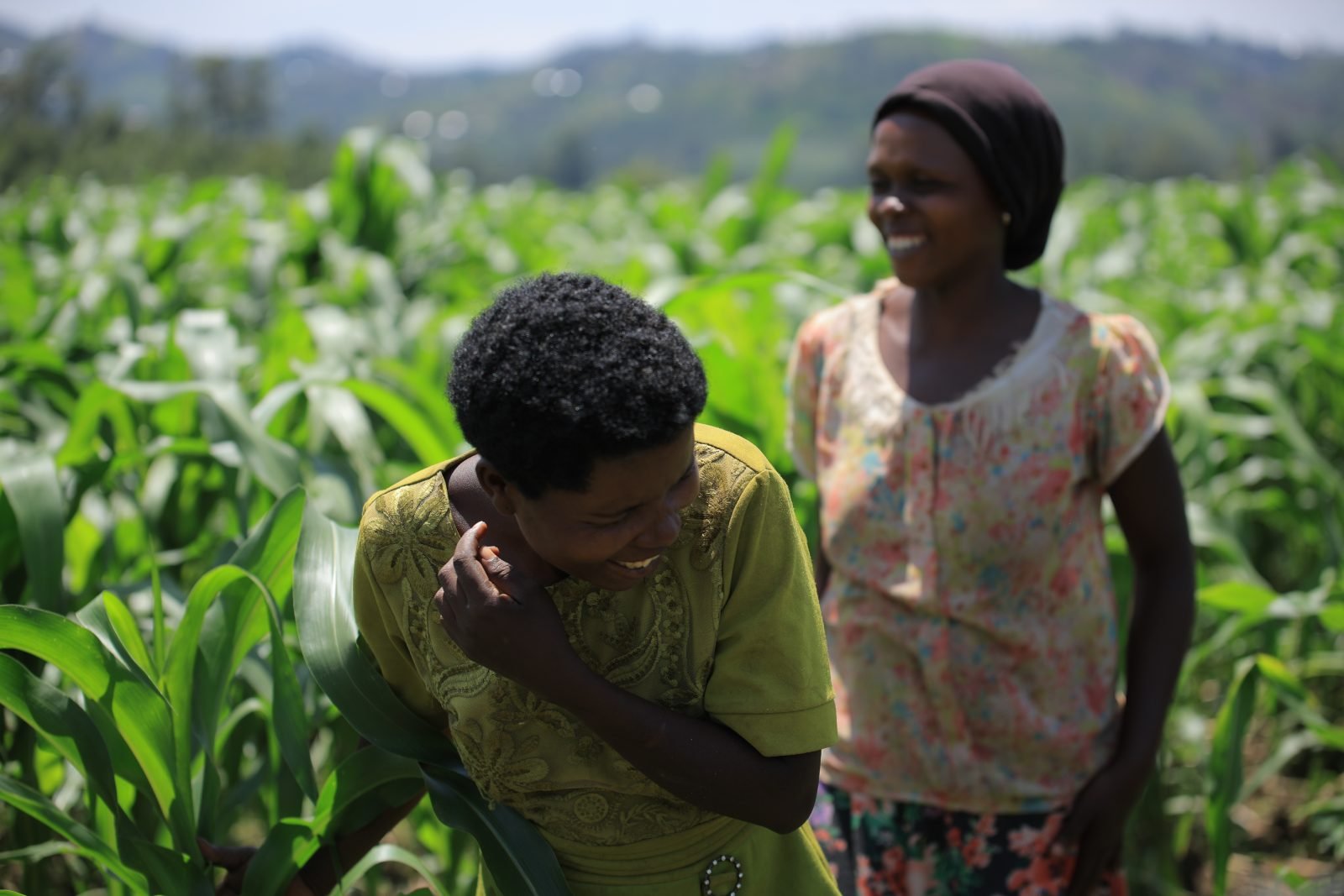
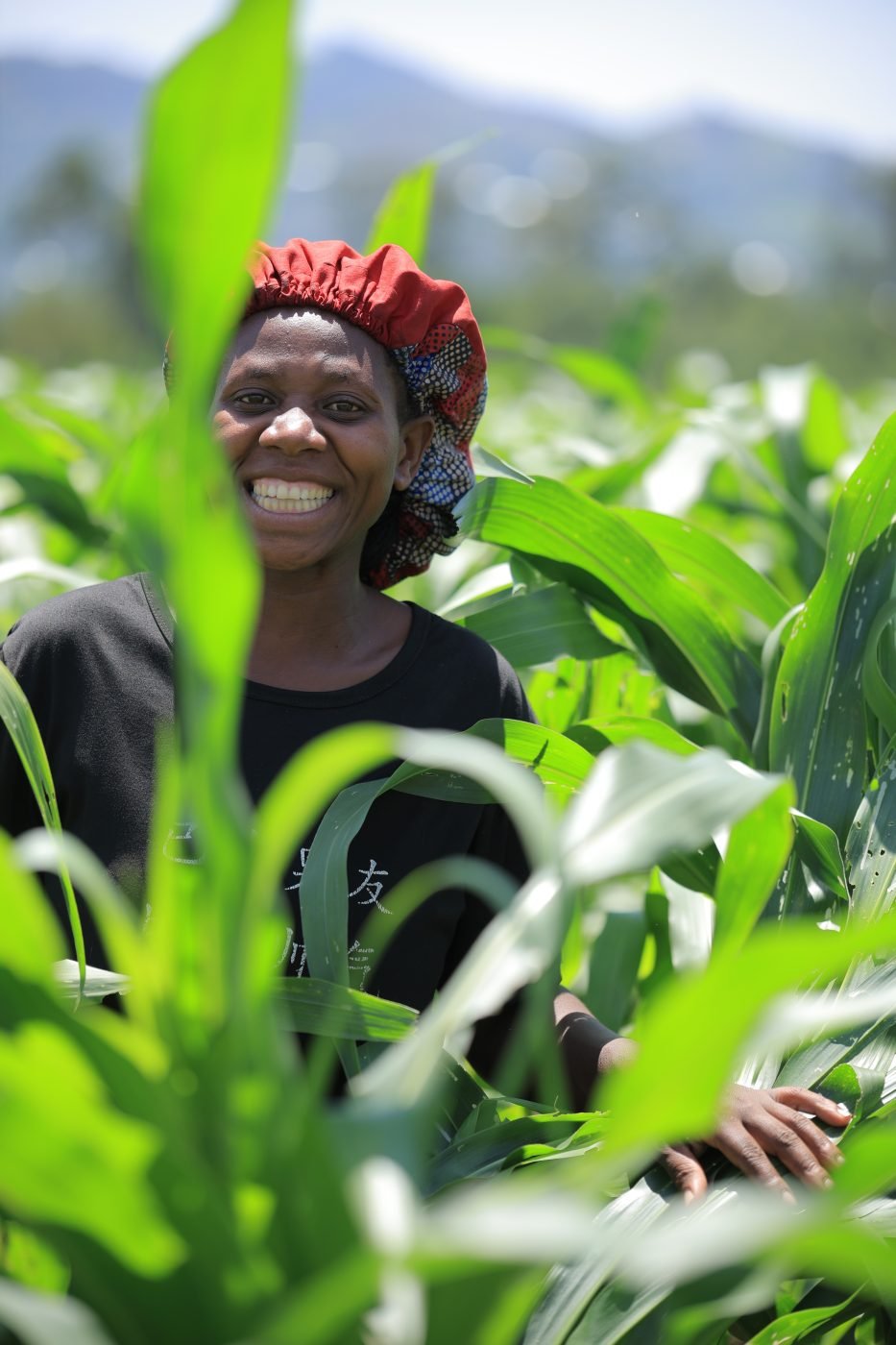
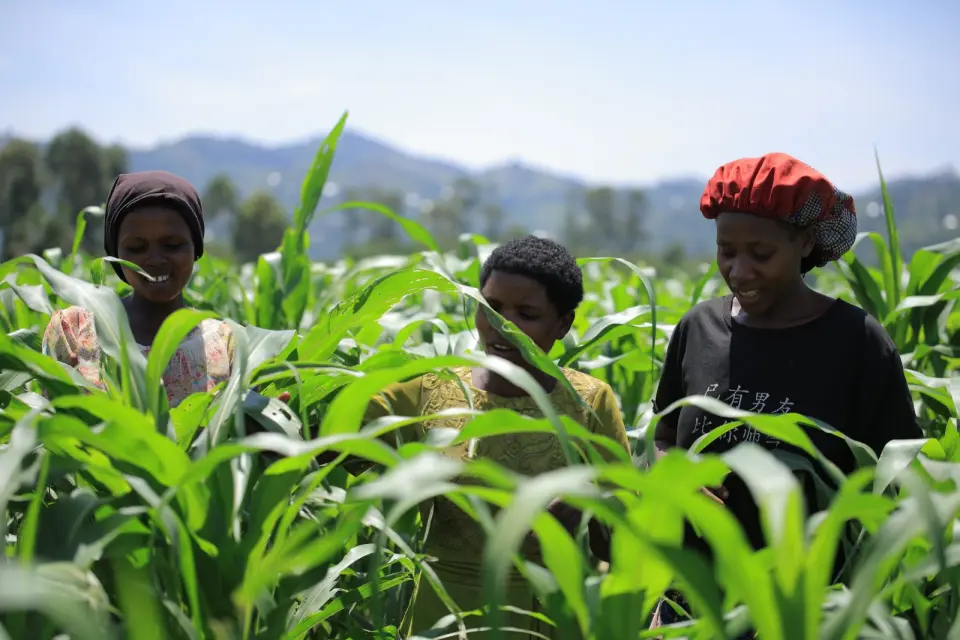
Maize, soya and vegetables grow in the farm’s fields and demonstration gardens, where farmers learn water-efficient production, soil management and crop care.
Poultry and bees
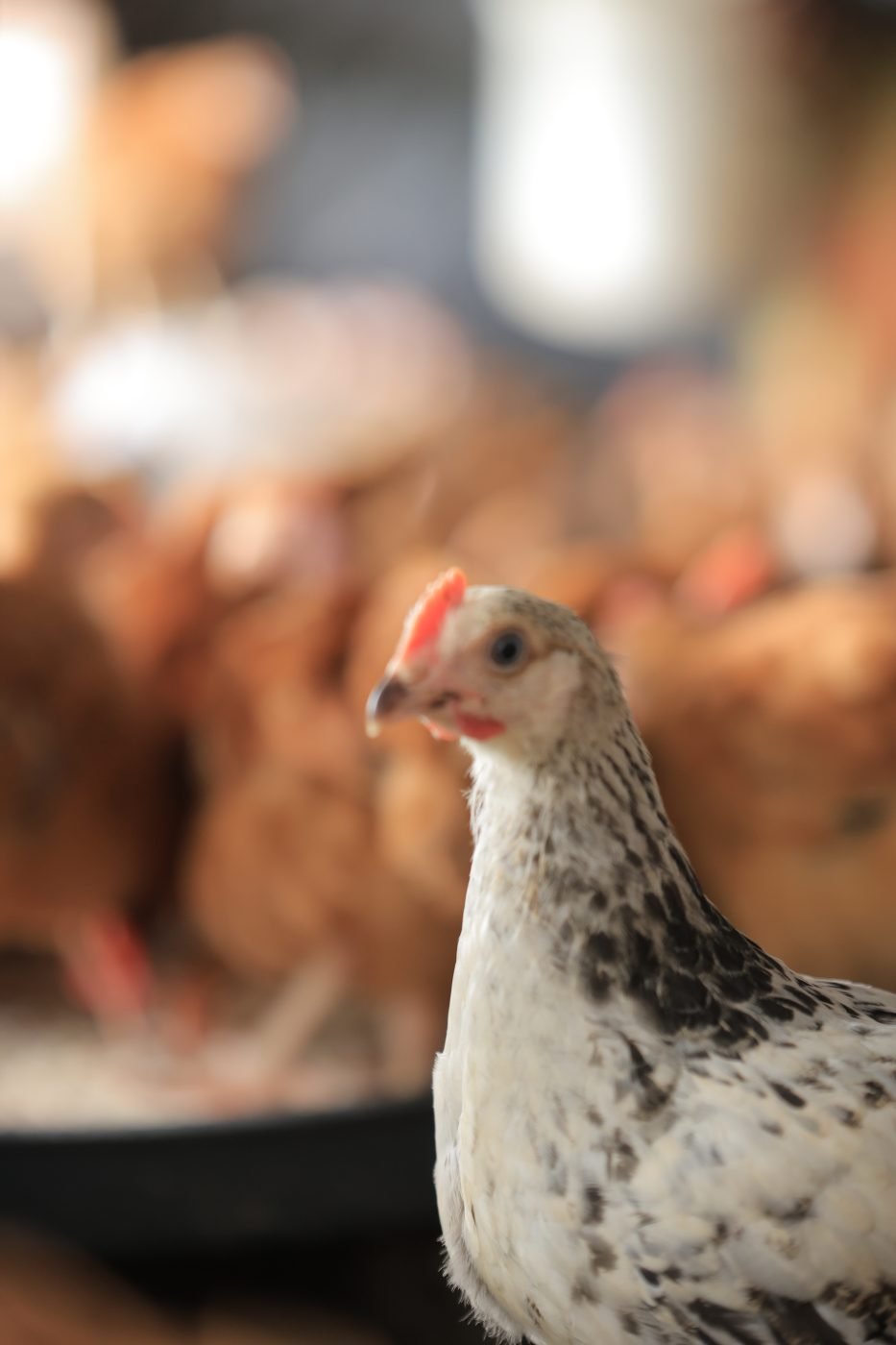
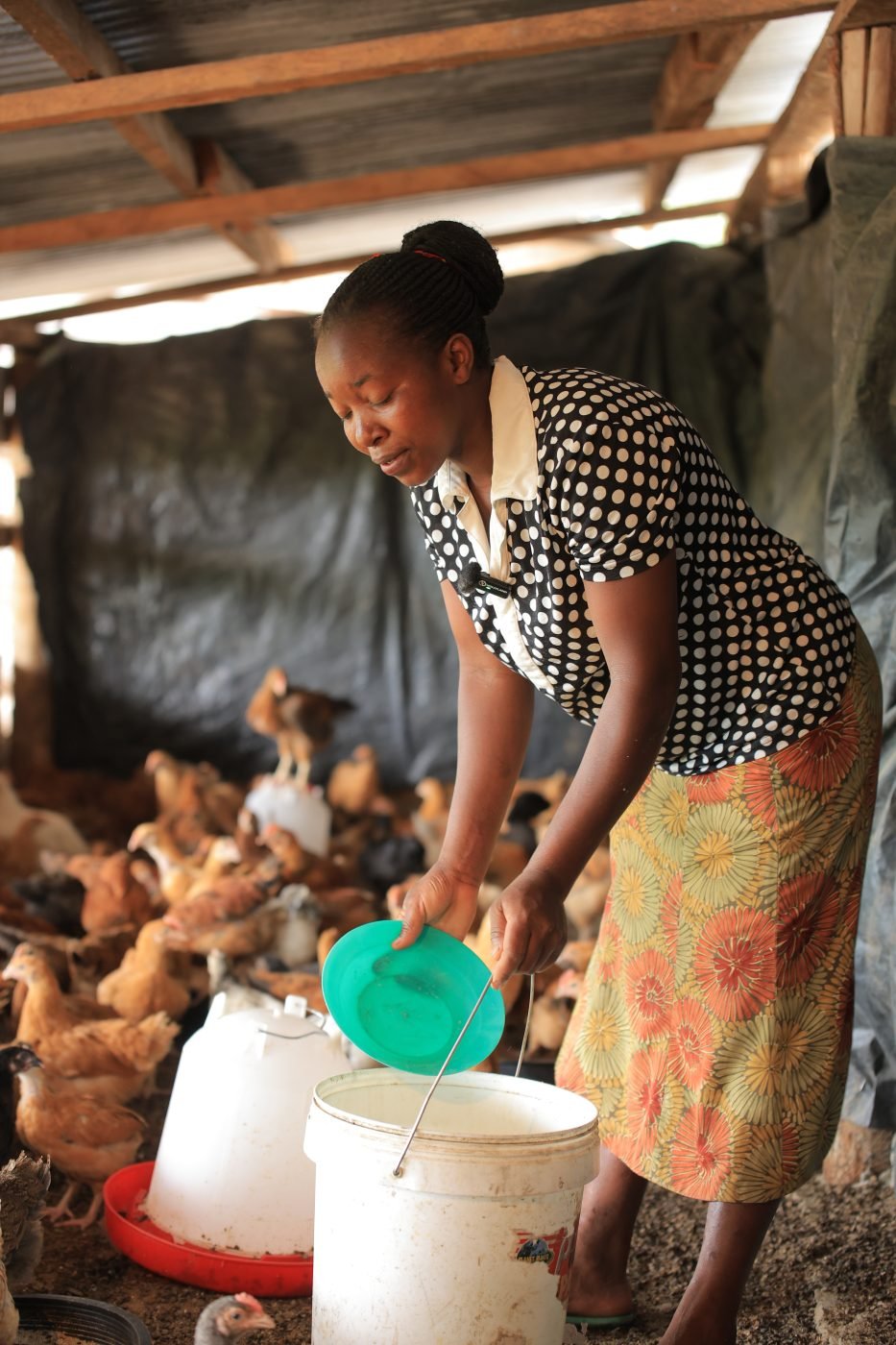
Poultry and beekeeping spread the risk, so no household depends on one crop or one season. Beekeeping also protects trees and flowering plants.
What the harvest becomes
Training has limited value if a farmer produces and cannot sell. BetterLife Agro Tourism Farm Ltd buys, processes and markets produce from the farm and from participating farmers.
Comes in
- Maize and soyaFrom the farm and participating farmers
- Milk and butterSurplus bought from community farmers
- HoneyFrom community beekeepers
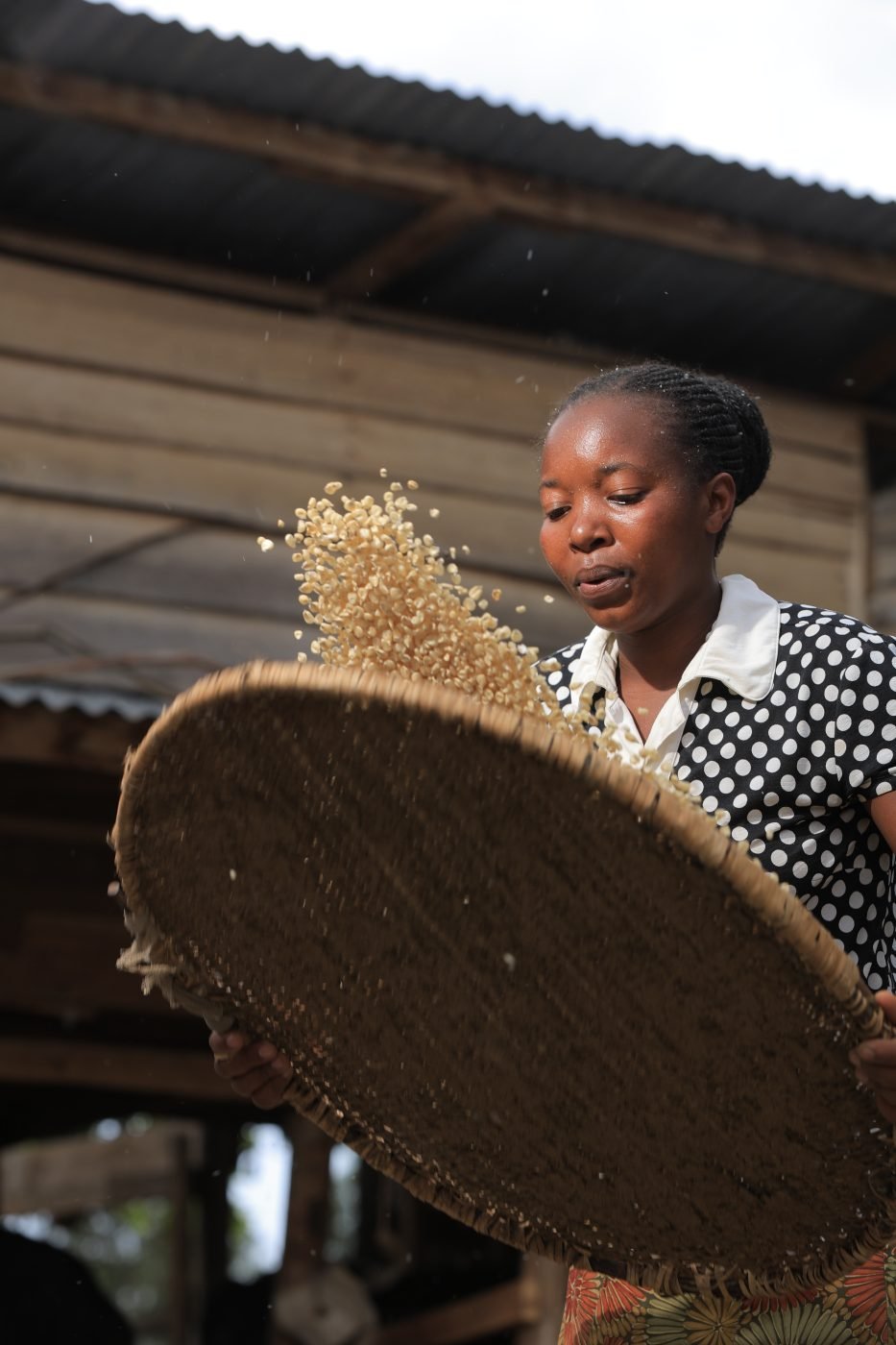
BetterLife Agro Tourism Farm LtdBuys, processes, packs and sells
Goes out
-
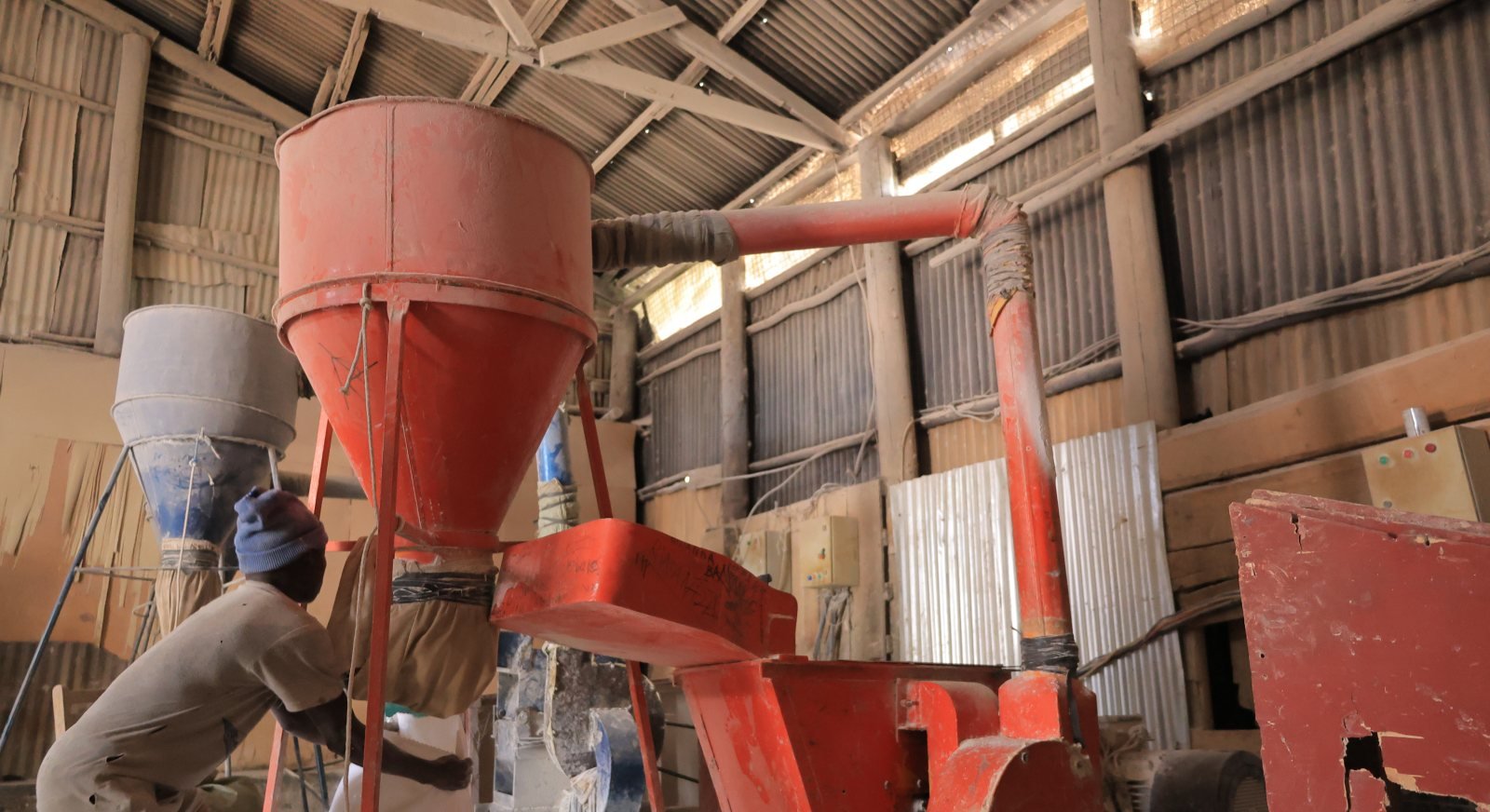
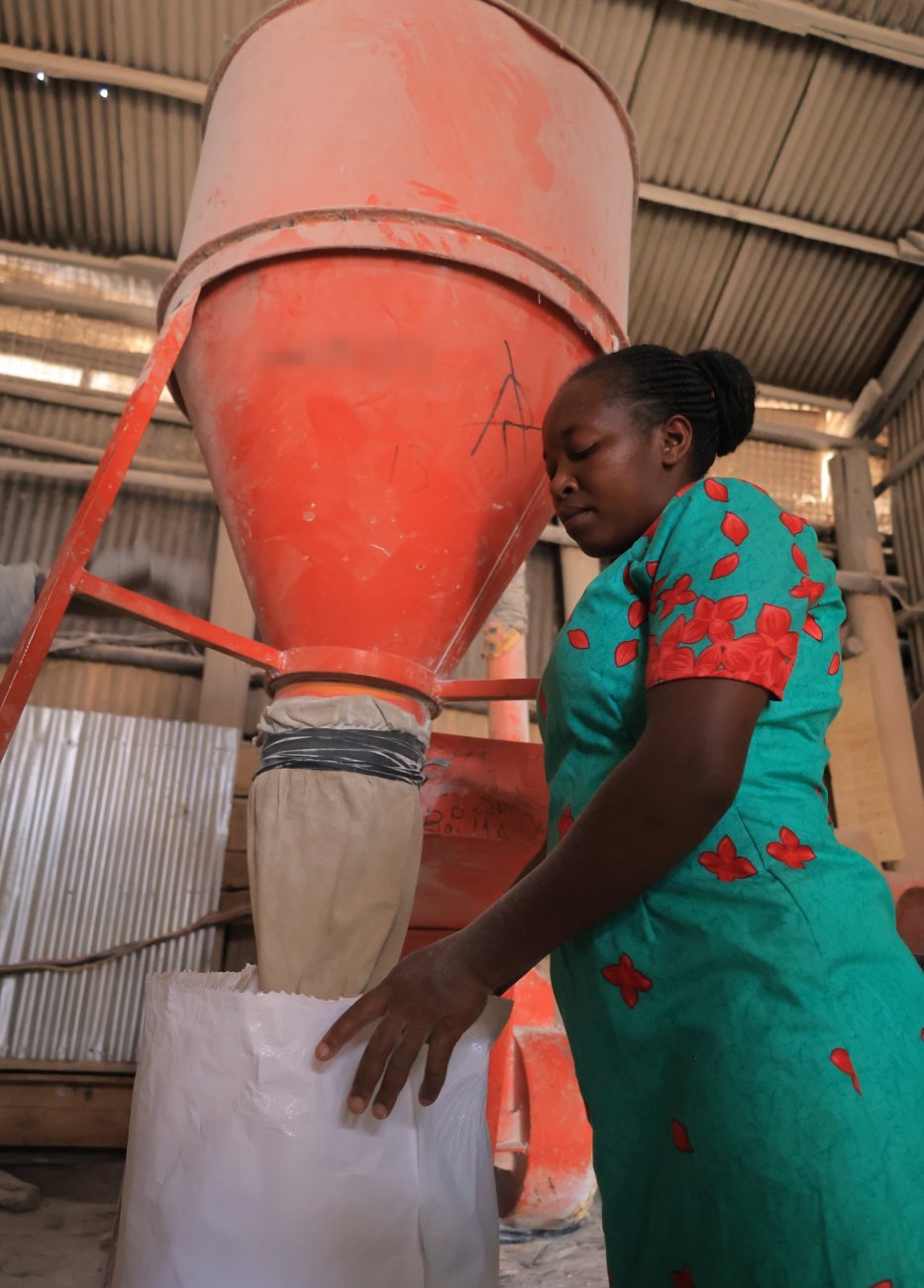 Maize and soya flourMilled and bagged at the farm
-
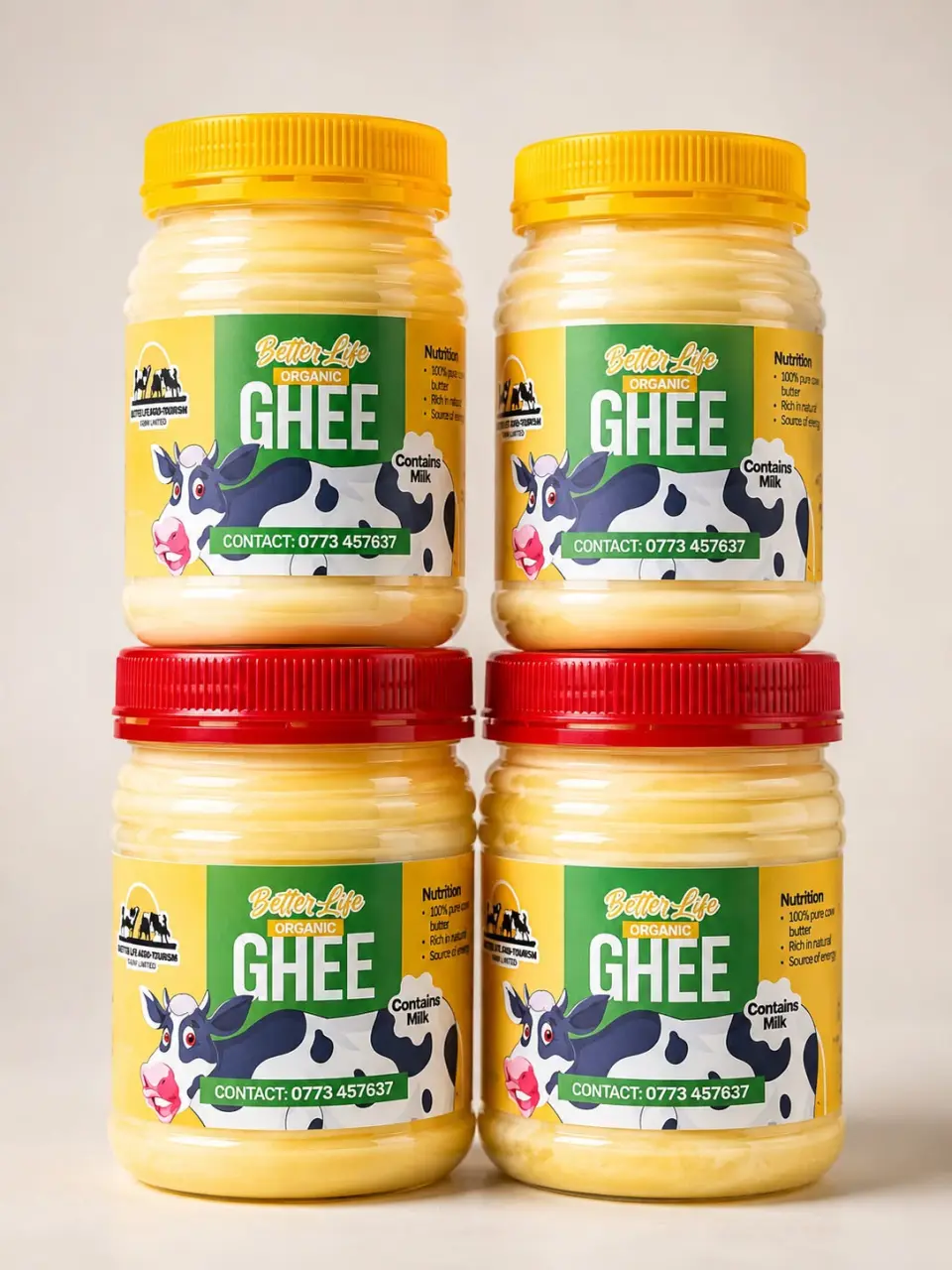 BetterLife Ghee1 kg jar
UGX 30,000about USD 7.59
BetterLife Ghee1 kg jar
UGX 30,000about USD 7.59
-
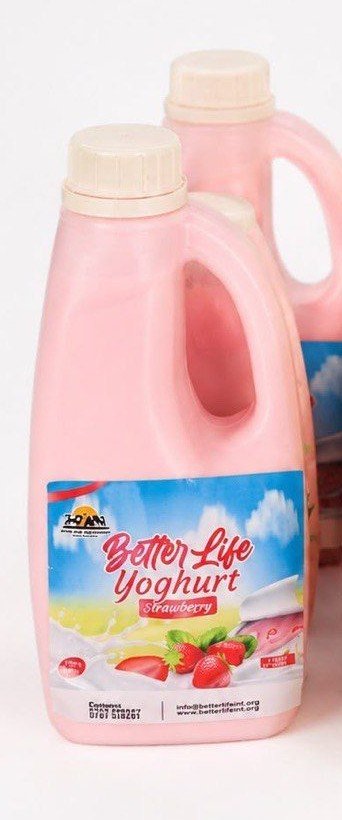 BetterLife Yoghurt, Strawberry1 litre
UGX 7,000about USD 1.77
BetterLife Yoghurt, Strawberry1 litre
UGX 7,000about USD 1.77
-
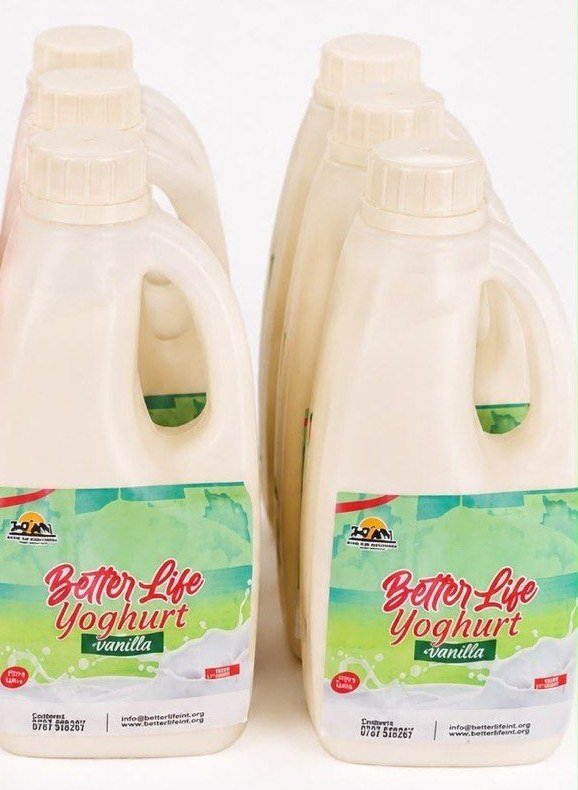 BetterLife Yoghurt, Vanilla1 litre
UGX 7,000about USD 1.77
BetterLife Yoghurt, Vanilla1 litre
UGX 7,000about USD 1.77
-
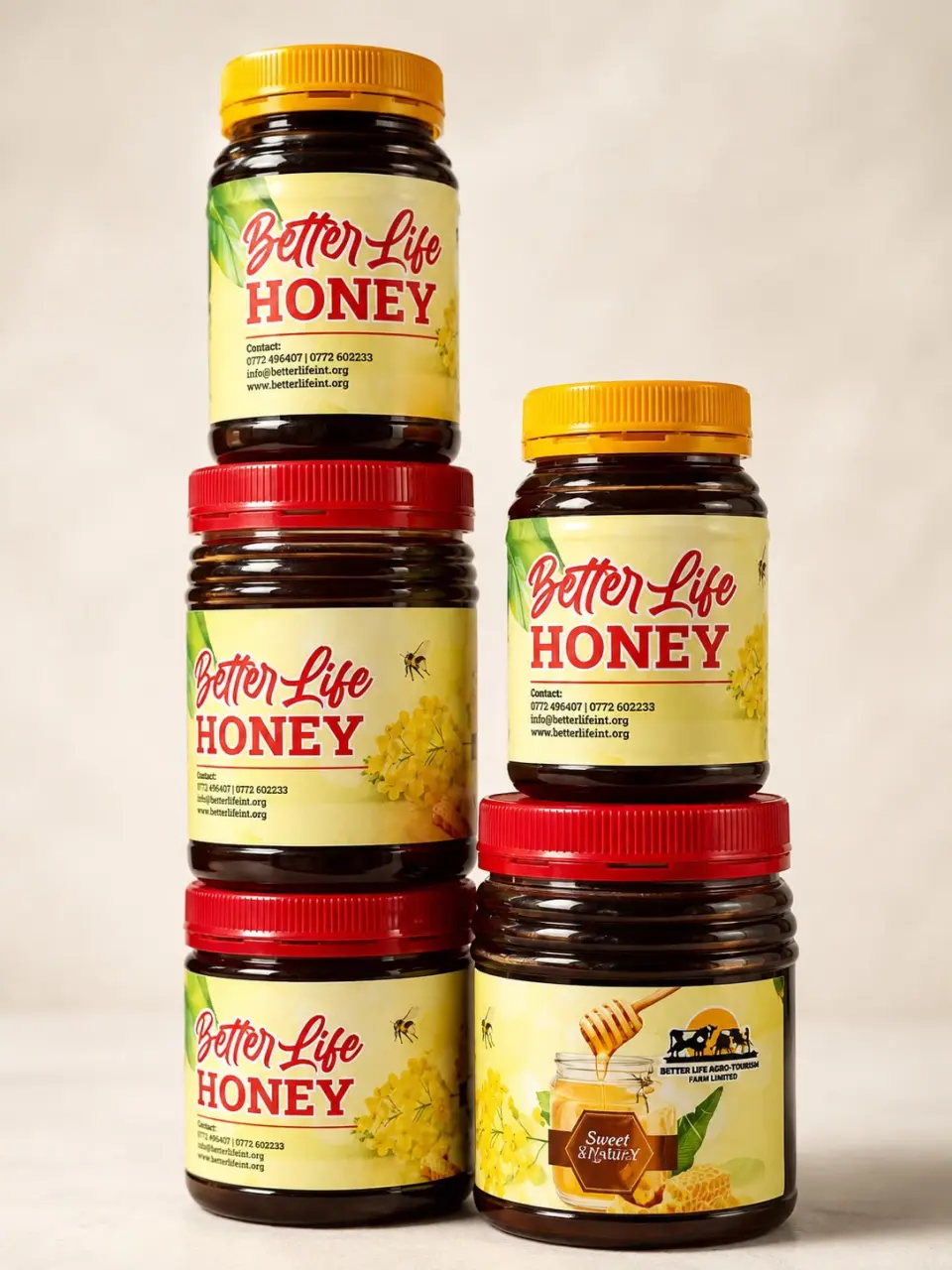 BetterLife Honey1 kg jar
UGX 30,000about USD 7.59
BetterLife Honey1 kg jar
UGX 30,000about USD 7.59
-
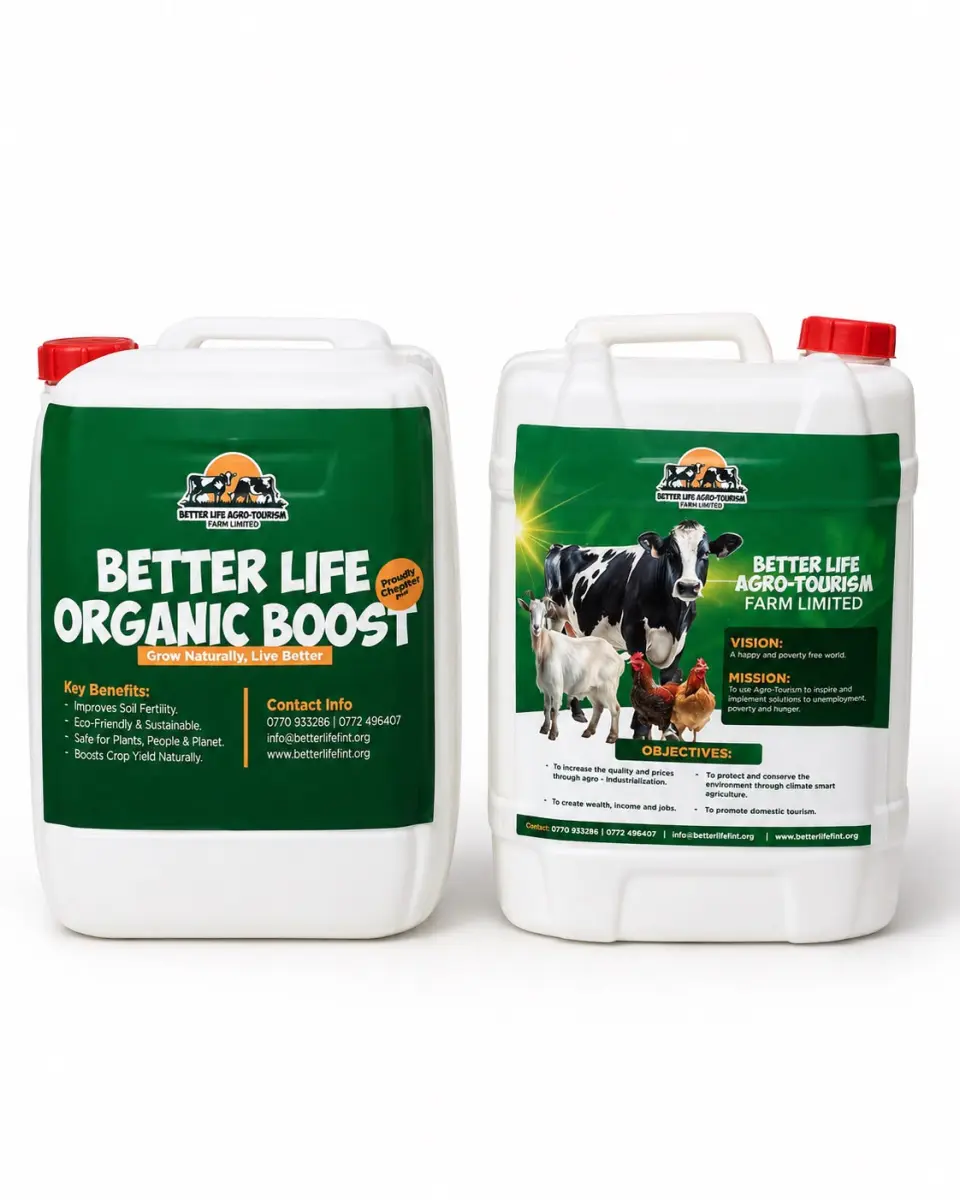 BetterLife Organic Boost20 litre jerrycan
UGX 100,000about USD 25.32
BetterLife Organic Boost20 litre jerrycan
UGX 100,000about USD 25.32
The farm buys their surplus, adds value and sells it, so every purchase helps keep that market open for refugee, displaced and host-community families.
Visit the shopFodder, fuel, flour and fields

Come and see it working
Schools, farmers, community groups, development partners and visitors can experience how solar energy, irrigation, livestock, beekeeping and food processing work together.
- Solar-Powered IrrigationWater is pumped and distributed using solar energy, helping crops survive when rainfall is unreliable.
- Greenhouse and Crop FarmingFarmers learn water-efficient production, soil management, crop care and methods suited to limited land.
- Dairy and LivestockLivestock supports food, manure, household income and the farm’s dairy value chain.
- BeekeepingCommunity beekeeping creates income while encouraging the protection of trees and flowering plants.
- Poultry and AquacultureDiversified production reduces the risk of depending on one crop or one season.
- SeedlingsParticipants receive free seedlings to establish gardens of their own and begin moving towards independent production.
Help more families grow their own food
Fund seedlings and starter inputs for a season, back processing at the farm, or buy what the farm makes. Every route keeps the harvest moving.