Area of Work
Climate-Resilient Agriculture and Food Security
When the rains become unreliable, the first loss may be a crop. What follows can be a loss of income, fewer meals, unpaid school costs and debt carried into the next season.
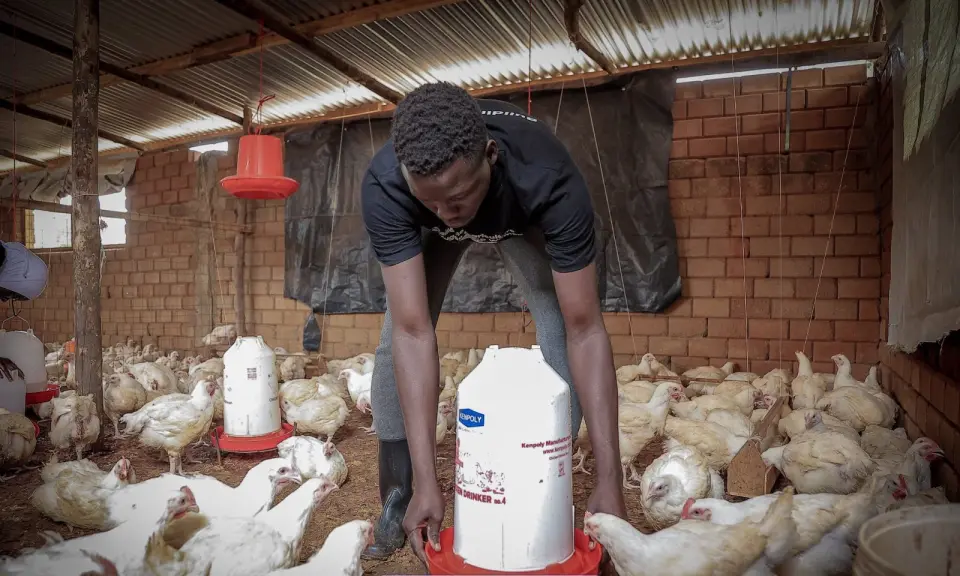
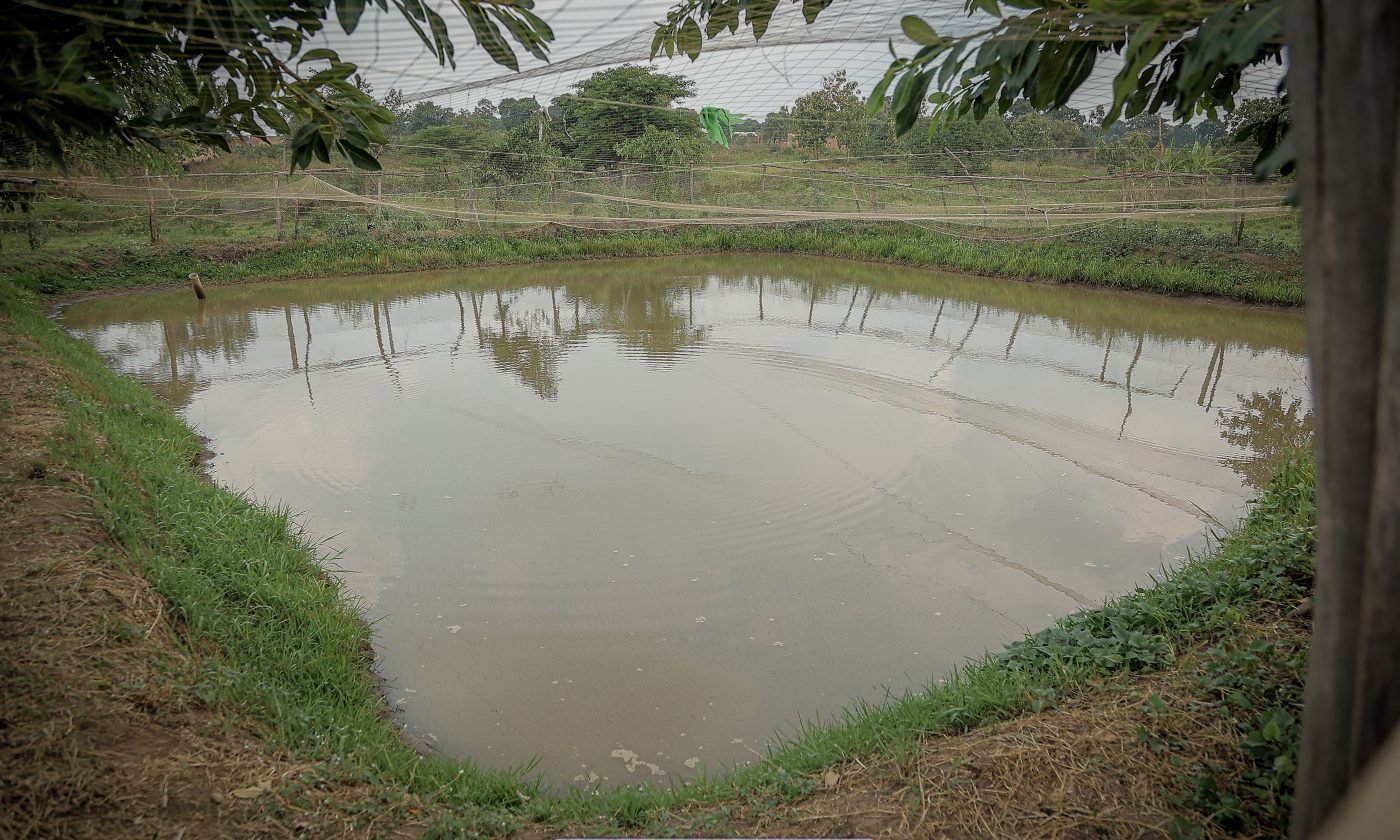
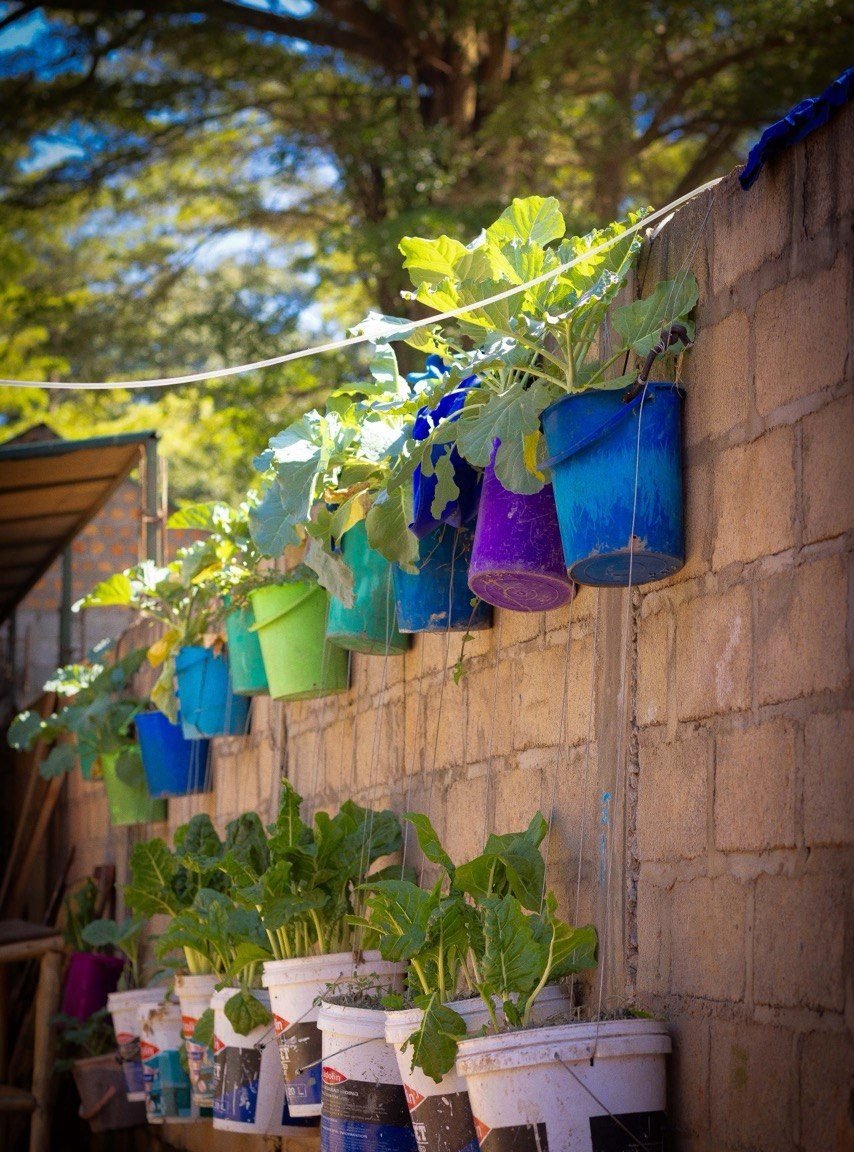
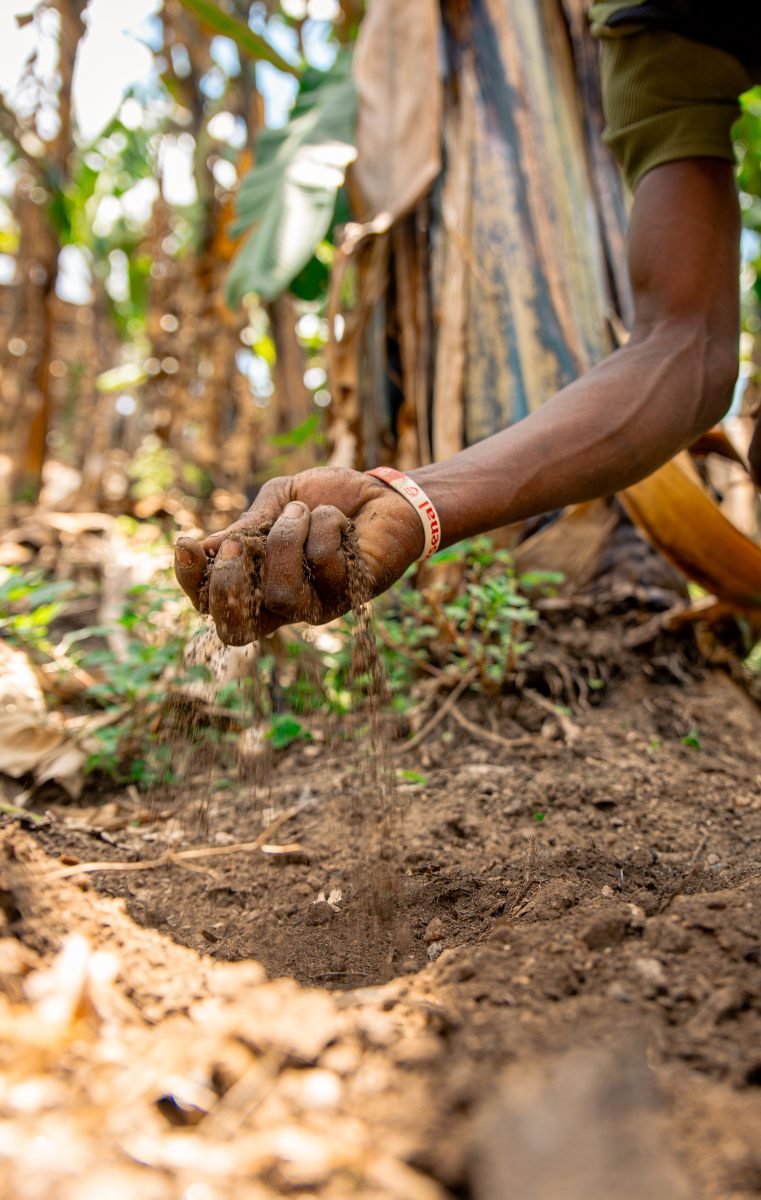
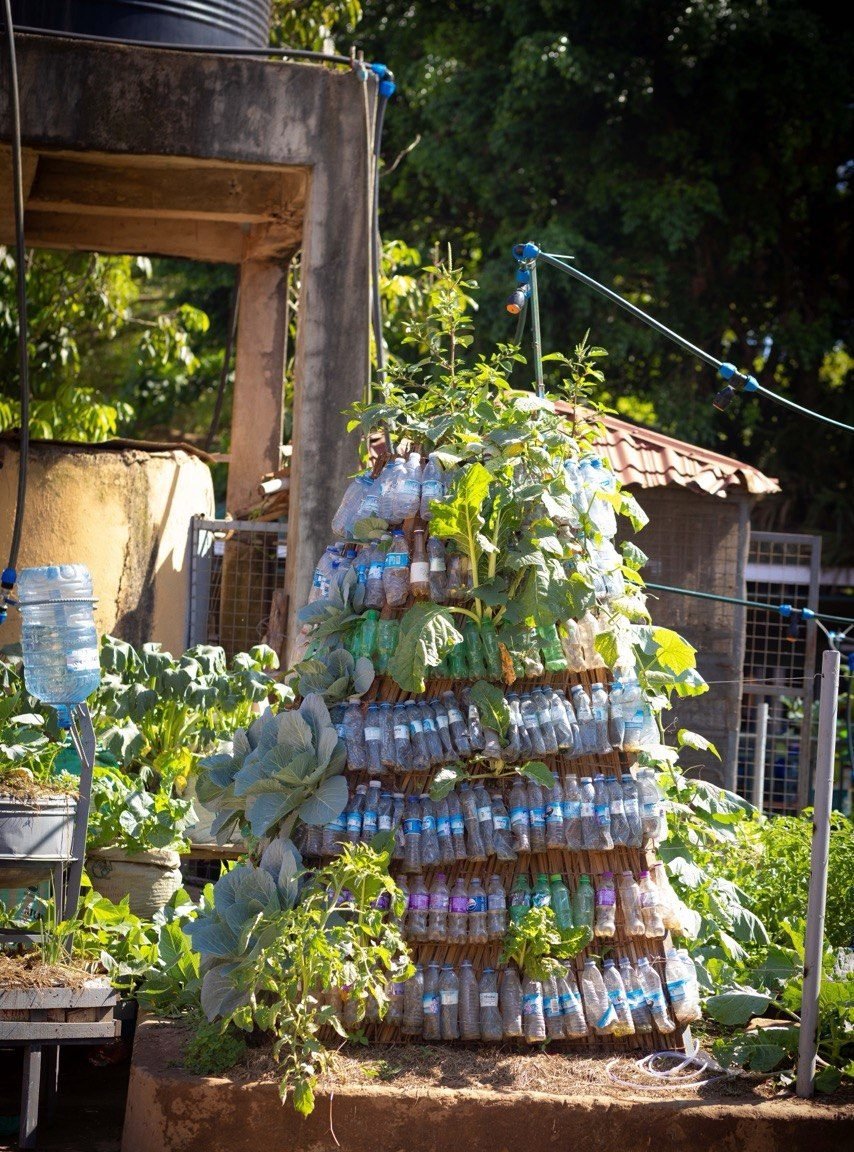
BetterLife works with farmers, women, refugees and vulnerable households to make food production more reliable. We use demonstration gardens and practical training in composting, mulching, water conservation, drought-tolerant crops, sack and box gardening, agroforestry, greenhouse farming, irrigation, poultry, aquaculture and beekeeping.
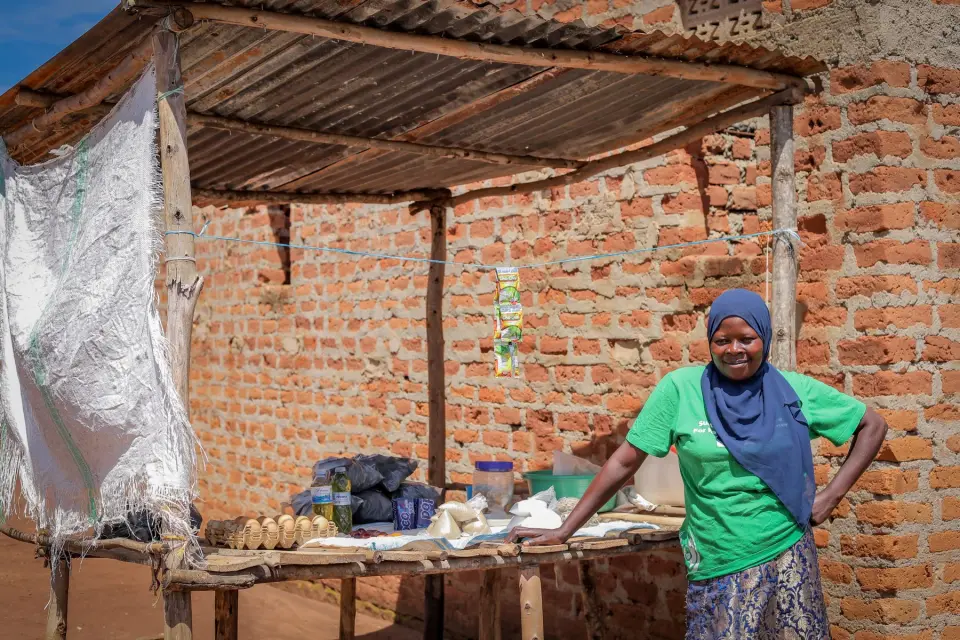
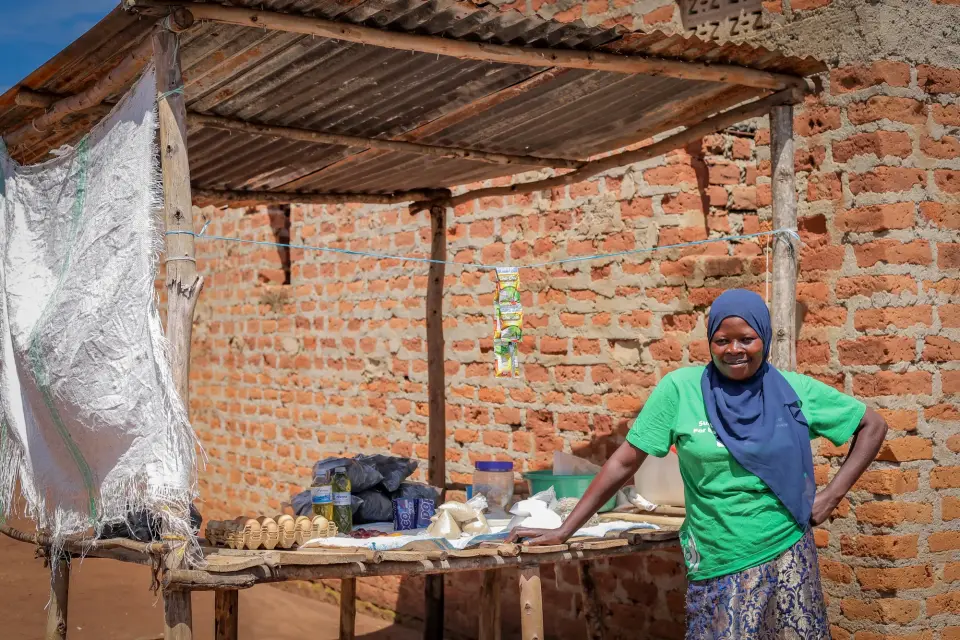
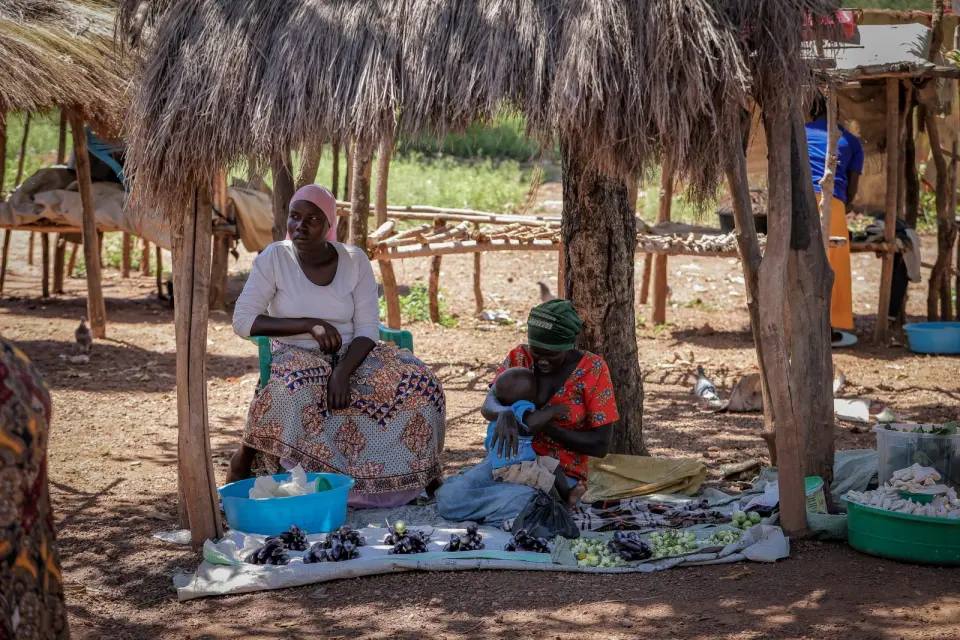
We also help participants think beyond the harvest. Savings groups, enterprise support, digital information and market connections make it more possible for farming to provide both food and income.
Women’s Climate Resilience in Yumbe
Implemented with support from Foundation S – The Sanofi Collective
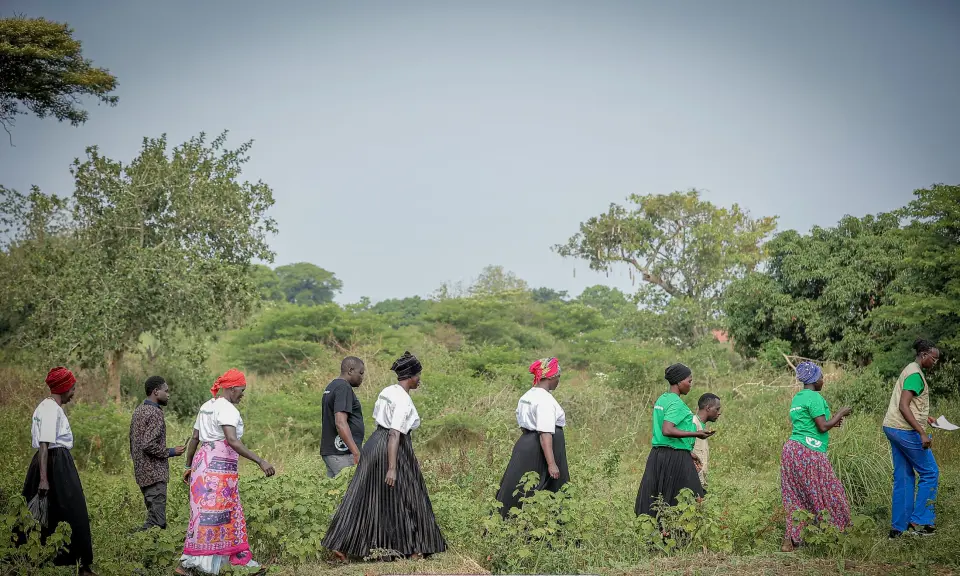
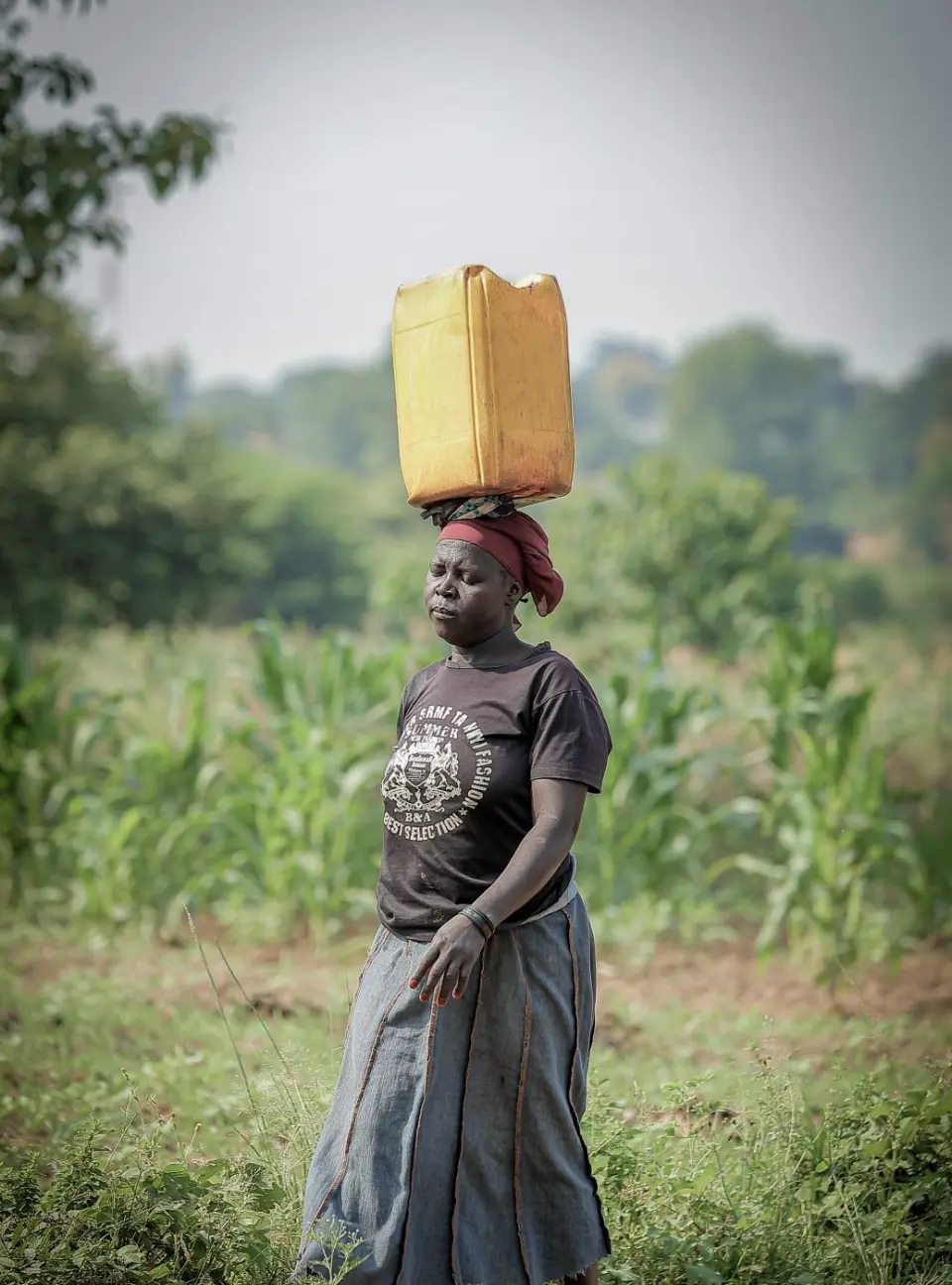
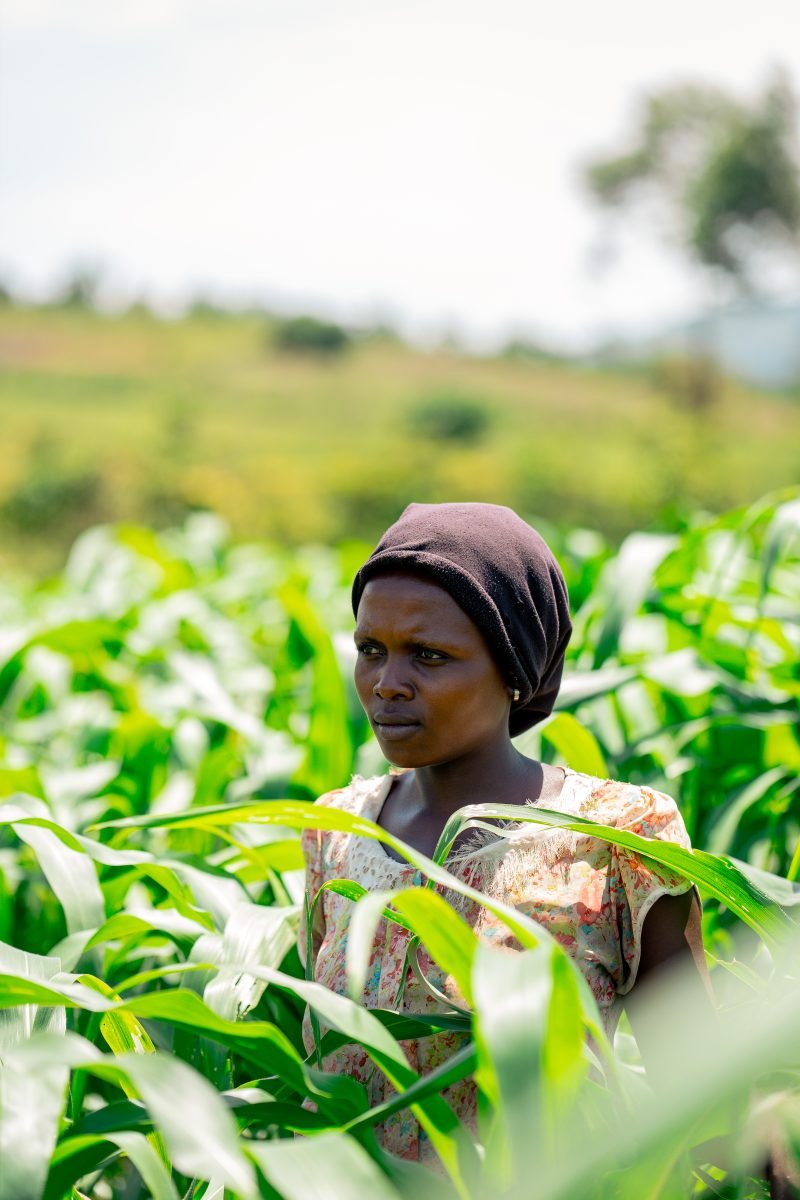
Before the work began, we spoke with 100 women in Yumbe about the way climate pressure was changing their lives. Many were spending around four hours a day collecting water. Some travelled as far as 24 kilometres in search of firewood. Eighty-one per cent had experienced crop failure, and 63 per cent reported having withdrawn a child from school at some point because the household could not meet the cost.
Those answers changed the shape of the project. This could not be a farming course alone.
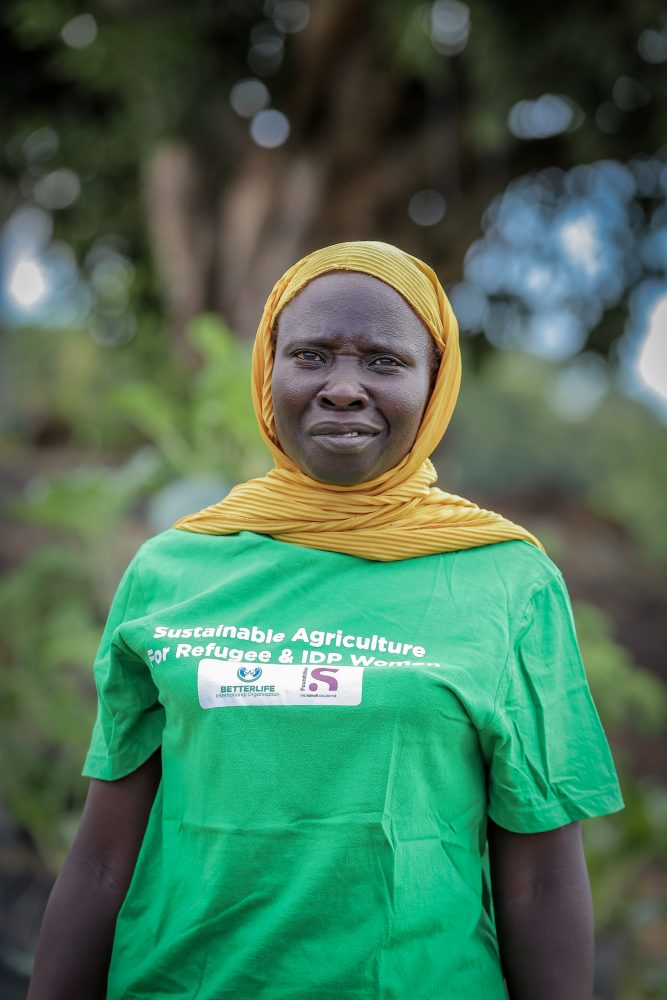
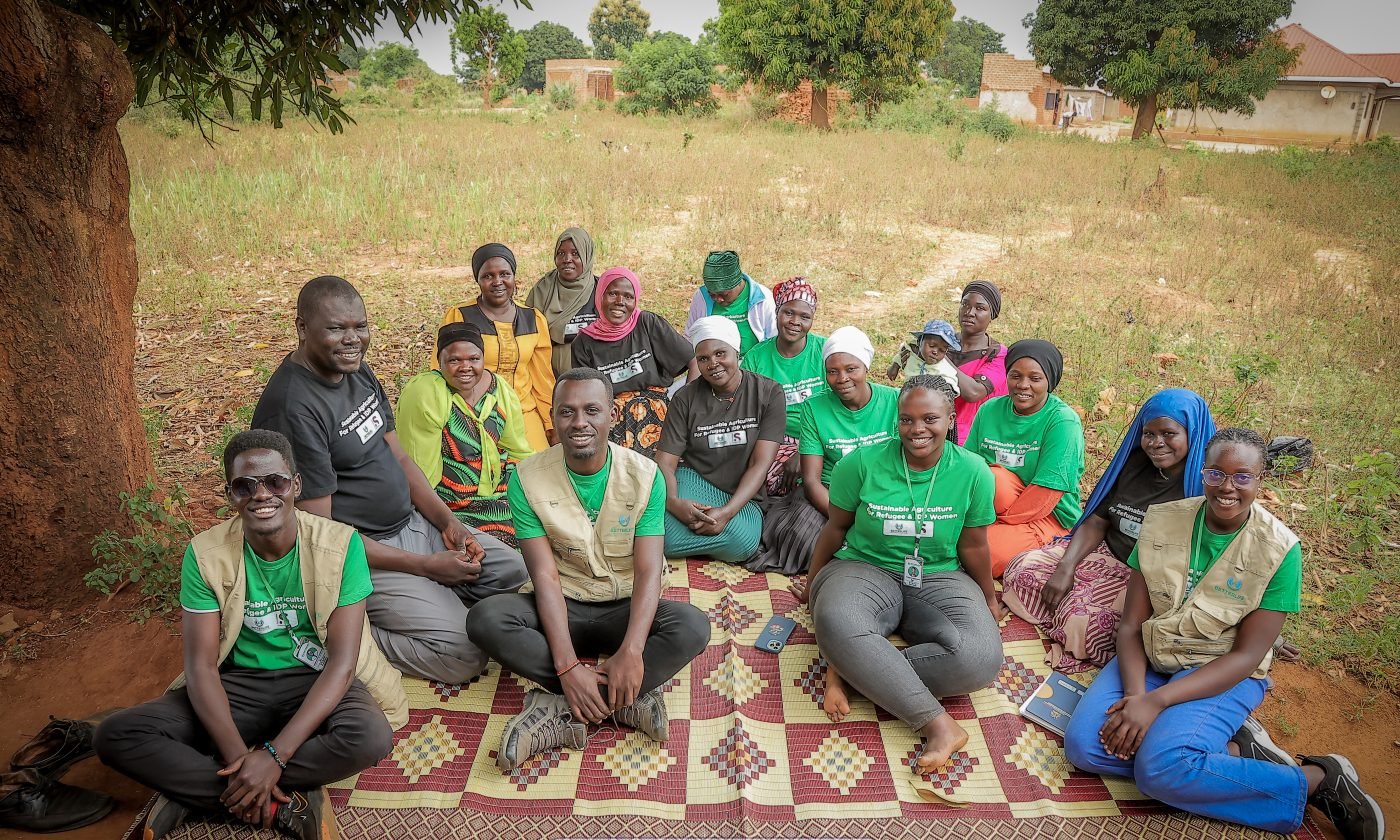
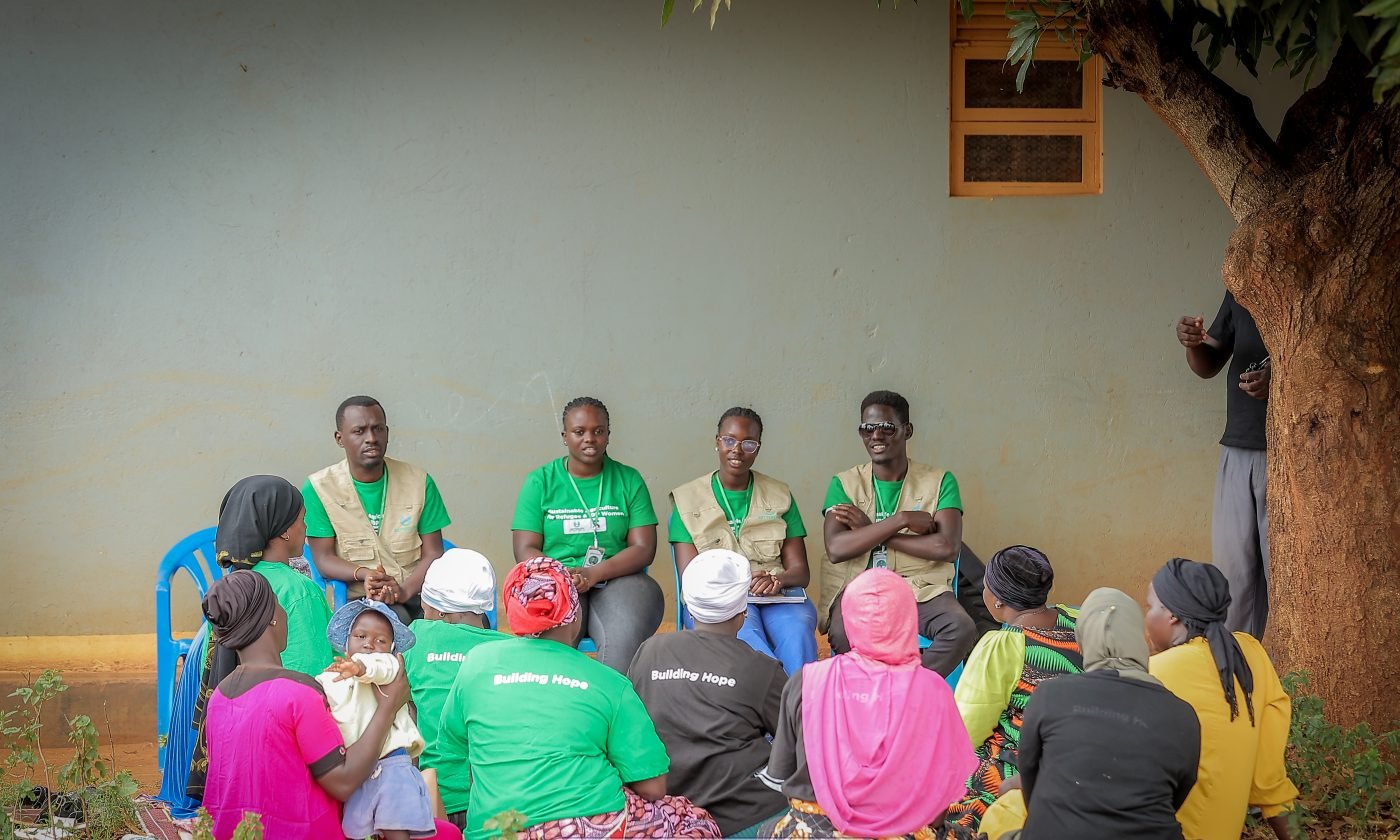
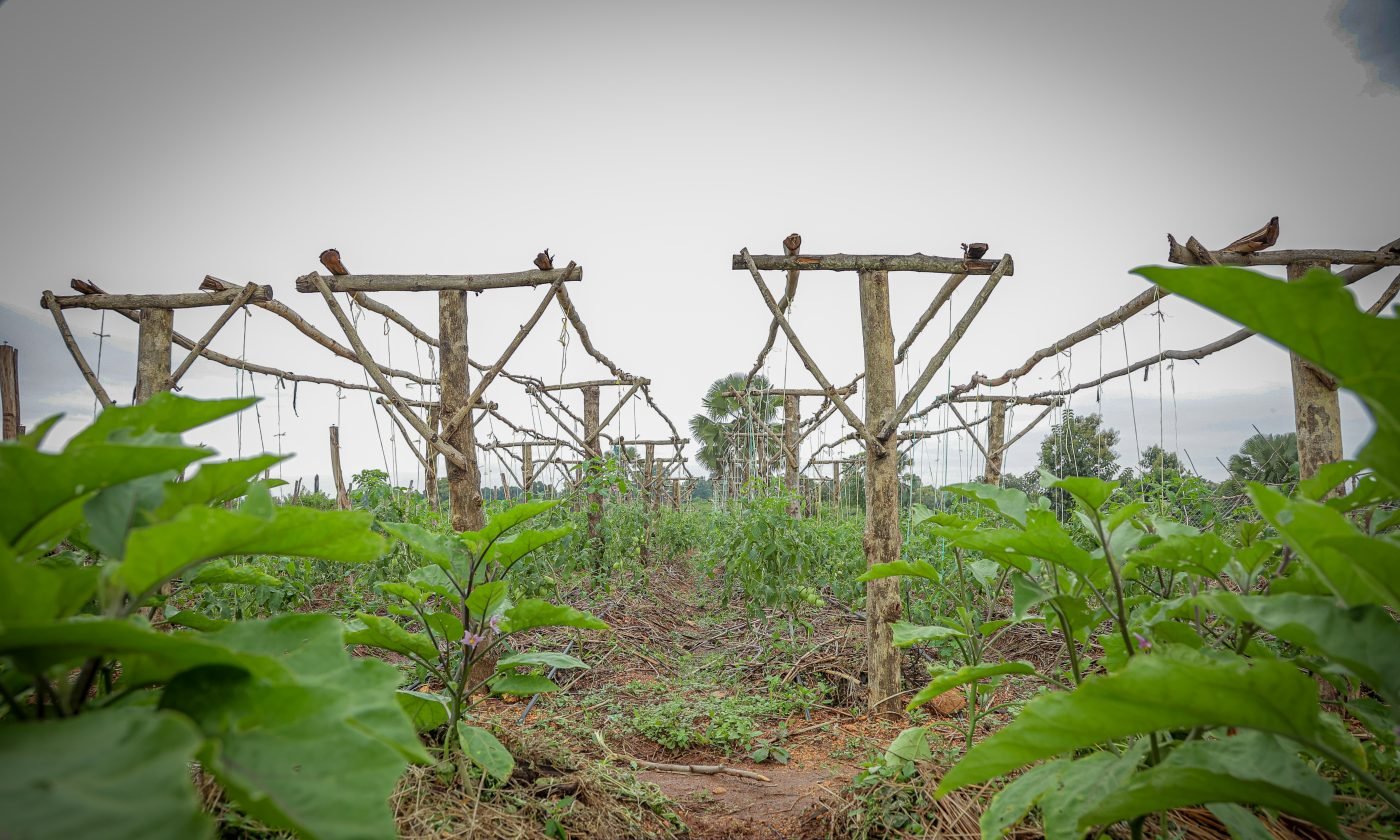
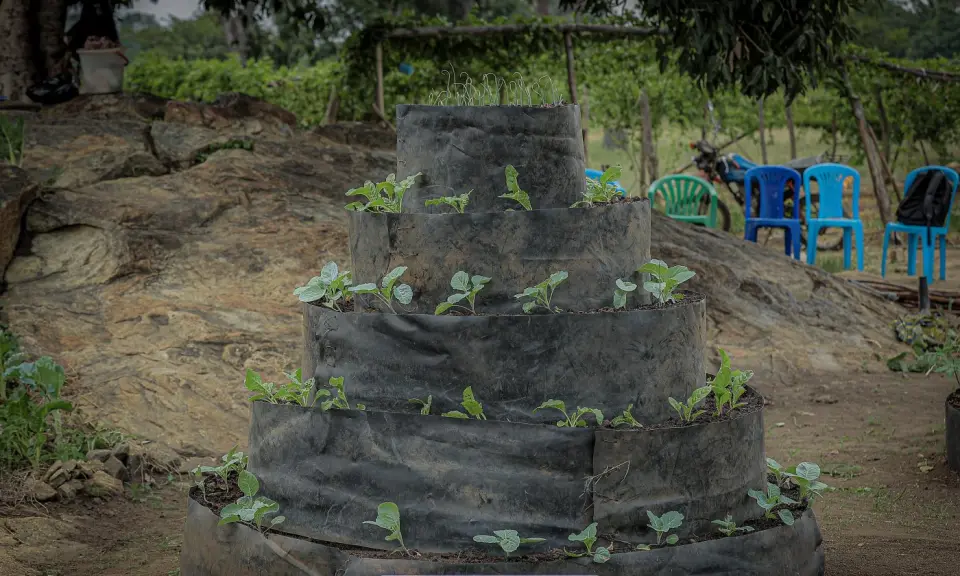
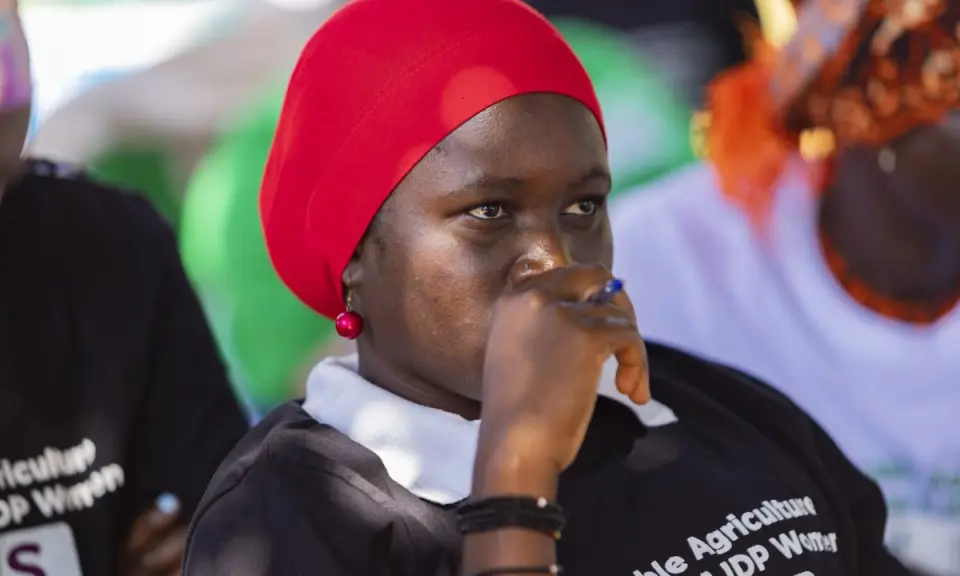
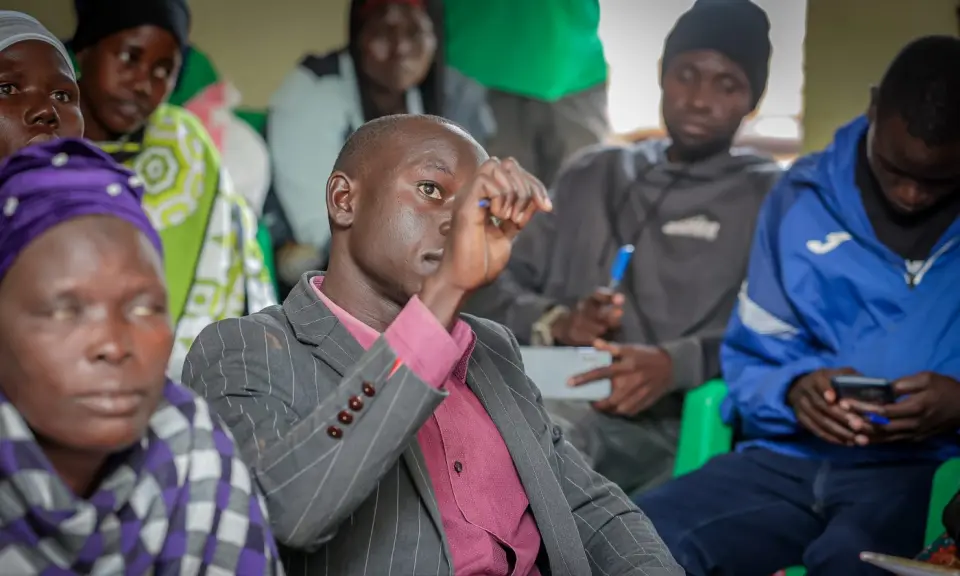
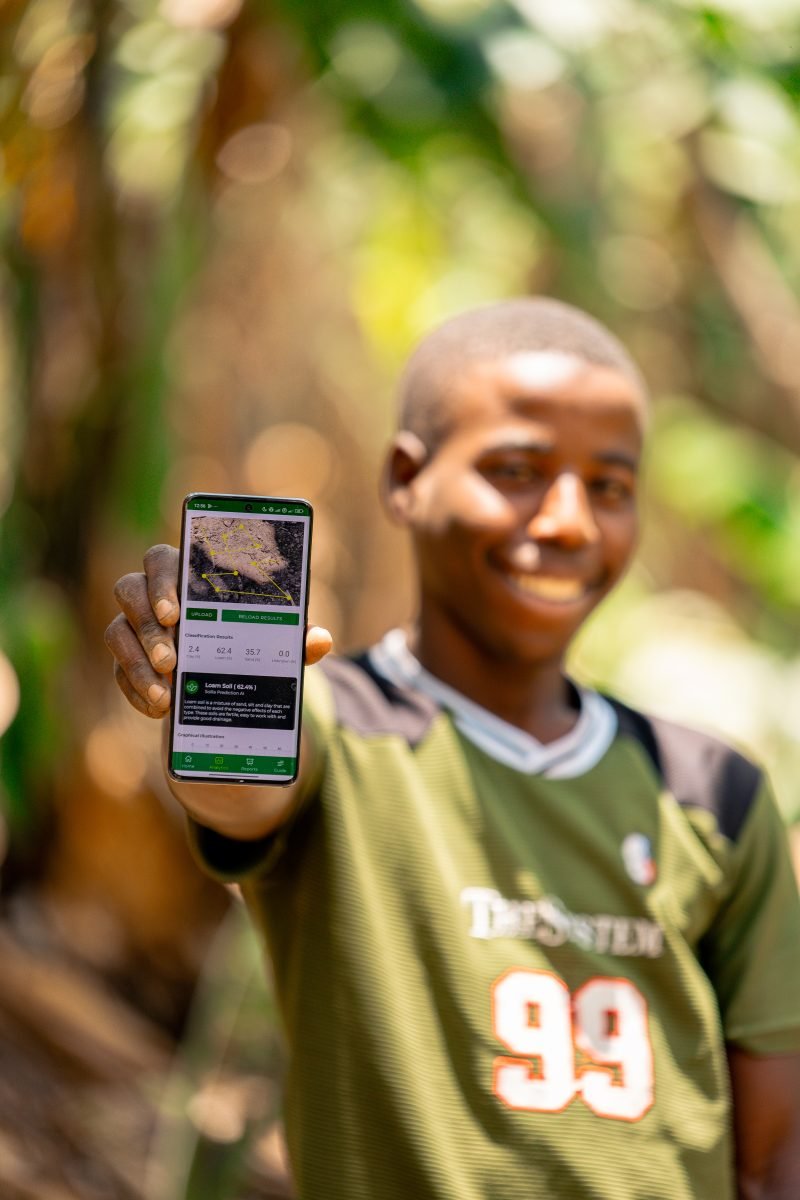
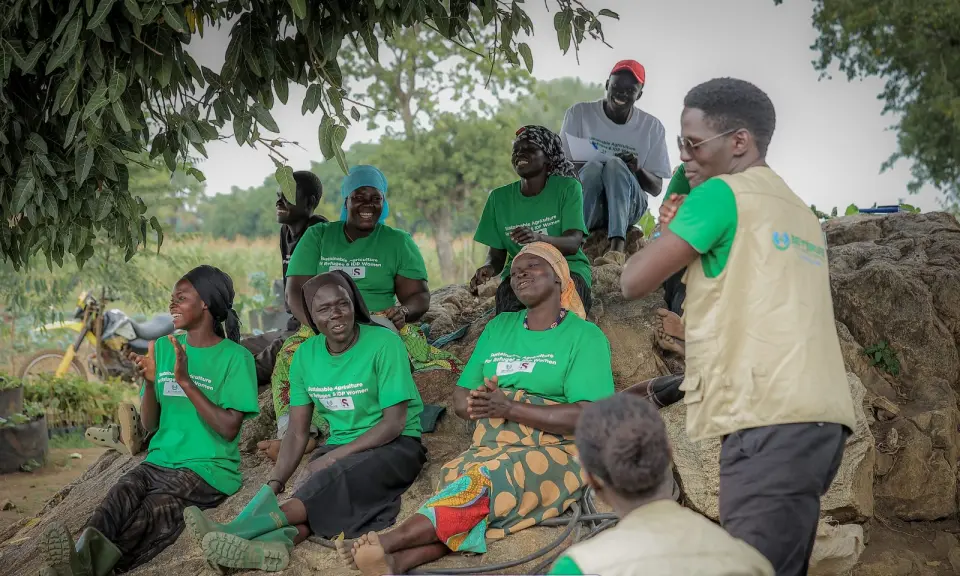
BetterLife worked with refugee, displaced and host-community women through local-language training and gardens where they could see each practice working. The women learnt composting, mulching, sack and box gardening, trellising, drought-tolerant crops, agroforestry and briquette-making. They received seedlings and support to use simple digital tools for soil and market information.
Among the 72 women who completed structured training, knowledge of climate-smart agriculture rose from 22 per cent to 92 per cent. Seventy-two per cent adopted sack or box gardening, 63 per cent took up composting, 54 per cent used mulching and 57 per cent introduced drought-tolerant crops. Participating households reported an average 35 per cent reduction in spending on vegetables as home production improved.
The figures matter, but so did the way the change happened. Women learnt in groups, saw the methods before risking their own resources and could return with questions after trying them at home. Confidence grew alongside knowledge.
Read the Project StoryGreen Leaf Platforms Uganda
In partnership with Farm Radio International
What happens after a radio programme ends?
A woman may hear about a regenerative farming practice and understand it perfectly, yet still be unable to try it. She may not control the land, own a phone or have the materials to risk on an unfamiliar method. She may need to see the practice working nearby before she trusts it with a small harvest.
BetterLife’s partnership with Farm Radio International is designed around that gap between receiving information and acting on it.
Under Green Leaf Platforms Uganda, radio and digital agricultural content is connected to Women’s Action Circles across 12 districts. These circles build on groups women already trust, including savings groups, farmer organisations, cooperatives and community networks.
Women listen, discuss what the information means in their setting, ask questions, visit demonstration plots and test practices together. Peer champions support those with limited access to phones or extension services. Women’s feedback also travels back into the programme, helping shape content around the questions and barriers they are actually facing.
Farm Radio International brings its radio, digital and farmer-learning experience. BetterLife leads the women’s inclusion work on the ground, connecting listening to learning, practice and adoption.
The model grows from a lesson we first saw clearly in Yumbe: women adopt what they can see, and groups often carry change farther than individuals working alone.
Learn About Green Leaf PlatformsBetterLife SPRING
Sustainable Powered Resilient Irrigation for Next Generation Farming
In South Sudan, farming families are expected to plan around rainfall that is becoming harder to predict. When rain stops too early, households lose food and the income they hoped to earn from the season.
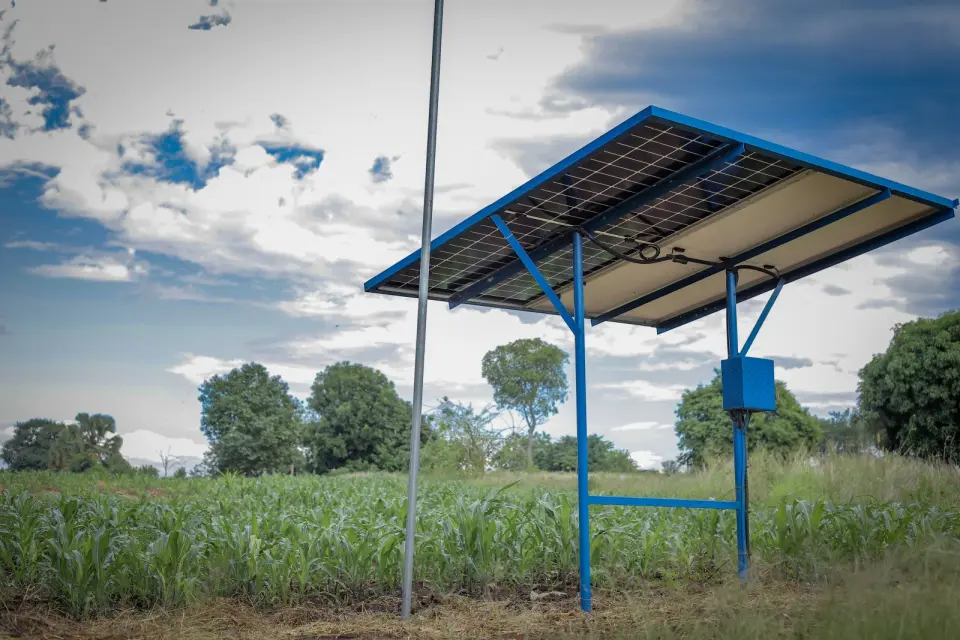
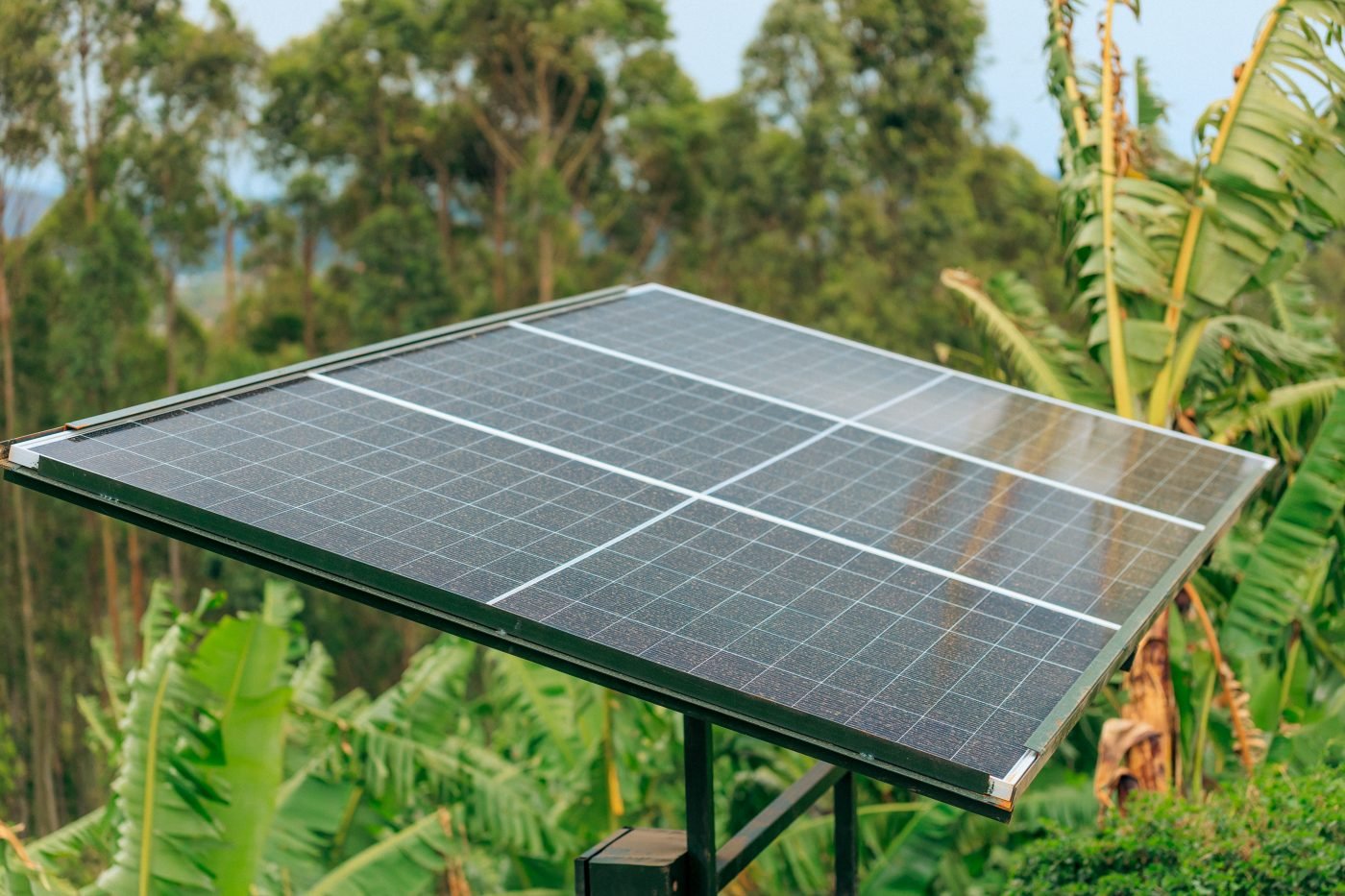
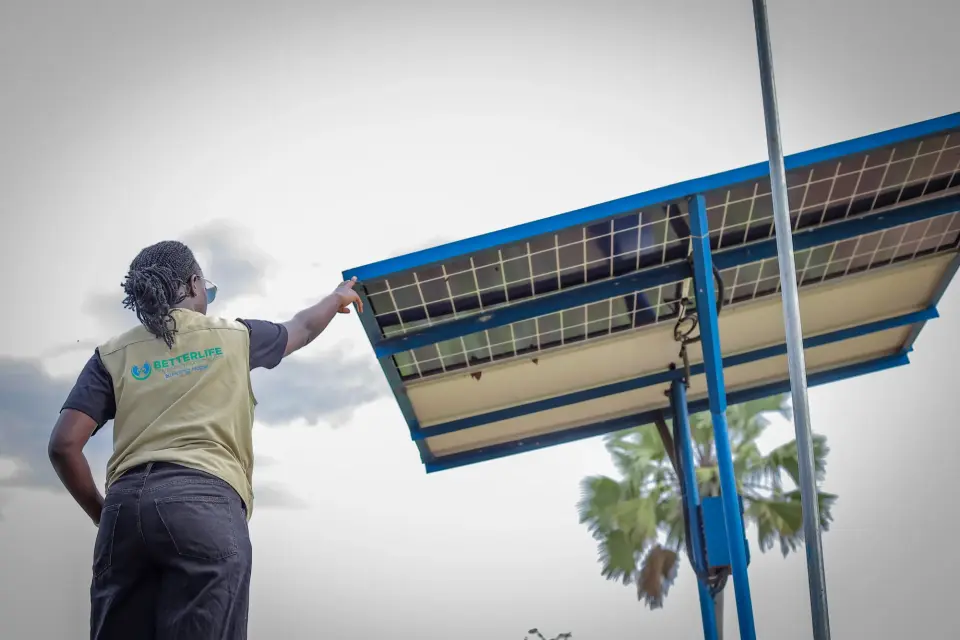
BetterLife SPRING combines solar-powered irrigation with practical training in soil health, crop planning and water management. Farmers, refugees and displaced families can produce more reliably through dry periods without depending on fuel-powered pumping.
The project brings together clean energy, food production and livelihoods. The aim is not simply to install irrigation equipment, but to help communities use it well, maintain it and turn more reliable production into stronger household security.
Explore BetterLife SPRINGBetterLife Agro Tourism Farm
The farm is BetterLife’s working demonstration and market link. Farmers learn through solar-powered irrigation, greenhouse farming, beekeeping, dairy production and livestock rearing, then have a route to supply produce through BetterLife Agro Tourism Farm Ltd.
Discover the Farm